Toy rotation sounds like one of those ideas that should work perfectly… until you try removing a toy your child suddenly “can’t live without” (even though they ignored it for three weeks straight).
That’s where most plans fall apart.
The difference between a toy rotation that works and one that quietly disappears after a week comes down to one thing: how you introduce it. When kids feel involved instead of controlled, the whole system shifts from “things disappearing” to “something new coming.”
Turning Toy Rotation Into a System Kids Enjoy
The goal isn’t just organization—it’s engagement.
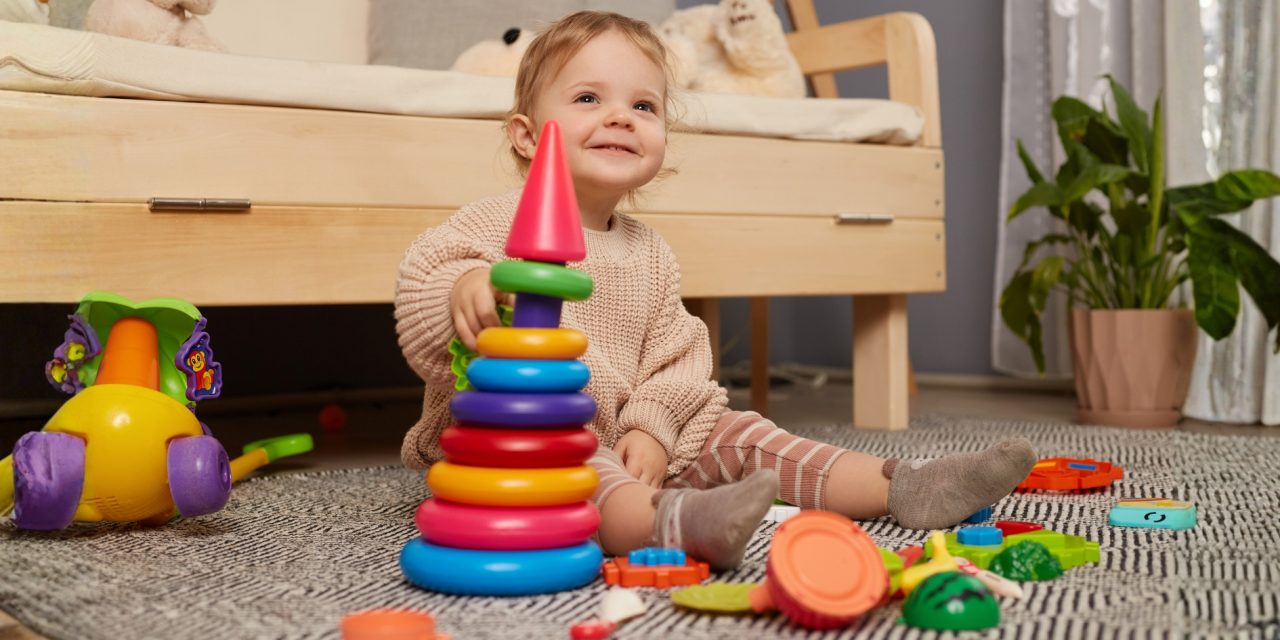
When kids are part of choosing what stays and what gets rotated, they feel a sense of ownership. Instead of resisting the process, they start to look forward to it. A simple weekly swap works well for most families, especially when it becomes part of a routine they can expect.
Clear storage bins help make everything visible and easy to manage. Kids can see what’s available, what’s resting, and what’s coming back next. Adding a simple visual tracker—like a chart or stickers—turns progress into something they can actually celebrate.
This approach naturally reduces clutter while keeping playtime fresh. Fewer toys at once means less overwhelm and more focused, imaginative play.
Getting Kids Involved Without the Struggle
This is where everything either clicks—or completely falls apart.
Turning rotation into a fun activity makes a huge difference. Think of it less like organizing and more like an event. Kids can help choose themes for bins, decorate labels, or even “vote” on which toys come back next.
Small touches go a long way. A surprise reveal of a returning toy suddenly feels exciting instead of routine. Letting kids decorate bins or assign names gives them a sense of control, which reduces resistance almost instantly.
Over time, this builds better habits. Kids start to care for their toys more, understand limits, and even remind you when it’s time to rotate (which feels slightly suspicious, but very helpful).
Conclusion
A successful toy rotation system isn’t about strict rules—it’s about smart involvement.
When kids feel included, the process becomes smoother, play becomes more meaningful, and clutter naturally reduces without constant effort. What starts as a simple organization strategy often turns into something bigger: a more intentional, engaging way for kids to play and explore.
And once it clicks, it tends to stick.
Be honest—if you tried rotating toys today, would your child happily swap things out… or suddenly rediscover every single toy you’re trying to put away?Tell us how it would really go 😄 and get more real-life, actually-workable parenting ideas with Marvelus Kids.