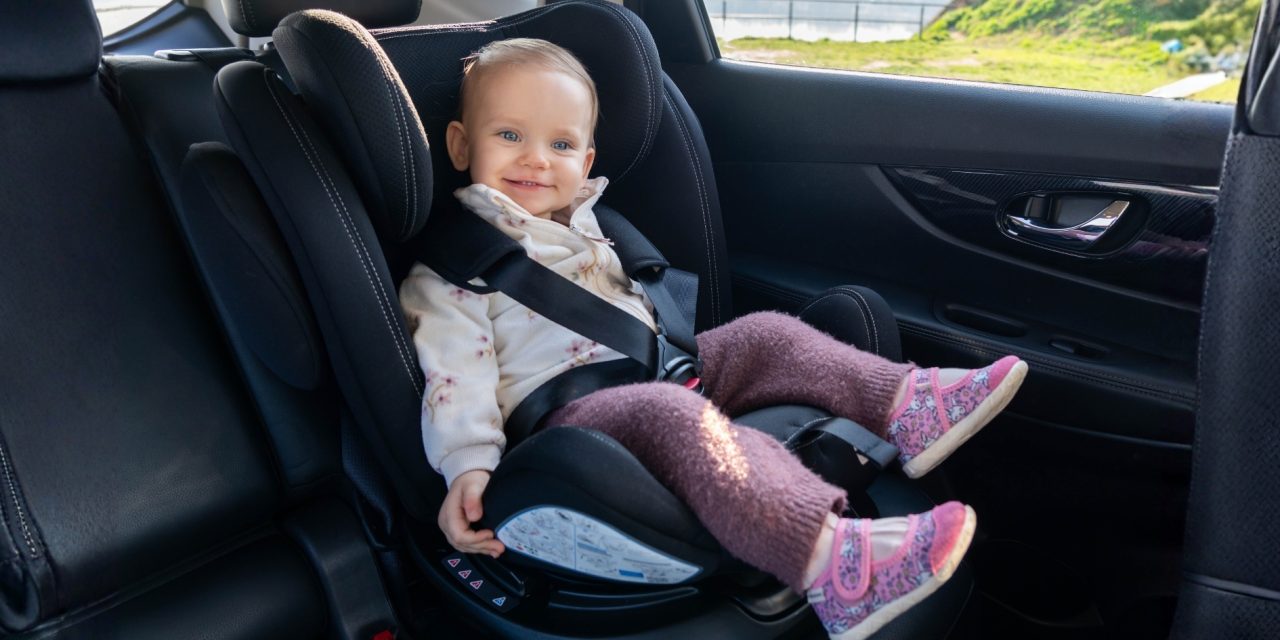
If you’ve ever buckled in for a “quick drive” that turned into a backseat meltdown concert, you’re not alone. Car rides with toddlers can feel like a test of patience, timing, and snack reserves. The good news? Toddlers don’t need screens—or constant entertainment—to stay engaged on the road. They need the right kind of play.
For ages 1–3, car-friendly activities work best when they match developmental milestones like grasping, sorting, and simple problem-solving. When play fits a toddler’s abilities and the reality of a moving car, long drives shift from chaos to calm—sometimes even quiet enough to hear your own thoughts.
Mess-Free Play That Keeps Toddlers Focused
Toddlers learn through repetition and sensory exploration, but car rides demand boundaries, especially when cleanup isn’t an option. Mess-free toys designed for laps, trays, and windows give toddlers freedom without fallout.
Items like Wiki Stix, window clings, and magnetic games stay put while encouraging fine motor control and independent play. Felt boards and lacing cards build coordination without rolling under seats or staining upholstery. Parents consistently report longer engagement when toys are tactile, quiet, and predictable.
The key is containment. If a toy fits within a small lap space and can be reset easily, it’s a win. Reusable options also mean the same kit works for grocery runs, daycare commutes, and long road trips, no constant re-packing required.
Rotating Activities for Attention and Language Growth
Toddlers don’t need variety all at once—they need rotation. Introducing one activity at a time keeps interest high and prevents overstimulation. A simple “busy bag” system lets parents swap toys every 20–30 minutes, aligning with toddler attention spans.
Adding light narration—naming colors, shapes, or actions—boosts language development without turning play into a lesson. Suction toys on windows, soft books, or matching cards invite interaction while allowing toddlers to play independently.
Experts recommend no-screen play during travel when possible, as it supports imagination and self-regulation. When toddlers are given quiet, hands-on options, many naturally settle into focused play—making the ride smoother for everyone.
Conclusion
Car rides don’t have to be endured, they can be managed thoughtfully. With developmentally aligned, mess-free activities, toddlers stay engaged without screens, parents stay calmer, and travel becomes far more predictable. The right toys don’t just distract; they support growth while respecting real-life constraints.
Why does one car ride feel peaceful while the next turns into nonstop fussing—even with the same toys in the backseat? Marvelus Kids explores the small, intentional choices parents make that shape focus, calm, and engagement long before screens enter the picture.