If you’ve ever tried to explain “coding” to a 5-year-old, you’ve probably realized two things very quickly: one, they don’t need a laptop… and two, they will absolutely turn it into a game before you finish your sentence.
That’s actually the whole point.
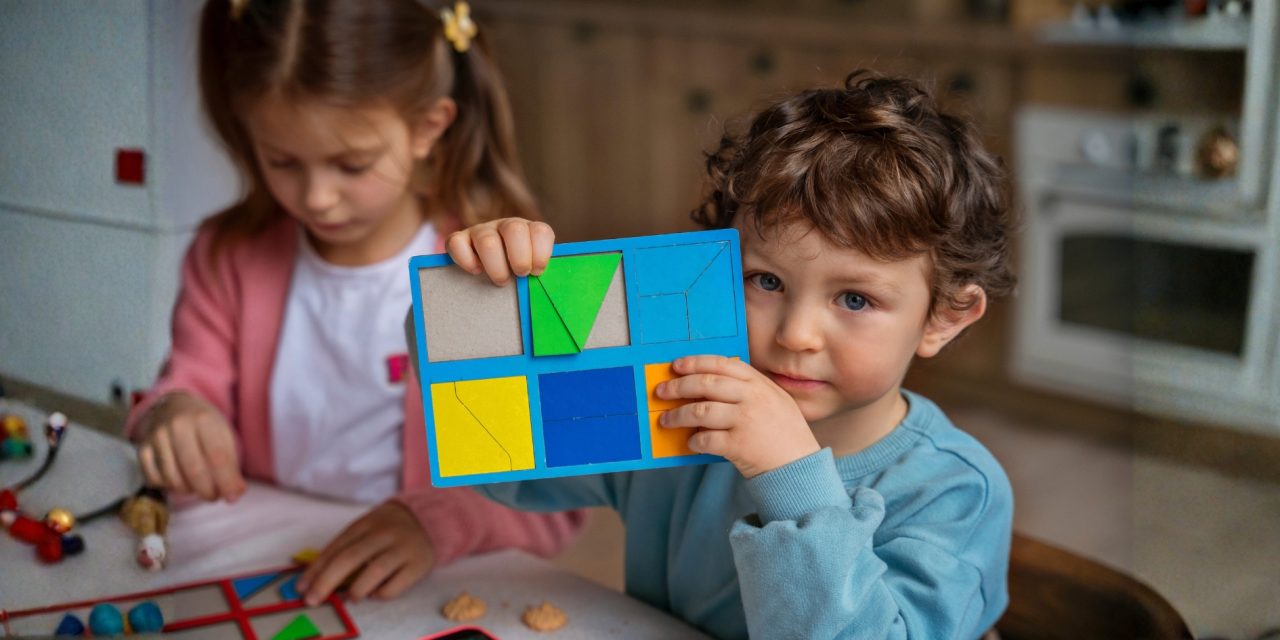
Tech-free coding games take big concepts like patterns, sequences, and logic, and turn them into hands-on play. For younger kids especially, this approach works beautifully. Instead of staring at a screen, they’re moving pieces, spotting patterns, and figuring things out in real time—which is exactly how early computational thinking begins.
Why Unplugged Coding Works So Well
At its core, coding isn’t about typing—it’s about thinking.
When kids learn to recognize patterns, follow steps, repeat actions, and fix mistakes, they’re already building the foundation of coding. Tech-free activities make these ideas tangible. Kids can see and touch what they’re working on, which makes learning feel natural rather than abstract.
This approach also removes pressure. There’s no “right screen” to click or app to navigate—just simple materials like blocks, cards, or everyday objects. That freedom encourages curiosity, experimentation, and confidence.
And the best part? It feels like play the entire time.
Pattern Recognition Games That Teach Coding Basics
One of the easiest ways to introduce coding concepts is through pattern recognition.
Start simple with repeating patterns like ABAB using colored blocks or beads. Ask kids what comes next, and let them build it out. It’s a small step, but it trains their brain to recognize sequences—an essential coding skill.
From there, you can gradually increase the challenge. Growing patterns (1 block, then 2, then 3) introduce progression, while loop patterns help kids identify repetition over time. Adding simple rules—like “if it’s red, skip the next one”—introduces early logic and decision-making.
Here are a few easy examples to try:
- ABAB Pattern: Alternate colors and let kids continue the sequence.
- Growing Pattern: Build towers that increase step by step and predict what comes next.
- Loop Detection: Spot repeating items in a longer sequence.
- Simple Conditions: Add rules that change what happens next.
- Basic Algorithms: Create step-by-step instructions to sort or arrange objects.
What makes these activities powerful is how quickly kids engage. They start predicting, testing, and even creating their own patterns—often turning the activity into a challenge for you instead.
Conclusion
Tech-free coding games prove that learning complex skills doesn’t require complex tools.
By turning abstract ideas into simple, hands-on activities, kids develop problem-solving skills, logical thinking, and confidence—all while having fun. It’s a reminder that sometimes the most effective learning happens away from screens, with nothing more than a few objects and a curious mind.
And once kids realize they can “figure things out,” they rarely want to stop.
If you asked your child “what comes next?” in a simple pattern, do you think they’d get it right… or confidently invent their own answer and defend it like it’s correct?Tell us what actually happens—we know it gets interesting fast 😄—and keep the playful learning going with Marvelus Kids.