Getting a child excited about a learning routine can sometimes feel a bit like negotiating with a tiny CEO. They’re happy to discuss terms, request amendments, and occasionally reject the entire proposal without explanation.
The good news is that successful learning routines are not built on marathon study sessions. Children tend to respond better to short, predictable learning periods that feel manageable and rewarding. With the right structure, a dedicated learning space and a few simple habits can help build focus, independence, and self-regulation over time.
1. Create a Simple Structure Kids Can Follow
One of the biggest mistakes parents make is assuming longer learning sessions produce better results. In reality, short and consistent sessions often work far better for maintaining attention and building lasting habits.
Consider using 20- to 45-minute learning blocks, depending on your child’s age and attention span. Many families find that shorter Pomodoro-style sessions help children stay engaged without feeling overwhelmed.
A visual schedule can make the routine even easier to follow. Display simple icons for activities such as reading, phonics practice, puzzles, or math games on a magnetic board, wall display, or learning corner. When children can see what comes next, they are often more willing to participate and work independently.
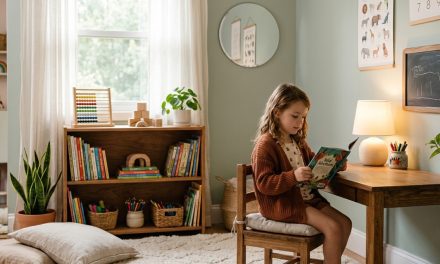
Comfort matters too. A low table, cushions, child-sized furniture, and a clutter-free environment can help create a space that feels inviting rather than demanding.
2. Use Rituals and Rewards to Turn Learning Into a Habit
Children thrive on consistency, and small rituals can make daily learning feel predictable and enjoyable. A simple “learning box” ritual, where you open learning materials together at the same time each day, can build anticipation and excitement.
Transition rituals are equally important. A cleanup song before breaks or at the end of a session helps signal that one activity is ending and another is beginning. These small cues reduce resistance and make transitions smoother.
Visual reward systems can also encourage participation. Sticker charts, habit trackers, and progress boards give children a visible record of their efforts. A simple three-sticker goal can provide enough motivation without making rewards the primary focus.
As routines become established, parents can gradually reduce reminders and encouragement. This fade-out approach helps children take greater ownership of their learning habits.
3. Keep the Routine Fresh and Adapt It to Your Child’s Needs
Even the best routine can become stale if every day looks exactly the same. Rotating activities helps maintain interest while exposing children to different types of learning experiences.
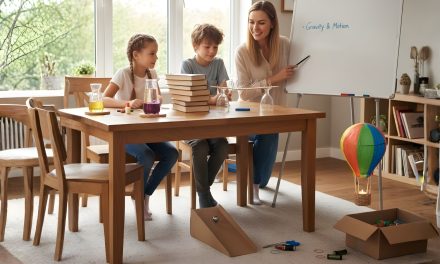
One day might focus on puzzles and problem-solving activities, while another includes sensory bins, art projects, counting games, or reading challenges. Variety keeps the learning environment engaging without disrupting the routine itself.
A weekly family review can also be helpful. Celebrate successes, discuss challenges, and make small adjustments based on what is working. These conversations help children feel involved in the process and invested in their progress.
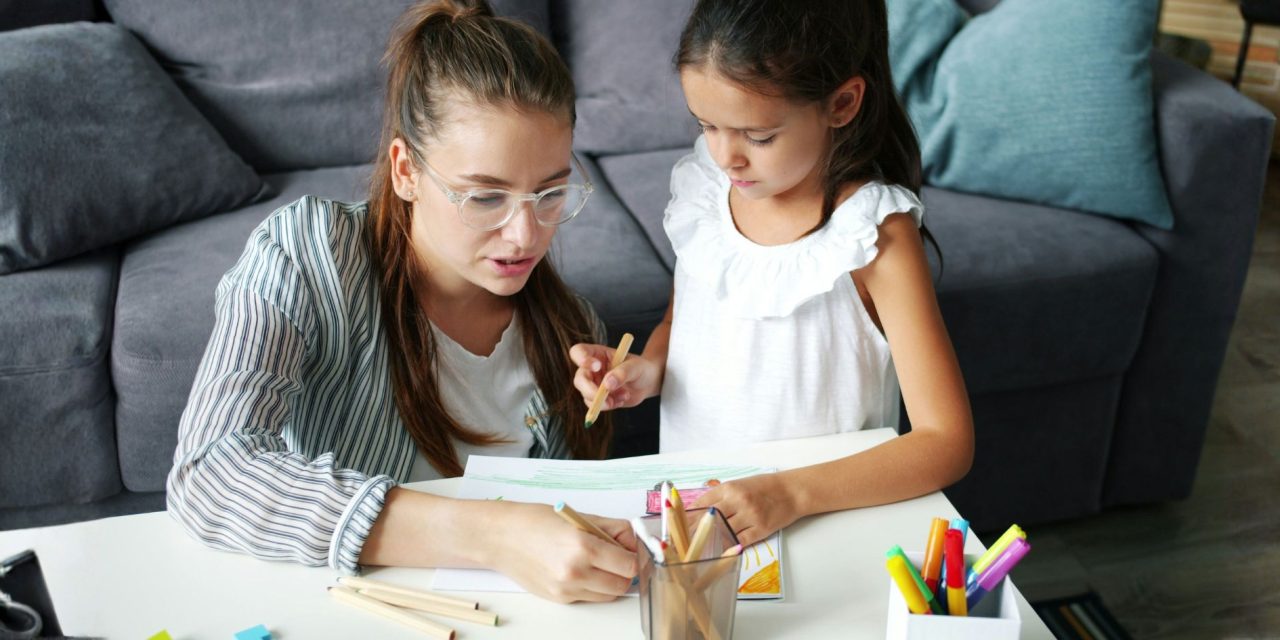
If resistance appears, offer choices rather than demands. Allowing children to choose between an art activity and a science activity, for example, can increase cooperation while preserving the routine.
For families with limited space, a foldable desk, vertical storage solutions, or multifunctional furniture can create an effective learning area without requiring a dedicated room. Children who struggle with focus may also benefit from fidget tools, emotion cards, or other supports that help them stay engaged.
Conclusion
A successful learning routine is not about creating the perfect classroom at home. It is about establishing consistent habits that make learning feel approachable, enjoyable, and achievable every day.
By combining simple schedules, meaningful rituals, and flexible activities, parents can create routines that support focus, independence, and long-term learning success. Small daily habits often produce bigger results than occasional bursts of effort.
What’s one simple change that could make your child’s daily learning routine easier to follow this week?
Share your favorite learning habit in the comments, and keep discovering practical ways to make home learning more engaging with Marvelus Kids!