Not all learning corners are created equal. Some look beautiful for a day… then slowly turn into a dumping ground for books, toys, and “I’ll clean it later” energy. Others quietly become a child’s go-to spot—the place where reading happens, curiosity grows, and focus starts to feel natural.
The difference usually comes down to the environment. Lighting, color, and small sensory details shape how a child feels in a space. Get those right, and a simple corner can turn into a powerful learning zone that supports focus without feeling forced.
Creating an Inspiring Environment
A strong learning corner does not need to be complicated—it just needs to feel right. The goal is to create a space that invites attention while staying calm enough for longer focus sessions.
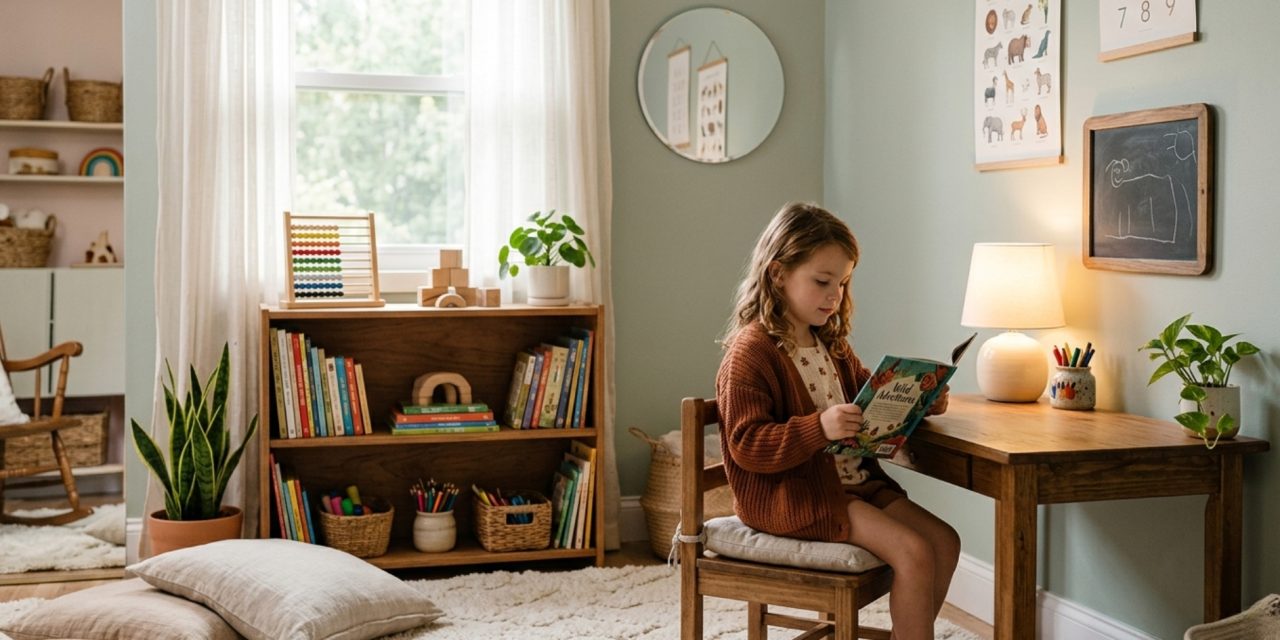
Warm lighting plays a bigger role than most people expect. Using around 3000K LED lighting creates a cozy atmosphere that reduces harshness and helps kids settle into tasks more easily. Pair that with soft tones like sage or pastel shades, and the space instantly feels less overwhelming.
Adding greenery takes things a step further. Simple plants like pothos bring a natural element into the space, making it feel more relaxed and alive. Placed near a reading corner or desk, they subtly encourage kids to stay engaged longer.
Texture also matters. Soft rugs, wooden surfaces, or fabric panels add warmth and break the “classroom” feel. When a space feels comfortable, kids are far more likely to return to it without being told.
Lighting and Decor Tips That Keep the Space Fresh
The most effective setups use layered lighting instead of relying on a single source. This creates flexibility depending on the activity—whether it is focused reading or relaxed creative time.
A simple three-layer approach works well:
- Task lighting (around 5000K) for reading or writing
- Ambient lighting (2700K–3000K) for a calm overall glow
- Natural light support using mirrors to reflect daylight
Portable options like the Philips Hue Go Portable Table Lamp make it easy to adjust lighting without committing to a fixed setup. This flexibility is especially useful in smaller rooms or shared spaces.
Decor should stay dynamic but controlled. Rotating a small set of posters or visuals monthly keeps the space interesting without cluttering it. Peel-and-stick wall designs—like soft geometric patterns or chalkboard panels—add personality while staying easy to update.
Plants can also be part of the design system, not just decoration. Low-maintenance options like snake plants, ZZ plants, or spider plants require minimal care but add a calming presence.
Here is a quick guide to how colors influence the space:
| Color | Effect |
| Blue | Promotes calm and reduces stress |
| Green | Enhances focus and creativity |
| Sage | Soothing for longer sessions |
| Pastel Yellow | Boosts attention and optimism |
Making the Space Work Long-Term
A learning corner should evolve with your child, not stay frozen in one setup. Small updates—like rotating materials, adjusting lighting, or swapping decor—keep the space feeling new without starting from scratch.
Keeping the area clutter-free is just as important as the design itself. Using foldable desks, wall-mounted shelves, or compact storage helps maintain a clean environment that supports focus instead of distracting from it.
The real goal is consistency. When the space feels inviting and easy to use, kids naturally build routines around it. Over time, that corner becomes more than just a setup—it becomes part of how they learn.
Wrap Up
An effective learning corner is not about perfection—it is about intention. The right mix of lighting, color, and sensory elements creates a space where focus feels natural and learning feels enjoyable.
When done right, even the smallest corner can become a powerful environment for curiosity, independence, and daily growth.
What would make your child actually want to sit in their learning corner—comfort, color, or a bit of creative freedom?
Let us know in the comments, and keep building smarter, inspiring spaces for kids only at Marvelus Kids!