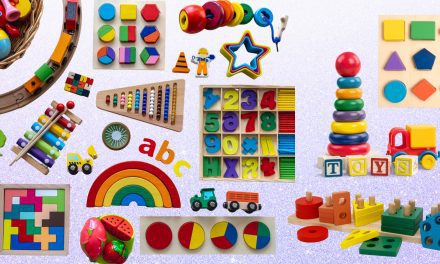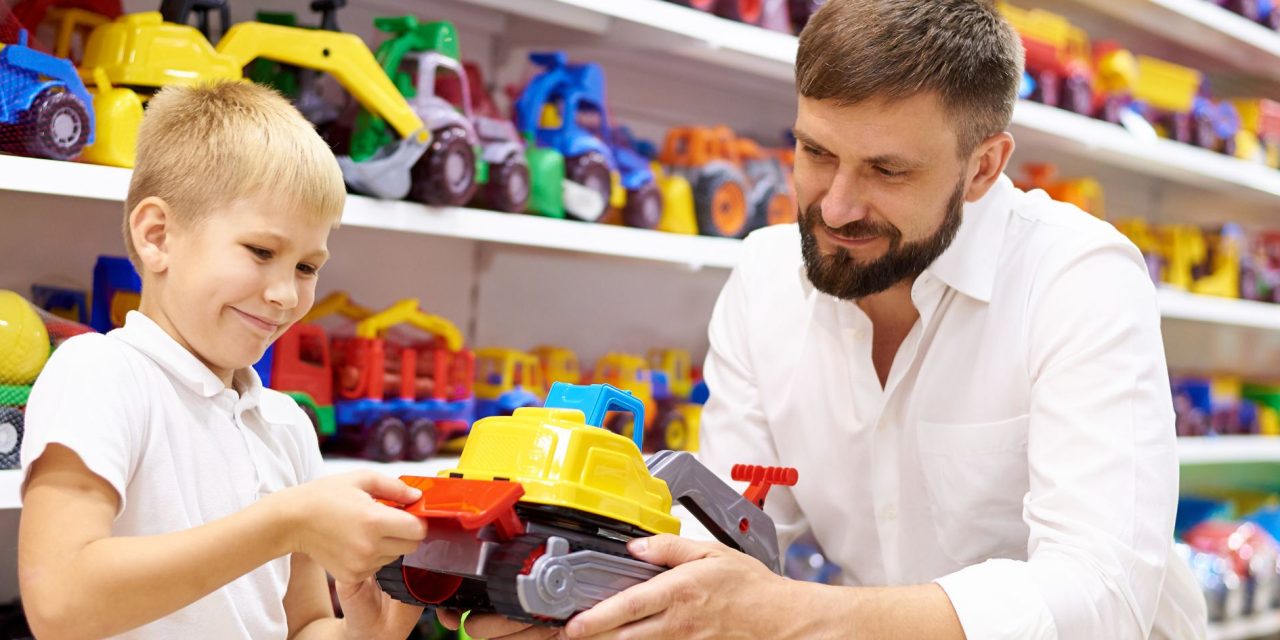
Not all toys deserve a spot in your home—especially when you’re intentionally building a screen-free environment. Some toys look exciting for five minutes, then end up forgotten in a corner. Others quietly become daily favorites for years. The difference usually comes down to quality, safety, durability, and how well a toy supports real play.
When buying screen-free toys, smart parents look beyond flashy packaging and trendy marketing. The goal is simple: choose toys that encourage creativity, hands-on learning, problem-solving, and independent play. The best screen-free toys do more than entertain—they help children build important life skills while having fun.
This guide breaks down exactly what to look for before spending money on toys, from safety certifications to long-term value. If you want toys that truly earn their place in your home, this checklist will help.
Decision Matrix for Choosing Screen-Free Toys
A simple decision matrix makes it easier to compare toys before purchasing. Instead of buying based on appearance alone, rate each toy using the criteria below. This works especially well for screen-free staples like building blocks, puzzles, magnetic tiles, and pretend-play sets.
The strongest toys usually score well across safety, durability, longevity, educational value, and cost efficiency. Open-ended toys often perform best because they grow with your child and stay engaging across multiple developmental stages.
| Criteria | Description | Ideal Target | Score (1–5) |
| Safety | ASTM F963, CPSIA certified | Full compliance, no small parts | |
| Durability | Survives drops and daily use | Withstands rough play | |
| Longevity | Years of use | Grows with child | |
| Educational Value | Supports multiple skills | Cognitive + motor development | |
| Cost/Play Hour | Price divided by usage | $0.10/hour or less |
For example, wooden blocks usually score highly because they support creativity, fine motor skills, and problem-solving while lasting for years. A shape sorter may score well for toddlers, while magnetic tiles often stay relevant from preschool into early elementary years.
Using this table helps you make more thoughtful purchases and avoid toys that only deliver short-term excitement.
Essential Checklist + Long-Term Value
Before purchasing any screen-free toy, run through this five-point checklist. It helps ensure the toy is safe, durable, and worth the investment.
1. Third-party safety testing
Look for toys tested for harmful materials like lead and phthalates.
2. Smooth, child-safe edges
Rounded edges reduce the risk of scratches and cuts, especially for younger kids.
3. Non-toxic materials
Choose toys made with child-safe paints, inks, and BPA-free materials.
4. Strong construction
A good toy should survive drops, rough play, and everyday use.
5. Open-ended design
The best screen-free toys encourage imagination rather than limiting play to one function.
Open-ended toys consistently offer the best long-term value because they adapt to different ages and stages. Building toys, pretend-play sets, sensory tools, and creative kits tend to keep children engaged far longer than single-purpose toys.
To understand value more clearly, it helps to calculate price-per-year or even price-per-hour of use.
Price-Per-Year for Popular Screen-Free Toys
The table below assumes three years of regular use with roughly one hour of play per day.
| Toy | Avg Cost | Play Hours/Year | Price/Year | Price/Hour |
| Wooden Building Blocks | $50 | 365 | $17 | $0.05 |
| Magnetic Tiles (100 pcs) | $80 | 365 | $27 | $0.07 |
| Shape Sorter | $25 | 365 | $8 | $0.02 |
| Marble Run Set | $40 | 365 | $13 | $0.04 |
| Playdough Kit | $20 | 365 | $7 | $0.02 |
| Wooden Puzzles (Set) | $35 | 365 | $12 | $0.03 |
| Farm Animal Figures | $30 | 365 | $10 | $0.03 |
| Threading Beads | $15 | 365 | $5 | $0.01 |
When you look at the numbers this way, many high-quality toys are surprisingly affordable over time. A toy that costs more upfront may actually provide better value if it stays in rotation for years.
Conclusion
Choosing screen-free toys doesn’t have to feel overwhelming. The best purchases are usually the simplest ones—safe, durable, open-ended toys that encourage creativity, focus, and hands-on learning.
Instead of chasing every new trend, focus on toys that support real play and meaningful development. Quality toys don’t just keep kids busy—they help build imagination, confidence, and important life skills.
What screen-free toy has been the biggest hit in your home—and was it the one you expected?
For more smart parenting tips, toy guides, and screen-free activity ideas, keep exploring with Marvelus Kids.