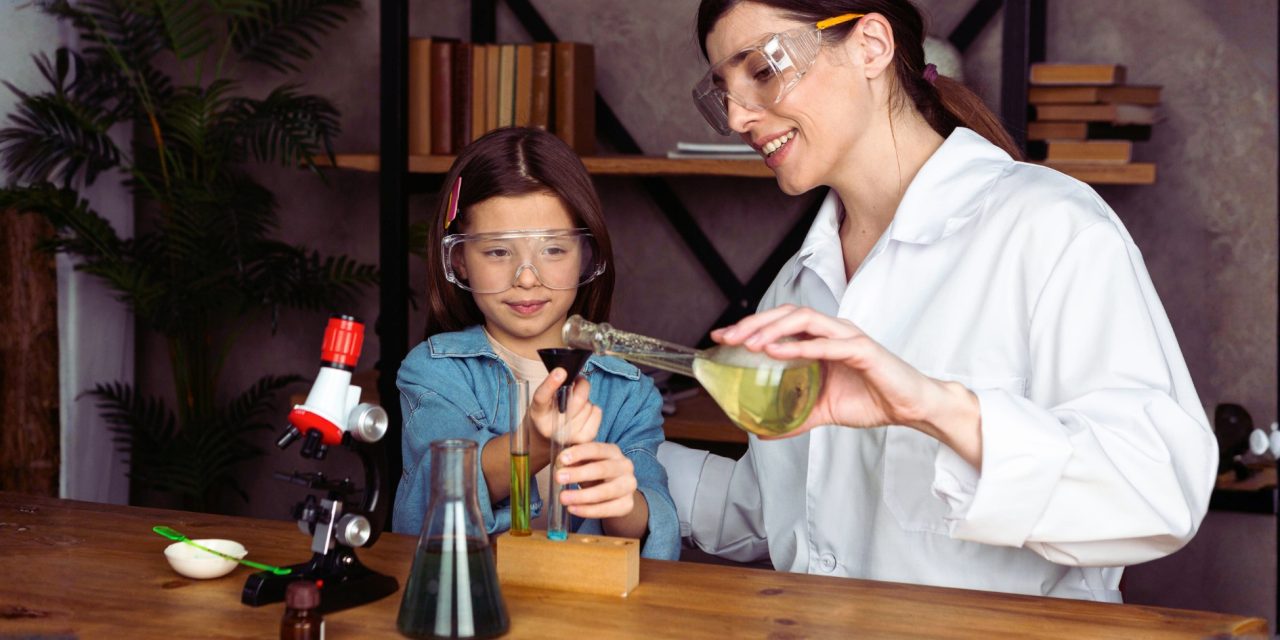
Science experiments have a magical way of making kids feel like mini–Einsteins and parents feel… slightly concerned about what’s bubbling in the corner. That mix of curiosity and mild chaos is exactly why science is so powerful for young learners—it sparks imagination, builds real skills, and turns simple household materials into gateways for discovery.
But behind every joyful eruption of baking-soda lava is a set of safety habits that keep the fun on track. When children learn how to handle materials properly, follow simple rules, and understand why precautions matter, they don’t just stay safe. They become more confident experimenters who think, question, and explore with purpose. A little structure goes a long way, helping every fizz, pop, and reaction turn into learning that lasts.
Supervision Guidelines
Supervision sets the tone for safe exploration, especially when chemistry kits enter the picture. An adult should always be nearby, ready to guide, explain, and stop a reaction that suddenly looks a bit too enthusiastic. A ratio of one adult for every three to five kids works well, keeping everyone engaged and protected.
Before starting any experiment, review essential rules like wearing goggles, identifying materials, and understanding emergency steps. A simple volcano activity with vinegar and baking soda becomes much safer when kids learn why the mixture expands and how to manage spills. Setting boundaries also matters; experiments belong far from kitchens and appliances. Regular check-ins encourage curiosity while reinforcing predictable, safe routines.
Proper Use of Materials
Teaching kids how to handle materials correctly boosts both safety and learning outcomes. Start with label-reading lessons that explain symbols such as “flammable” and “corrosive,” helping children connect warnings with real-world meaning. This builds early scientific literacy and encourages mindful behavior.
Discussing each component in a kit strengthens understanding and confidence. For instance, explaining how vinegar and baking soda interact prepares them for what they’ll see during a reaction. Then offer hands-on practice under supervision so they can explore textures, smells, and reactions while following core safety steps. This approach builds responsible habits that last beyond any single activity.
Encouraging a Lifelong Love for Science
A safe environment doesn’t limit excitement—it amplifies it by helping kids explore with confidence. When children experiment without fear, curiosity grows naturally, leading them toward deeper problem-solving and discovery.
Science kits like the Thimble Electronics Kit help kids combine coding with circuit design, showing how creativity and engineering work together. Snap Circuits Classic offers another strong entry point, letting kids build electronic systems with satisfying snap-together pieces. When parents and educators choose appropriate kits, they create opportunities that shape future thinkers and innovators.
Conclusion
Safety is the foundation that allows science play to stay joyful, meaningful, and productive. With consistent supervision, smart material use, and thoughtful kit choices, kids can explore bold ideas without unnecessary risks. These habits nurture independence while giving young learners a safe place to make mistakes, ask questions, and discover just how exciting science can be.
Which science activity has sparked the biggest “wow” moment in your home? Explore more safe, wonder-filled learning ideas at Marvelus Kids, where curiosity and confidence always go hand in hand.