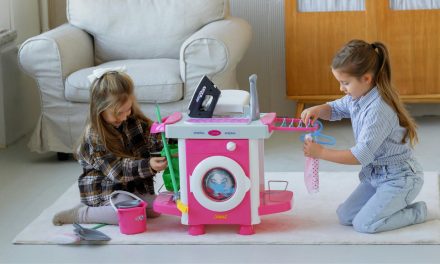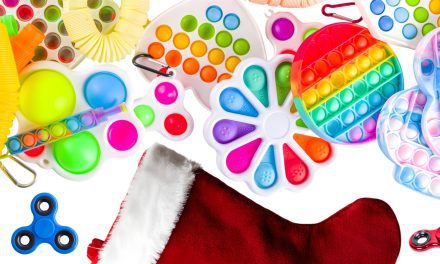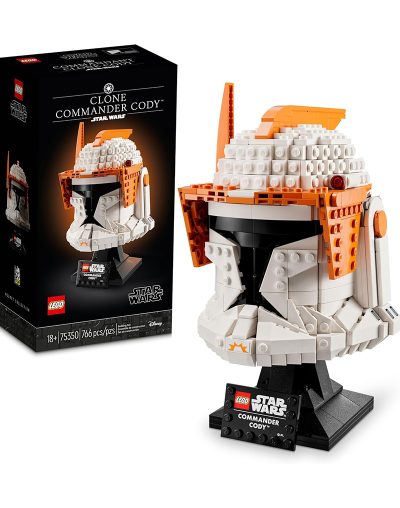
Some toys get played with once and quietly retire to a corner… others somehow end up everywhere—on the floor, the couch, even places no toy should logically reach. That difference isn’t random.
Kids are surprisingly selective about what they return to, and the toys that win their attention usually tap into a few powerful psychological triggers. When a toy feels rewarding, interactive, and just challenging enough, it stops being “just a toy” and becomes something they genuinely want to engage with.
At that point, you’re not reminding them to play—they’re reminding you.
Why Certain Toys Keep Kids Coming Back
The most engaging toys share one key trait: they don’t run out of possibilities.
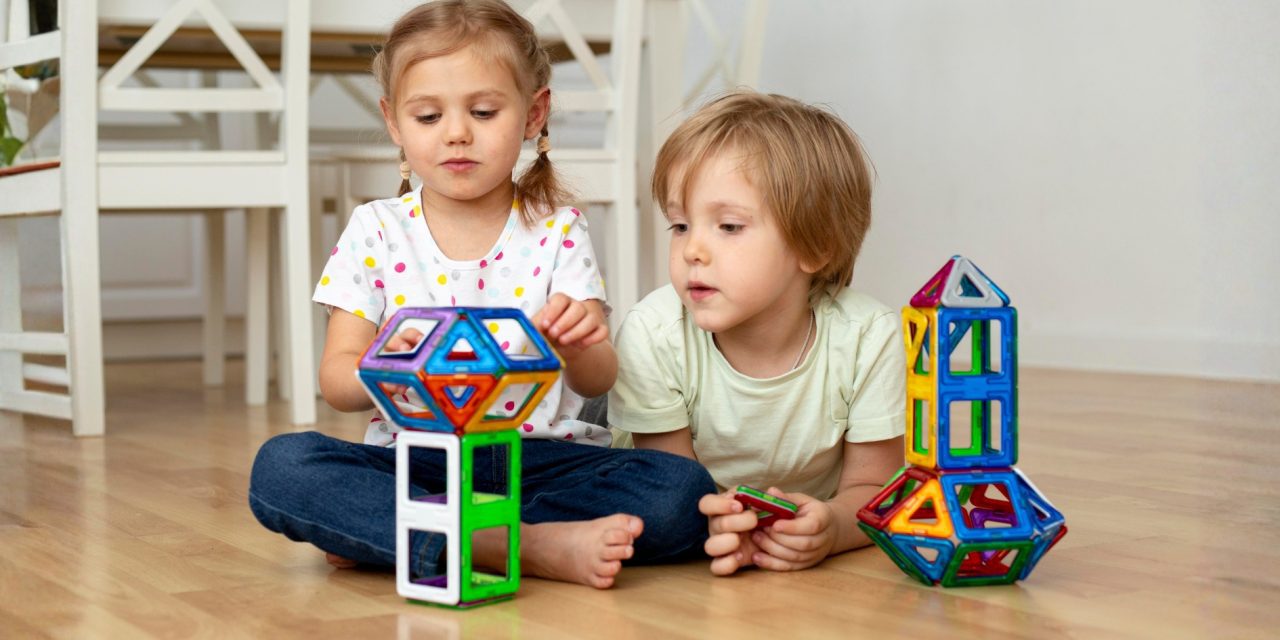
Open-ended toys like building blocks or magnetic tiles allow children to experiment freely. One day it’s a tower, the next it’s a bridge, and somehow by day three it’s an entire imaginary world. That flexibility keeps the experience fresh, which naturally encourages repeat play.
At the same time, these toys quietly build real skills. As children test ideas and adjust their approach, they develop problem-solving abilities and spatial awareness without even realizing it. The learning happens in the background, while the fun stays front and center.
Multi-sensory feedback adds another layer. Whether it’s the soft resistance of playdough, the satisfying click of pieces fitting together, or the texture of a puzzle, these small physical responses make the experience more engaging—and more memorable.
The Design Triggers That Drive Engagement
Behind every toy that “just works,” there are a few consistent design principles.
First is the balance of challenge. The best toys hit that sweet spot—not too easy, not too difficult. This keeps children curious and motivated, encouraging them to keep trying rather than giving up or losing interest.
Next is visible progress. Kids are naturally drawn to outcomes they can see—stacking higher, completing a shape, or building something recognizable. These small wins create a sense of achievement that fuels continued play.
Variety also matters. Toys that offer multiple ways to interact—building, rearranging, storytelling—stay interesting longer. They grow with the child, adapting to different moods and ideas instead of becoming repetitive.
Finally, imagination plays a huge role. Toys that allow children to create stories or assign meaning turn play into something personal. And once a toy becomes part of their imagination, it’s much harder to replace.
Conclusion
Irresistible toys don’t rely on noise or complexity—they rely on connection.
By combining challenge, feedback, creativity, and a sense of progress, they create experiences that feel rewarding every time. That’s what keeps children coming back, and that’s where real development happens—naturally, consistently, and with genuine enjoyment.
In the end, the best toys aren’t the ones that do the most—they’re the ones that invite children to do more.
What’s one toy you’ve seen completely take over playtime—and what do you think makes it so engaging?Let us know in the comments and keep discovering what truly makes play meaningful with Marvelus Kids.