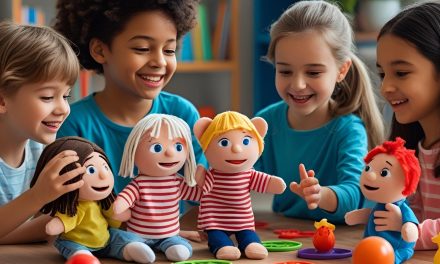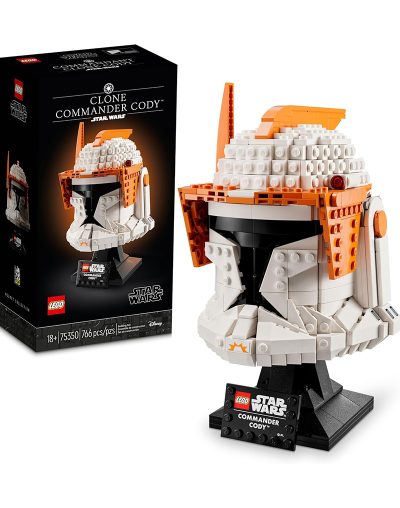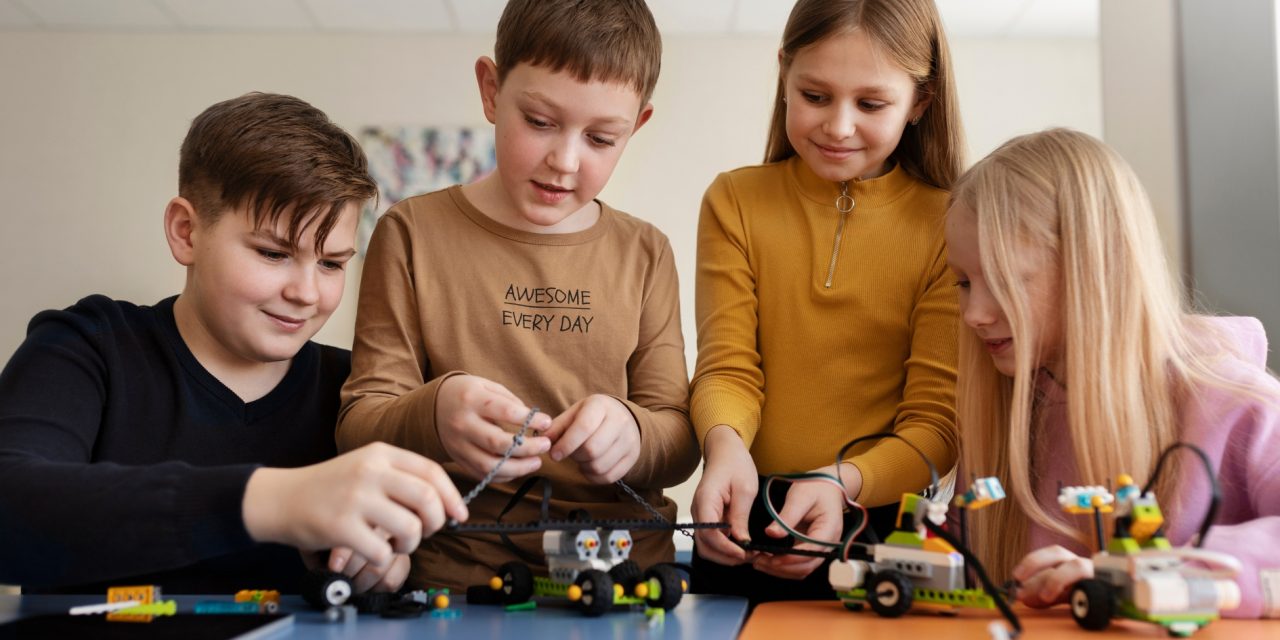
From coding toys that introduce logic early, to role-playing sets that spark imagination, interactive games that respond in real time, and science kits that turn curiosity into discovery—it’s clear that educational play today is far more than simple entertainment.
Across these different types, one pattern stands out: the best toys don’t just keep children engaged, they quietly build skills beneath the surface. Whether it’s problem-solving, creativity, or confidence, each category contributes something unique—showing that meaningful play comes in many forms, not just one “perfect” toy.
How Educational Toys Build Real-World Skills
Well-designed educational toys go beyond entertainment by developing skills that children carry into everyday life.
Simple tools like building blocks help strengthen spatial awareness and logical thinking. As children stack, balance, and experiment, they begin to understand structure and cause-and-effect without needing formal instruction. In the same way, puzzles encourage patience and perseverance while improving fine motor skills and problem-solving ability.
More advanced options, like coding toys or science kits, introduce structured thinking and curiosity-driven exploration. These experiences help children connect ideas, ask questions, and experiment—skills that extend far beyond playtime.
What makes these toys effective is balance. They challenge just enough to encourage growth without overwhelming, helping children build confidence as they learn.
The Role of Parents in Meaningful Play
Even the most thoughtfully designed toy becomes more powerful with the right kind of support.
Parental involvement turns play into a shared experience, reinforcing both learning and connection. Sitting with a child as they work through a challenge—whether it’s solving a puzzle or figuring out how something works—teaches persistence, patience, and problem-solving in real time.
It also builds emotional confidence. Children who feel supported are more willing to try, fail, and try again, which is where real growth happens.
The key isn’t doing more—it’s being present. Even short, intentional moments during play can turn everyday activities into meaningful learning experiences.
Conclusion
Looking across the different types of educational toys, one thing becomes clear: there’s no single path to learning.
Whether through logic, creativity, interaction, or exploration, each form of play contributes to a child’s growth in its own way. What matters most is not just the toy itself, but how it’s used—and the environment in which that play happens.
When thoughtful choices meet active involvement, play becomes more than just fun. It becomes a foundation for lifelong learning, curiosity, and confidence.
Which type of educational toy do you think makes the biggest impact—creative, interactive, or skill-based?Let us know in the comments and keep exploring smarter, more meaningful play with Marvelus Kids.