Raising emotionally intelligent kids is a bit like teaching cats to swim—it can be done, but you’ll need creativity, patience, and probably some washable markers.
Thankfully, there’s a better (and cleaner) way: play. By weaving emotional learning into games and creative activities, you help children build empathy, recognize their feelings, and better understand others—all while having actual fun. Imagine that.
Let’s Talk Feelings (With Play, Not Lectures)
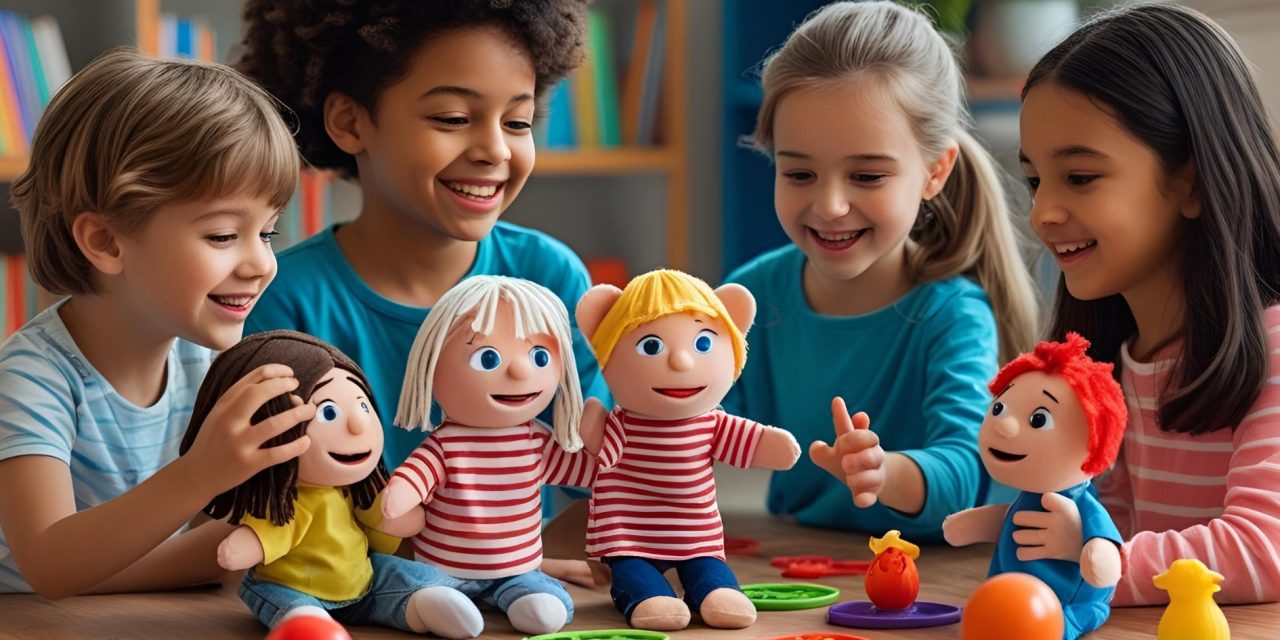
Children learn best when they’re engaged. And few things engage them better than hands-on, playful experiences. Start with role-playing games using puppets or toys. These allow kids to act out situations like “a friend takes your toy” or “you feel left out at school,” helping them explore emotional responses in a safe space.
Use a feelings wheel or emotion cards during circle time or wind-down hours. Kids can point to or pick the emotion that best represents their mood, then explain why, using simple prompts. Bonus: it boosts vocabulary and emotional insight.
Want to take it up a notch? Try a game like “Emotions Charades,” where kids act out feelings like excited, nervous, or frustrated. Or craft time with a twist: ask your child to draw a “happy day” and a “stormy day.” These simple tools open doors to deeper conversations—and even giggles.
Activities That Teach and Heal
Beyond games, everyday activities offer opportunities for emotional growth. Storytelling sessions where kids create their own characters can help them work through real-life experiences. Ask them, “What does your character feel? What would help them feel better?” You’ll be amazed at what they reveal.
DIY calming jars—filled with glitter, water, and a bit of glue—are more than pretty; they’re practical. Shaking the jar mimics emotional overwhelm. Watching it settle teaches patience and self-regulation.
Art projects, journaling for older kids, or mood-matching music sessions also offer wonderful ways for children to identify and express their emotions. And when done together, these activities strengthen parent-child connections.
Final Thoughts
Teaching emotional intelligence isn’t about raising perfect little Zen masters. It’s about giving kids tools to recognize and manage their feelings—skills they’ll use for a lifetime. And let’s be honest: a child who can say “I’m frustrated” instead of throwing applesauce across the room is a total win.
So, whether you’re playing games, crafting stories, or just talking through tough moments, remember: you’re not just filling time—you’re filling their emotional toolkit.
Ready to try some of these ideas at home? What games or activities have helped your child express their feelings better? Find more creative, kid-tested tips on emotional learning at Marvelus Kids.