Let’s be honest—getting kids excited about learning can sometimes feel like convincing a cat to take a bath. But turn it into a game? Now you’ve got their attention. Educational games are a sneaky (and genius) way to make learning fun without anyone even realizing they’re doing multiplication or practicing vocabulary.
The good news? You don’t have to overhaul your entire day to fit them in. With just a few tweaks to your routine, you can turn ordinary moments into brain-boosting ones.
Turning Play Into Purpose
Educational games don’t need to be elaborate or screen-heavy. Think memory card games during breakfast, word puzzles while commuting, or math challenges while setting the dinner table. The trick is to match the game to the moment—and your child’s attention span.
Choose age-appropriate games that target specific skills. Want to improve spelling? Go for word-building games. Need help with focus or logic? Try strategy-based board games. Keep things varied to maintain interest, but structured enough to build consistency.
Creating a designated “game time” can help kids look forward to learning in a relaxed, pressure-free way. It also offers adults a perfect window to bond while sneakily guiding development.
Build Confidence Through Fun
Educational games have a unique ability to make failure feel less scary. Miss a question? No big deal—try again. This builds resilience and helps children learn that mistakes are part of the journey. Be sure to celebrate progress, no matter how small. A high-five or silly victory dance goes a long way.
Encourage group play where possible. When kids team up or compete respectfully, they learn cooperation, emotional regulation, and how to lose gracefully (a skill we all need, honestly).
Don’t forget to reflect. A quick chat after game time about what was fun, what was tricky, and what they learned can reinforce critical thinking—and make your child feel like their ideas matter.
Closing Thoughts: Learning That Lasts
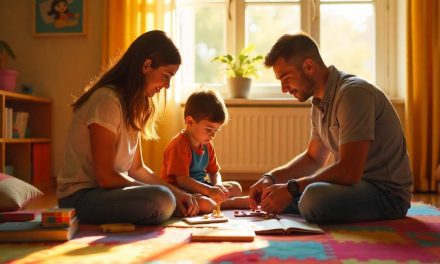
Incorporating educational games into your daily routine doesn’t require fancy tools or hours of planning. It just takes intention, creativity, and a willingness to meet kids where they are—often on the floor, surrounded by puzzle pieces.
So go ahead—make learning a game. You’ll be surprised how much knowledge fits between laughs and snack breaks.
What’s your go-to educational game for busy days? Find more fun learning ideas and daily play strategies at Marvelus Kids, where smart parenting meets everyday joy.