Not all quiet toys are created equal — and not all kids are ready for the same challenge.
A toddler handed a complex puzzle gets frustrated. A seven-year-old given stacking rings gets bored. The key to truly engaging screen-free play isn’t just choosing quiet toys — it’s choosing age-right quiet toys.
Using Child Development Institute research, CDC developmental milestone guidance, and ASTM F963 safety standards, this guide breaks down how to match toys to real growth stages — from grasping and stacking to executive function and logic.
Whether you’re preparing for calm car rides, peaceful restaurant waits, or quiet bedtime wind-down routines, this age-appropriate selection guide helps you choose toys that build skills without noise.
Why Age-Right Selection Matters
Choosing developmentally aligned toys prevents frustration and encourages longer engagement.
- Toddlers (1–3 years) need chunky, graspable pieces that support hand-eye coordination.
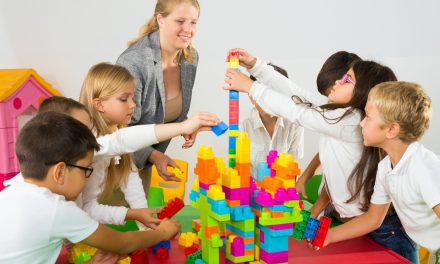
- Preschoolers (4–6 years) thrive on sequencing, fine motor practice, and creative construction.
- School-age kids (7+ years) crave logic challenges, spatial reasoning, and executive function growth.
Safety remains foundational. All toys should follow ASTM F963 standards. For children under 3, pieces must exceed 1.25 inches to avoid choking hazards, in line with CPSIA regulations.
When toys match milestones — grasping, bilateral coordination, problem-solving — children naturally stay engaged longer. Parents consistently report stronger focus and calmer play when developmental alignment is correct.
Toddlers (1–3 Years)
At this stage, children are mastering grasping, stacking, and basic spatial awareness. Quiet toys should be soft-edged, durable, and large enough to meet CPSIA safety standards.
Top Quiet Toy Picks for Toddlers
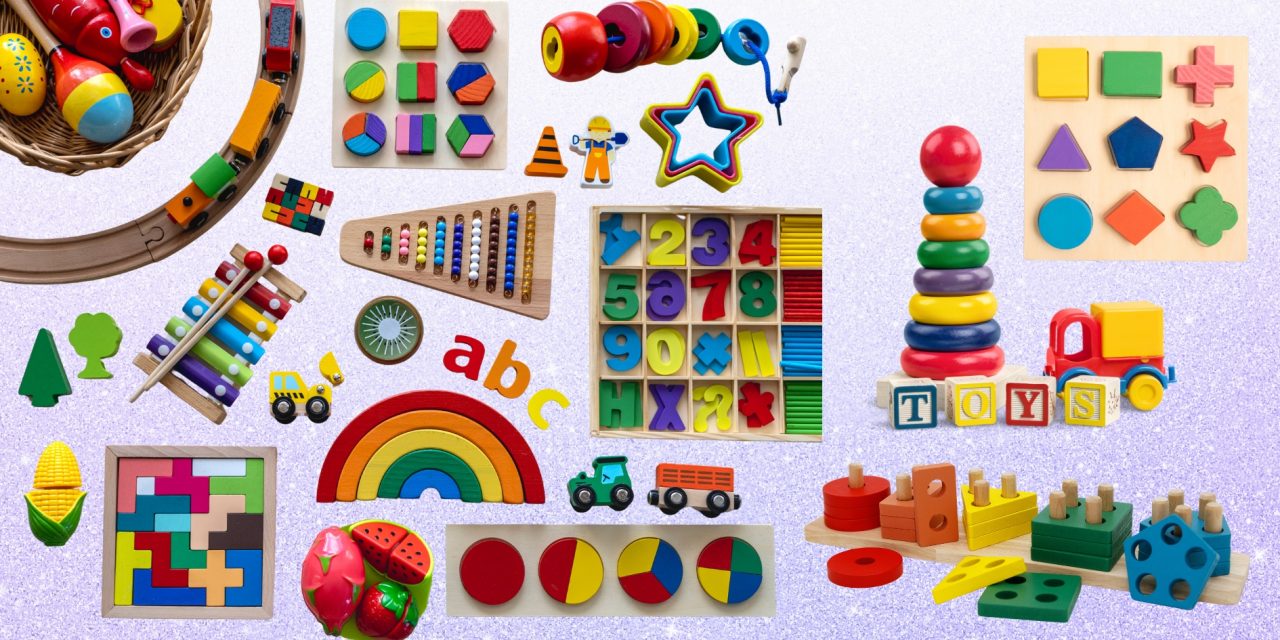
- Grimm’s Rainbow Stacking Arch ($45) – Open-ended stacking that supports CDC hand-eye coordination milestones.
- Wooden Nesting Dolls (Etsy) – Encourages size recognition and persistence.
- Fat Brain Toys Tobbles ($35) – Supports balancing and sensory exploration.
Parents report 30–45 minutes of independent engagement with these toddler quiet toys. Natural wood construction improves durability and safety, while supervised play ensures all pieces remain age-appropriate.
These toys are ideal for nap-time wind-downs, indoor play, and calm morning routines.
Preschoolers (4–6 Years)
Preschoolers refine fine motor skills, bilateral coordination, and early problem-solving. At this stage, quiet toys should encourage structured creativity.
Top Quiet Games for Preschoolers
- Melissa & Doug Lacing Cards ($12) – Builds pre-writing grip and sequencing skills.
- Magna-Tiles 48pc Set ($119, Amazon) – Encourages 3D construction and spatial reasoning.
- Play-Doh Starter Set ($10, Walmart) – Supports sensory shaping and creativity.
- Kinetic Sand ($18) – Mess-controlled tactile molding.
Engagement often lasts 45–90 minutes when toys are rotated regularly. Experts recommend toy rotation to sustain interest and prevent overstimulation.
These preschool quiet games are perfect for restaurant waits, quiet evenings, and travel-friendly play that builds mindfulness and “zen” focus.
School-Age Kids (7+ Years)
Children 7+ are ready for logic-based puzzles, strategic thinking, and executive function challenges. Quiet toys at this stage should stretch cognitive endurance.
Top Puzzle Toys for School-Age Kids
- Kanoodle Genius ($13, Amazon) – Develops logic sequencing and spatial reasoning.
- Wooden Tangram Puzzle ($13, Etsy) – Enhances geometric thinking.
- ThinkFun Gravity Maze ($25) – Builds planning skills step-by-step.
- Perplexus Epic ($40) – Strengthens focus through maze navigation.
Research links puzzle play to stronger executive function and concentration development. These toys are ideal for indoor quiet play, travel, or screen-free evenings. They provide adjustable challenge levels, allowing kids to grow without outgrowing the toy.
Conclusion
Quiet toys are not about silence. They are about skill-building without overstimulation.
By aligning toys with CDC developmental milestones and ASTM F963 safety standards, parents can create calm environments that nurture fine motor skills, executive function, and independent focus.
From chunky stacking rings to advanced logic puzzles, age-appropriate selection transforms quiet time into meaningful growth.
Is your child’s quiet time building real skills — or just passing time? Discover age-right, milestone-matched picks at Marvelus Kids, where calm play supports real developmental growth.