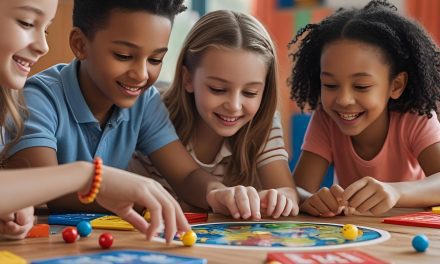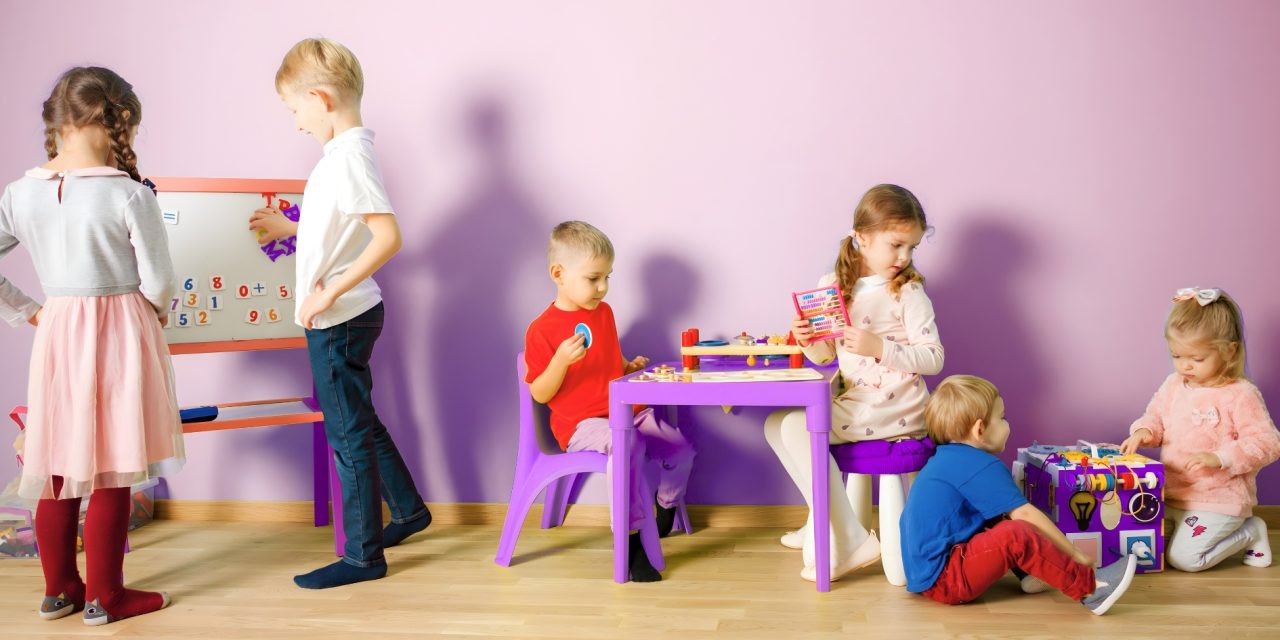
Ever notice how one child studies a puzzle like a tiny architect, another sings instructions out loud like they’re hosting a podcast, and a third needs to physically build, stack, or spin something just to understand it?
That’s not randomness. That’s learning style in action.
Howard Gardner’s Theory of Multiple Intelligences identifies at least eight intelligences — linguistic, logical-mathematical, spatial, bodily-kinesthetic, musical, interpersonal, intrapersonal, and naturalistic. While educators often reference the VAK model (visual, auditory, kinesthetic) as a practical framework, both approaches point to the same truth: children don’t all learn the same way.
Some kids need to see it. Some need to hear it. And others need to touch it — preferably while moving. When parents recognize these natural tendencies, choosing educational toys becomes strategic instead of stressful. Matching toys to a child’s strengths improves focus, boosts retention, and supports real child development through play-based learning.
Let’s break down how to spot each style — and which toys actually align with it.
Visual Learners
Visual learners thrive on color, patterns, shapes, and spatial relationships. They often prefer diagrams over verbal explanations and can recall visual details with surprising accuracy.
These children gravitate toward stacking toys, colorful puzzles, and magnetic designs that let them “see” progress happening.
Recommended Toys for Visual Learners
- Melissa & Doug Shape Sorter (ages 2+) – Builds shape recognition with vibrant wooden pieces.
- Magnetic Pattern Boards – Encourage spatial reasoning and creative design.
- Fisher-Price Peek-a-Boo Blocks – Combine stacking with visual surprises.
One parent shared, “My visual learner finally focused!” during play sessions. These puzzle toys extend engagement and build problem-solving skills. Choose eco-friendly toys like wooden options for safe, durable fun.
Visual learners benefit from toys that strengthen color recognition, early math skills, and pattern identification — all through sight-driven exploration.
Auditory Learners
Auditory learners absorb information through sound, rhythm, and repetition. They may talk through their thinking, repeat phrases, or hum while concentrating. These children often thrive with musical toys and interactive devices that provide audio feedback.
Recommended Toys for Auditory Learners
- LeapFrog My Own LeapTop (ages 2–5) – Combines songs and audio books for interactive learning.
- Melissa & Doug Band-in-a-Box – Includes xylophone and drums for rhythm play.
- Fisher-Price Laugh & Learn Smart Stages Puppy – Reinforces counting and vocabulary through music and phrases.
Experts recommend describing audio cues clearly — for example, a cheerful voice saying, “Let’s count to ten!” paired with upbeat music strengthens phonemic awareness and vocabulary retention.
Parents often notice stronger attention spans and improved confidence when children engage consistently with musical toys and rhythm-based activities.
Kinesthetic Learners
Kinesthetic learners learn best by doing. If it doesn’t involve movement, texture, or hands-on interaction, it rarely sticks.
These children may fidget during passive instruction but shine when building, molding, threading, or stacking.
Recommended Toys for Kinesthetic Learners
- Magna-Tiles 100-Piece Set – Supports 3D building and STEM toys exploration.
- Kinetic Sand – Encourages sensory play and tactile creativity.
- Melissa & Doug Lace & Trace – Develops fine motor skills and coordination.
Parents often report, “My fidgety child finally sat still building!” because tactile engagement channels energy into structured creativity.
Hands-on learning strengthens fine motor skills, independence, and emotional development. Durable toys are essential here — kinesthetic learners tend to test structural integrity as part of the fun.
Conclusion
Understanding learning styles in children isn’t about labeling them. It’s about unlocking their strengths.
When educational toys align with how a child naturally processes information — visually, auditorily, or kinesthetically — engagement increases, frustration decreases, and skill-building accelerates.
The right toy doesn’t just entertain. It connects.
Are your child’s toys matching how they learn — or just filling shelf space? Explore learning-style-matched picks at Marvelus Kids, where play is designed around every child’s natural strengths.