Buying educational toys is not just about finding something labeled “learning-focused” and calling it a day. Where you shop can directly affect quality, price, and the range of options available.
Parents often face an overwhelming mix of online marketplaces, big-box retailers, and specialty stores, each offering different advantages. Understanding what each option does well makes it easier to find toys that genuinely support development without unnecessary frustration or overspending.
Major Retailers and Online Marketplaces
Convenience and Variety
Large retailers such as Amazon and Walmart are popular choices because of their accessibility and pricing flexibility. These platforms offer a wide range of educational toys across different age groups, learning styles, and budgets.
Amazon stands out for its extensive selection and competitive pricing, especially during frequent sales. However, product quality can vary significantly, making it essential to review ratings, descriptions, and customer feedback carefully before purchasing.
Budget-Friendly Options With Limits
Walmart provides solid value through affordable pricing and convenient in-store pickup options. This can be especially helpful for parents who prefer to see items in person or need quick access.
While Walmart’s selection is reliable, it may not match the depth and specialization found on larger online platforms or niche retailers.
Specialty Toy Stores
Curated Learning Experiences
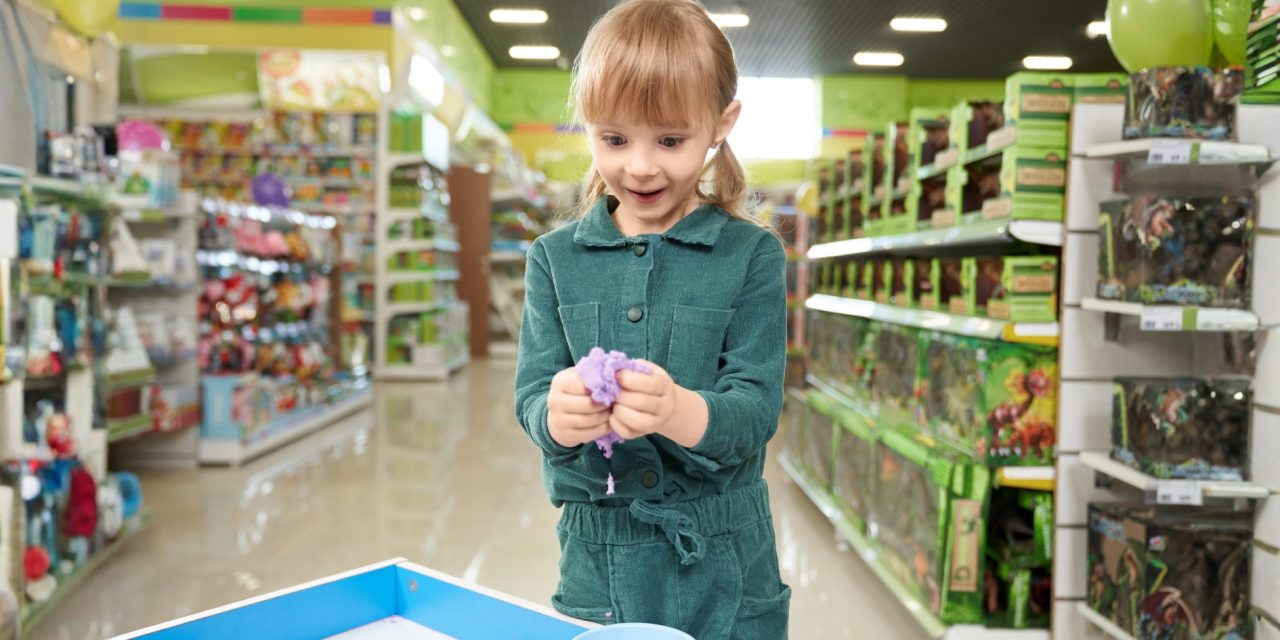
Specialty toy stores, such as Learning Express, focus on carefully selected educational toys that meet higher standards for safety and learning value. These stores often prioritize developmental benefits over trends, making their collections more intentional.
Staff members are typically knowledgeable and can recommend toys based on a child’s age, interests, and developmental needs, which adds value beyond the product itself.
Supporting Quality and Local Businesses
Shopping at specialty stores often means paying higher prices, but the trade-off is quality assurance and thoughtful curation. Many parents appreciate knowing that items have been vetted by experts rather than algorithms.
Supporting local toy stores also helps sustain small businesses within the community, which can be an added incentive for mindful shoppers.
Conclusion
There is no single best place to buy educational toys, only the best choice for your priorities. Online retailers offer convenience and variety, big-box stores provide affordability and access, and specialty shops deliver curated quality and expert guidance.
Balancing price, selection, and learning value helps ensure that the toys you choose truly support your child’s growth. A little research goes a long way in turning a purchase into a meaningful learning investment.
Explore more trusted buying guides and toy recommendations on Marvelus Kids, where smarter shopping choices lead to stronger learning outcomes.