Most learning struggles at home don’t start with the child, they start with the location. A kitchen table beside a running TV, a couch in a busy hallway, or a corner that doubles as a toy dump is asking a young brain to do Olympic-level focus. Unsurprisingly, it rarely works.
Research consistently shows that light, noise, airflow, and foot traffic directly affect a child’s ability to concentrate. The right learning spot doesn’t need to be big, expensive, or Pinterest-worthy, it just needs to reduce distractions and signal, “This is where focus happens.” When the location supports attention instead of fighting it, learning feels calmer, faster, and far less dramatic for everyone involved.
How Location Shapes Focus and Attention
Children are highly sensitive to their surroundings. Natural light improves alertness and concentration, making window-adjacent areas ideal for daily learning. Research consistently links daylight exposure with better cognitive performance and mood regulation.
Noise and movement matter just as much. High-traffic areas pull attention away before learning even starts. A low-distraction spot signals that this space has a purpose, helping children transition into focused work more easily.
Use this quick location checklist:
- Access to natural light for sustained attention
- Low foot traffic to minimize visual and sound interruptions
- Good airflow to prevent restlessness and fatigue
Parents often notice longer focus spans when learning happens in calm, predictable locations rather than shared activity zones.
Smart Location Choices for Any Home Size
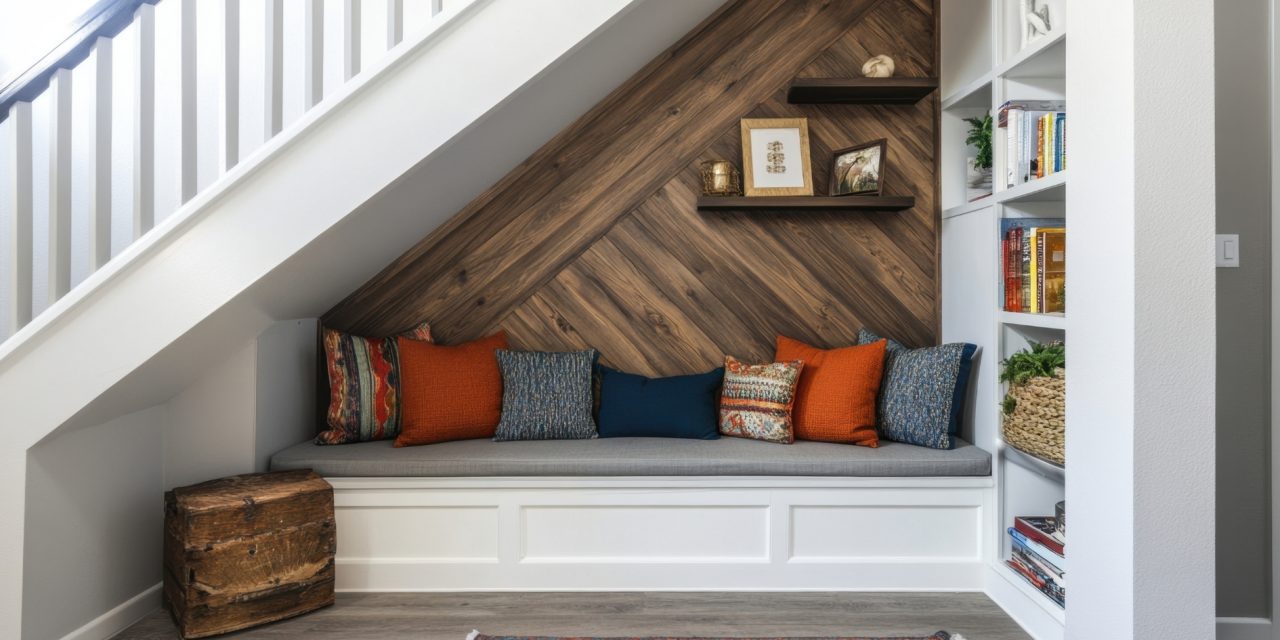
The best learning locations are often overlooked. A quiet window corner can outperform a large table in the middle of the room. Closet edges, under-stair spaces, or rarely used corners naturally reduce distraction while maintaining consistency.
Vertical solutions work especially well in small homes. Wall-mounted storage and compact furniture allow learning to happen without taking over the room. Even balcony-adjacent spots or hallway nooks can work when noise is controlled.
High-performing location ideas include:
- Window-side nooks with consistent daylight
- Closet corners with minimal foot traffic
- Under-stair spaces shielded from noise
- Bedroom corners away from toys
- Balcony-adjacent indoor spots with airflow
- Hallway edges used only during learning time
These locations help children associate learning with calm, not chaos. This makes daily routines easier to maintain.
Why Location Can Make or Break Learning
When learning has a fixed, well-chosen location, children settle faster and resist less. The environment does part of the work for you, reducing reminders and redirection.
Parents frequently report fewer interruptions and more independent engagement when learning happens in a spot designed for focus. Over time, the location itself becomes a cue for concentration.
Have you noticed your child concentrates better in certain corners of your home and completely loses focus in others? Marvelus Kids explores how choosing the right location can quietly change the way learning shows up in your child’s day.