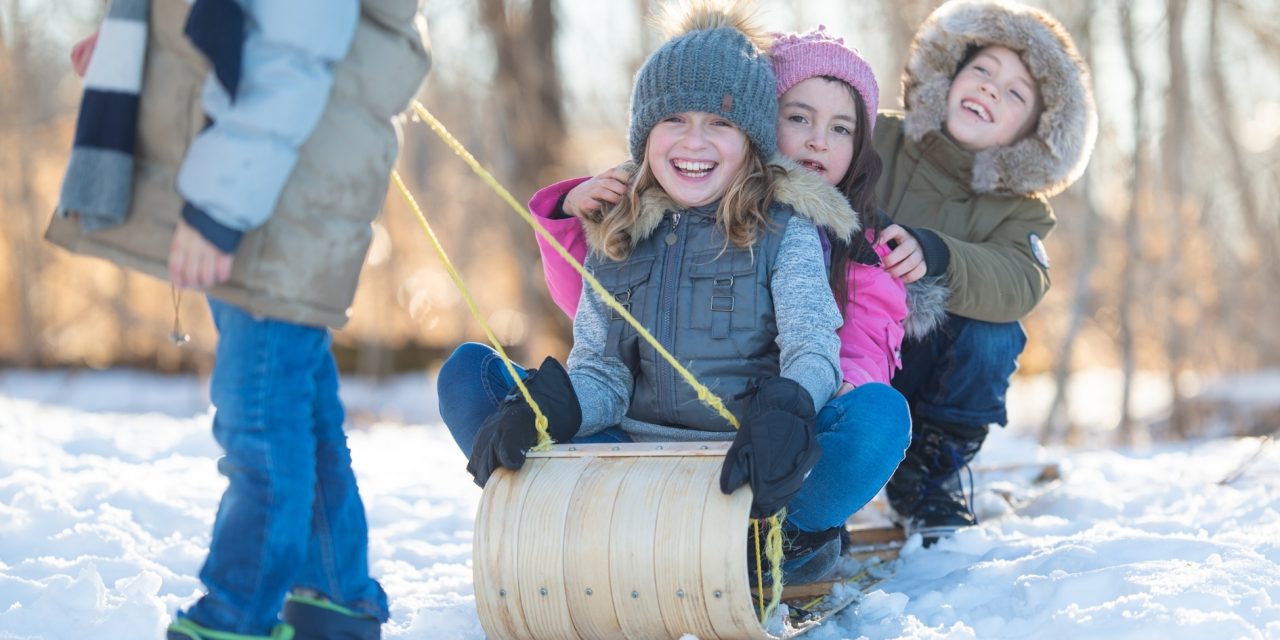
Winter outdoor time sounds simple in theory—bundle up, step outside, let kids burn energy. In reality, cold fingers, surprise wind, and fading daylight can turn a good plan into a rushed retreat. Unlike other seasons, winter doesn’t offer much grace. Small oversights compound quickly, especially with children who feel discomfort before they can explain it.
Preparation isn’t about controlling the experience; it’s about removing the friction that makes winter feel harder than it needs to be. When parents anticipate cold-related challenges—shorter attention spans, faster fatigue, and unpredictable weather—outdoor time becomes calmer, safer, and far more enjoyable for everyone involved.
A Winter-Ready First Aid Kit for Cold Weather Play
Winter injuries aren’t always dramatic, but they escalate faster. Cold stiffens joints, dulls sensation, and slows reactions. A minor slip or scratch feels bigger when hands are numb and kids are already uncomfortable.
A winter-ready first aid kit focuses on warmth, flexibility, and speed.
Cold-weather essentials to include:
- Antiseptic wipes that stay usable in low temperatures
- Fabric or flexible bandages that adhere to cold skin
- Instant warm packs for chilled fingers or early cold exposure
Compact kits like those from Adventure Medical Kits often include thermal blankets, which are invaluable if kids cool down faster than expected. These small additions keep minor moments from becoming reasons to head home.
Revisit your kit at the start of winter. Supplies that work fine in warm months don’t always perform the same when temperatures drop.
Reading Winter Weather Before Heading Outside
Winter weather isn’t just about snow. Wind chill, cloud cover, and daylight hours shape how long kids can comfortably stay outdoors. Parents often underestimate how quickly conditions change and how strongly children react to those shifts.
Reliable apps such as Weather Underground, AccuWeather, and The Weather Channel help families plan realistically rather than optimistically.
Key checks before heading out:
- Feels-like temperature, not just the actual reading
- Wind speed, which accelerates heat loss in children
- Snow or ice forecasts that affect footing and clothing choices
- Sunset time, since darkness brings colder temperatures quickly
When parents plan around these factors, outdoor time feels intentional instead of reactive.
Conclusion
Winter outdoor adventures don’t fail because families lack enthusiasm. They fail when comfort and safety are treated as afterthoughts. A thoughtfully stocked first aid kit and a realistic understanding of winter conditions give parents the confidence to stay outside longer and enjoy it more.
Prepared families don’t rush winter—they move through it calmly. And that’s what turns cold days into lasting memories.
Have you ever stepped outside thinking, We’ll be fine, only to turn back ten minutes later? Marvelus Kids helps parents think through the small details that make winter outings smoother, safer, and genuinely enjoyable for kids.