If you’ve ever watched a child turn a cardboard box into a spaceship, a castle, and then a pirate ship—all before lunch—you’ve seen the magic of open-ended play in action.
Unlike structured games with strict rules, open-ended games let kids call the shots, bending imagination into learning without even realizing it. And honestly, who needs fancy gadgets when a few blocks, costumes, or even kitchen utensils can become the tools of a grand adventure?
The Power of Imagination and Problem-Solving
Open-ended games give children the freedom to create their own stories and scenarios. This unstructured play develops critical thinking, encourages curiosity, and teaches kids to adapt when their “pirate ship” suddenly becomes a “rocket to Mars.”
More than just fun, these activities train children to look at problems from multiple angles, experiment with solutions, and find joy in discovery.
Building Social and Emotional Skills
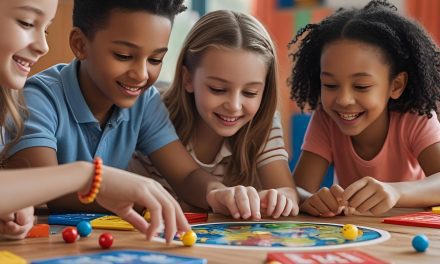
The collaborative nature of open-ended play nurtures essential social skills. When kids create together, they learn how to share ideas, negotiate roles, and sometimes even manage disagreements (“No, the dragon can’t eat the knight yet!”).
These interactions build empathy, communication, and resilience—qualities that benefit children far beyond playtime.
Supporting All Learning Styles
One of the biggest strengths of open-ended games is their adaptability. Whether a child is a visual learner, a hands-on experimenter, or a storyteller at heart, these activities cater to diverse learning styles.
From pretend play with costumes to open-ended building with blocks, children gain meaningful developmental experiences. Such encounters align with their strengths while also stretching their creativity.
Conclusion
Open-ended games may look like simple fun, but they are in fact powerful developmental tools. They spark imagination, fuel critical thinking, strengthen social connections, and allow kids to explore their world in unique ways.
In a world where structured schedules often dominate childhood, these moments of unstructured play remind us that growth often happens when rules take a back seat. After all, today’s pirate with a cardboard box might just be tomorrow’s innovative problem-solver.
Curious how to bring more open-ended play into your child’s routine? Visit Marvelus Kids for fresh ideas, creative activities, and tips to spark your child’s imagination. Here’s a thought to kick off playtime: if your child had a magic wand, what world would they create first?