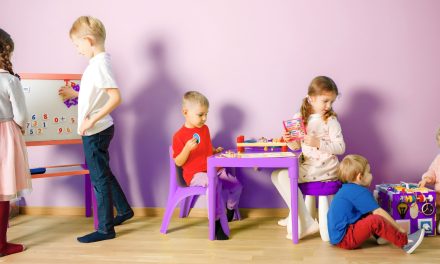
Confidence in children does not magically appear one morning with their cereal. It develops slowly, through repeated moments of effort, frustration, problem-solving, and eventual “I did it!” victories—sometimes announced very loudly.
Research from Harvard Center on the Developing Child suggests that play supports emotional regulation and reduces anxiety. When children master a task during play, their brains release dopamine, reinforcing motivation and encouraging them to try again. What looks like simple fun is actually structured confidence-building in disguise.
Self-Expression Through Play
When children are given open-ended creative tools, they communicate thoughts and emotions that they may not yet have the vocabulary to express. Art, building, and imaginative play provide safe outlets for storytelling, experimentation, and personal identity formation.
Open-ended art avoids the pressure of “right” or “wrong.” Instead, it encourages exploration. For example:
- Washable markers and blank paper (ages 2–5) allow toddlers to scribble freely while building fine motor control.
- Sculpting clay kits (ages 3–7) help children shape characters and stories with their hands.
- Craft kits with stickers (ages 4–8) encourage creative decision-making and design ownership.
Displaying finished artwork at home reinforces effort and pride. Hanging one piece each week signals that their ideas matter. Verbal narration during play—asking children to describe what they created—also expands vocabulary and deepens emotional expression.
Through creative play, children begin to see themselves as capable and expressive individuals.
Fostering Independence Through Play
Confidence grows strongest when children accomplish tasks independently. Self-directed play allows them to experiment, make mistakes, and solve problems without immediate adult correction.
Developmentally appropriate toys support autonomy at each stage:
- Toddler stage (ages 1–3): Stacking blocks and shape sorters teach cause and effect while encouraging persistence.
- Preschool stage (ages 3–5): Magnetic tiles, play dough, and pretend play sets promote decision-making and unstructured exploration.
- School-age (ages 6+): Complex puzzles and building sets challenge logic and resilience.
Montessori-based approaches emphasize giving children space to complete tasks independently. Praising effort rather than outcome reinforces a growth mindset. When children hear recognition for trying—not just succeeding—they learn that mistakes are part of learning.
Over time, these repeated “I did it myself” moments accumulate into genuine self-assurance.
Conclusion
Toys build confidence when they create opportunities for mastery, creativity, and independence. Open-ended materials encourage self-expression without fear of failure, while age-appropriate challenges allow children to experience accomplishment through persistence.
By choosing toys that prioritize effort, imagination, and problem-solving over passive entertainment, parents provide consistent confidence-building experiences woven naturally into everyday play. The result is not just skill development, but children who feel capable, expressive, and increasingly secure in their own abilities.
Are the toys in your home encouraging independence and self-expression—or just keeping kids busy?Share your thoughts below, and follow Marvelus Kids for more research-backed ways to choose toys that truly support your child’s growth.