Children have an incredible talent for spotting “educational” the moment an adult says it.
Mention a worksheet and watch enthusiasm disappear. Pull out a toy that secretly teaches the very same skill, and suddenly they’re completely invested. That’s the magic of play-based learning: children focus on having fun while their brains quietly do some impressive work behind the scenes.
The best learning toys don’t interrupt play to teach a lesson. They weave problem-solving, creativity, science, and critical thinking so naturally into the experience that children hardly notice they’re learning at all. From construction sets and science experiments to strategy games and outdoor exploration, the right toys nurture curiosity while keeping the joy of discovery front and center.
Building Blocks & Construction Sets
Few toys have stood the test of time quite like building blocks.
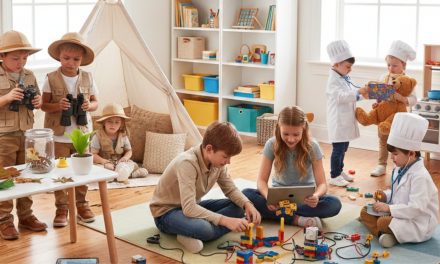
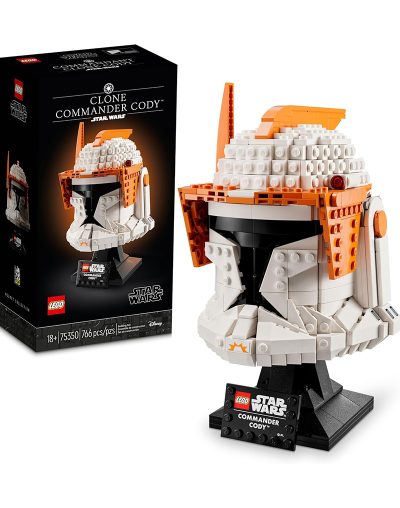
Whether children are stacking simple wooden cubes or designing elaborate cities with magnetic tiles, construction toys encourage them to think like little engineers. Every tower, bridge, and castle introduces concepts like balance, symmetry, and structural stability through trial and error rather than formal instruction.
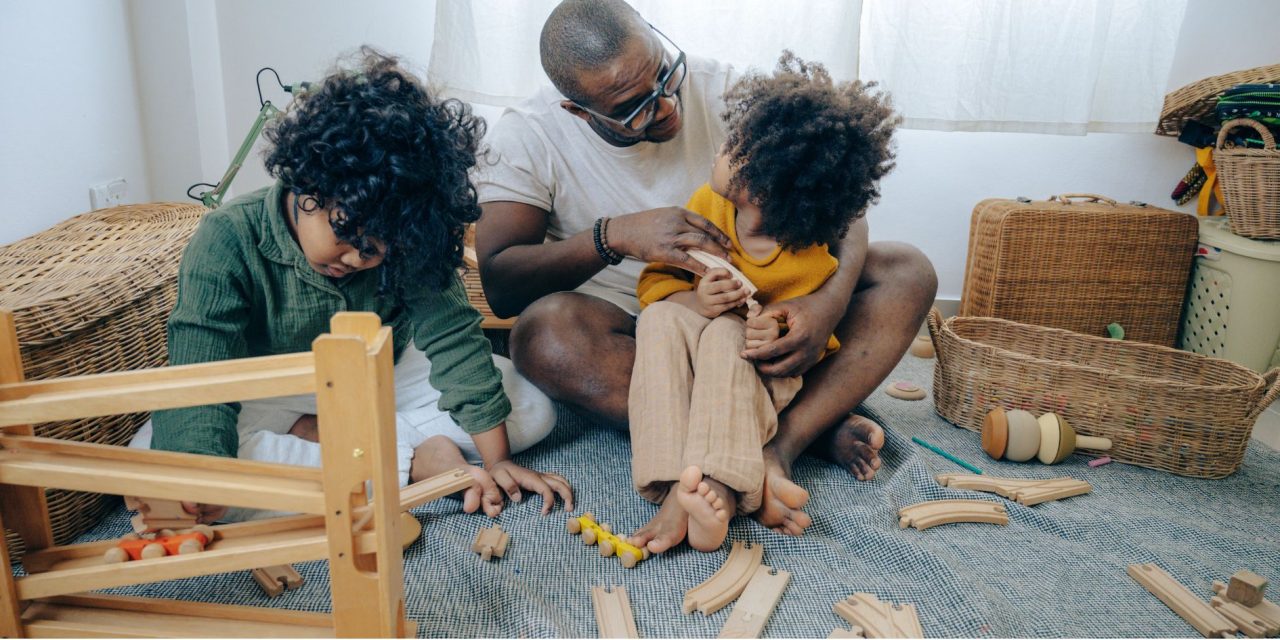
The beauty of building toys is that they naturally grow alongside children. Toddlers begin by stacking and sorting, while older children plan complex designs that demand patience, creativity, and problem-solving.
Perhaps most importantly, construction play teaches resilience. When a carefully built tower collapses, children don’t see failure—they see another chance to build it even better.
STEM Concepts Through Building
The best construction toys introduce STEM ideas gradually without overwhelming young learners.
Different types of building sets support different stages of development:
| Toy Type | Best For | Skills Developed |
| Wooden blocks | Ages 2–4 | Stacking, coordination, pattern recognition |
| Magnetic tiles | Ages 4–7 | Geometry, symmetry, spatial reasoning |
| LEGO Education sets | Ages 6+ | Engineering, planning, creative problem-solving |
| Programmable building kits | Ages 7+ | Coding, robotics, logical thinking |
As children progress through these stages, they naturally build on previous knowledge. What begins as stacking colourful blocks can eventually lead to designing moving robots and solving coding challenges—all through hands-on play.
Hands-On Science Kits
Science becomes far more exciting when children can see it happen in front of them.
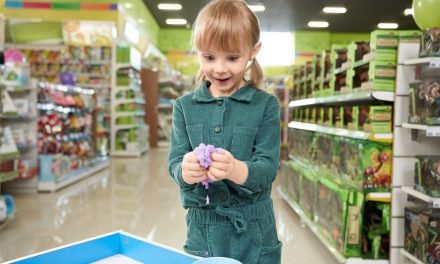
Rather than memorising facts from a textbook, hands-on science kits encourage children to ask questions, make predictions, and discover answers through experimentation. Every activity introduces the scientific method in a way that feels more like an adventure than a lesson.
Whether they’re growing crystals, mixing safe chemical reactions, or building simple circuits, children learn by observing, testing, and adjusting their ideas as they go.
These experiences also nurture confidence. Every successful experiment reminds children that curiosity leads to discovery—and that mistakes are simply part of figuring things out.
Experiments That Feel Like Magic
Some of the most memorable science activities look almost magical, even though they’re grounded in real scientific principles.
Popular experiments include:
- Growing colourful crystals while exploring saturation and crystallisation.
- Creating homemade volcanoes to demonstrate acid-base reactions.
- Building density towers with common household liquids.
- Writing invisible messages using natural pH indicators.
- Exploring surface tension with simple kitchen ingredients.
- Creating basic potato batteries to introduce electricity.
The immediate visual results keep children engaged, while the science happening behind the scenes encourages them to ask bigger questions about how the world works.
Instead of simply following instructions, young scientists begin experimenting with different variables, developing observation skills, patience, and critical thinking with every activity.
Conclusion
The most effective educational toys rarely announce themselves as learning tools.
Instead, they spark curiosity, encourage experimentation, and invite children to solve problems simply because it’s fun. Whether building towering structures or watching crystals slowly grow, children gain valuable skills while doing what they naturally love most—playing.
When learning feels like an adventure instead of an assignment, curiosity has room to flourish long after playtime ends.
The best learning often begins with a child asking one simple question: “Can I try?” Keep that curiosity growing with more toy guides, play ideas, and expert parenting resources at Marvelus Kids.