Children don’t come with instruction manuals — just an endless stream of questions and an alarming ability to memorize every word of the Paw Patrol theme song. But beneath the snack crumbs and impromptu tantrums lies a roadmap of learning milestones that quietly shape future mini-geniuses.
From recognizing letters to realizing that sharing actually is caring (most of the time), these benchmarks help parents and educators know when to cheer, when to step in, and when just to breathe deeply and grab the glitter.
Milestones aren’t about perfection — they’re about progress and maybe also surviving playdough in your carpet for the third time this week. Mix in some educational games, and you’ve got a recipe for learning that’s as joyful as it is sticky.
Overview of Developmental Milestones
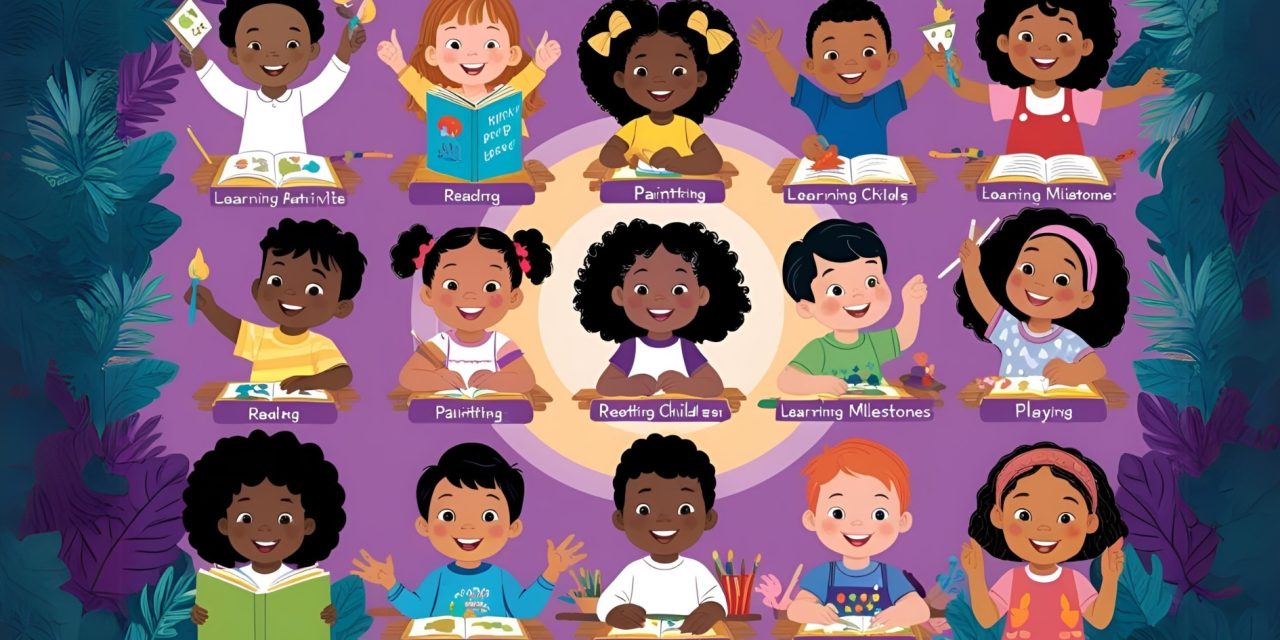
Developmental milestones serve as essential indicators of a child’s progress across various domains, including cognitive, emotional, physical, and social skills. These milestones guide parents and educators in comprehending each child’s unique growth trajectory.
They encompass a range of abilities, such as language acquisition, problem-solving, creative expression, and peer learning. These offer valuable insights into children’s readiness for more advanced learning experiences.
Monitoring these milestones facilitates early intervention strategies that promote healthy development and ensure that children are adequately prepared for future educational challenges.
The relationship between cognitive skills and social interaction is particularly significant. Children acquire knowledge through structured teaching, spontaneous play, and collaboration with peers.
Educational games are an effective tool for fostering these milestones, leveraging the power of play-based learning to engage children actively. Such hands-on activities capture their interest and promote the development of critical thinking, communication skills, and emotional intelligence. This makes the learning process both enjoyable and fulfilling.
By creating an environment that balances exploration with guided instruction, caregivers can substantially support a child’s holistic growth.
The Bottom Line
Kids don’t need to know the term “developmental milestone” — they’re too busy achieving them mid-snack. When guided with patience, play, and a few cleverly designed games, children naturally hit their learning strides in ways that are joyful, empowering, and full of accidental wisdom.
Every milestone met is a confidence boost, a building block, and a peek into the lifelong learner your child is becoming. Remember: it’s not a race — it’s a delightfully messy journey. And sometimes, the biggest learning happens in the tiniest moments (like figuring out Velcro).
Which learning milestone made you do a double-take — the kind where you thought, “Wait, when did they grow up?” Share your favorite or funniest moment below, and for playful learning tools that hit all the right brain buttons, explore Marvelus Kids today!