If you already believe in toy rotation but struggle with consistency, the issue is rarely the concept. It is the structure.
A toy rotation system only works when it is designed intentionally — with the right bins, clear limits, and a predictable schedule. Without those pieces, rotations become random swaps that eventually fall apart.
This guide focuses specifically on building the framework. We are talking container sizes, labeling strategy, the 3–5 rule, and a weekly swap system that prevents decision fatigue.
When the structure is right, the maintenance becomes easy.
Let’s design a system that actually works.
Designing Your Rotation System
Start with four clearly labeled bins. Physical containers make toy rotation visual and manageable for parents.
Options to consider:
- IKEA Trofast system ($35/set)
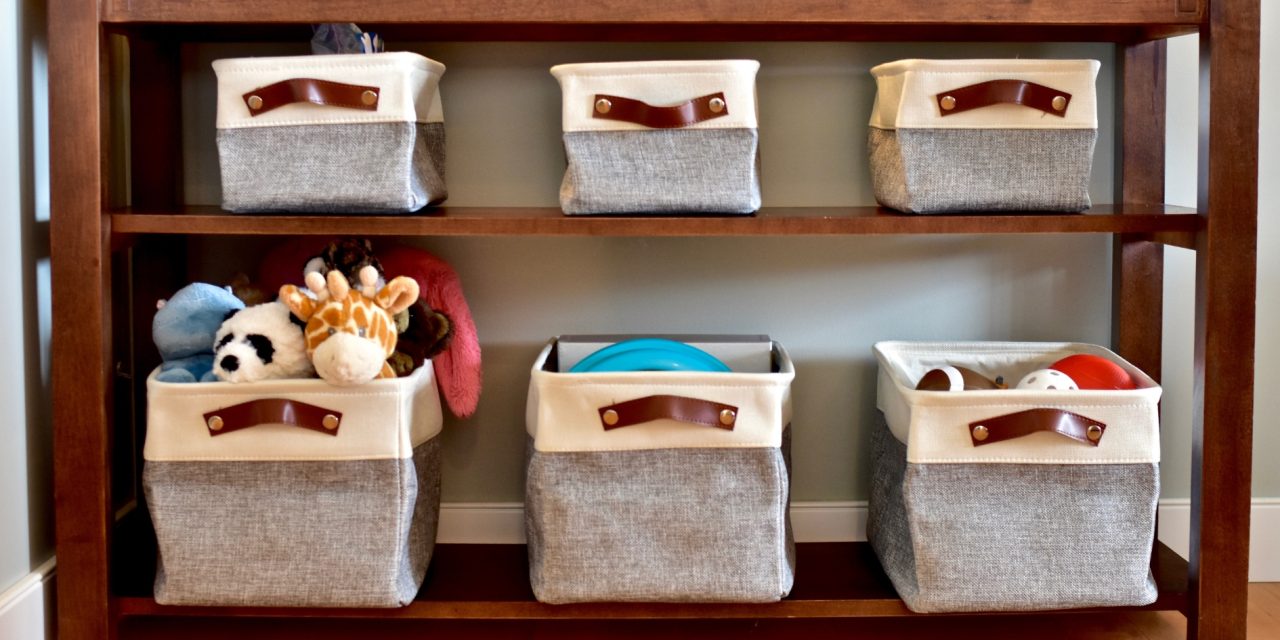
- **Amazon Basics fabric bins ($20/pack of 6)
Bins around 12×12 inches typically hold 8–12 toys comfortably. This prevents overload while keeping play interesting.
Label each bin by theme:
- Pretend play
- Building
- Sensory
- Puzzles / fine motor
Hide extra toys out of sight. When they return during rotation, they feel new again. This boredom-busting approach supports creativity and deeper engagement.
Rotate weekly or monthly based on your child’s attention span and interests.
Choose Rotation Bins or Boxes
Not all bins function the same. Some are better for heavy toys. Others work for small pieces.
Here are practical options:
| Bin Name | Price | Size | Material | Best For |
| IKEA Trofast | $35 | 12×18″ | Plastic | Heavy blocks |
| Really Good Stuff | $22 | 10×14″ | Clear plastic | Small toys |
| Amazon Sterilite | $15 | 12×12″ | Clear plastic | Puzzles and dolls |
| Amazon Basics Fabric | $20/pack of 6 | 12×12″ | Fabric | Sensory toys |
Clear plastic bins help children see contents easily. Stackable designs save space in small playrooms. Durable plastic works best for heavier items like blocks. Trofast is strongest for durability. Sterilite wins for budget-friendly storage.
Set Toy Limits Per Bin (The 3–5 Rule)
A toy rotation system only works if you limit what goes inside.
Follow the simple 3–5 rule:
- 1 big toy (example: blocks)
- 2 medium toys (example: dolls)
- 2 small toys (example: puzzles)
Fewer choices often lead to longer, more focused play sessions. This prevents overstimulation and toy fatigue.
Example setup:
- Bin 1: Pretend play — doll, 2 outfits, toy phone
- Bin 2: Building — 24 blocks plus a truck
- Bin 3: Sensory — textured toys or play dough
- Bin 4: Puzzles and fine motor activities
Quality over quantity keeps engagement high.
Creating a Weekly Schedule
Consistency keeps the system working.
Many parents prefer a Sunday evening swap. So, choose a fixed time and stick to it.
Similarly, involve your child in the switch. Anticipation makes “new” bins exciting again.
Sample 4-Bin Rotation Calendar
| Week | Active Bins | Stored Bins | Rotation Notes |
| Week 1 | Pretend + Build | Art + Cars | Rotate Sunday 7PM: Store bins 3–4 |
| Week 2 | Build + Art | Pretend + Cars | Rotate Sunday 7PM: Introduce art |
| Week 3 | Art + Cars | Pretend + Build | Rotate Sunday 7PM: Focus on vehicles |
| Week 4 | Cars + Pretend | Build + Art | Rotate Sunday 7PM: Full refresh |
Set a recurring calendar reminder. A predictable system prevents last-minute scrambling and keeps toy organization simple.
Conclusion
Designing a toy rotation system properly is what determines whether it becomes a lasting solution or just another short-lived organizing attempt. When you choose the right bin sizes, set clear limits like the 3–5 rule, and commit to a consistent weekly swap schedule, the system runs with far less effort. Instead of constantly tidying or negotiating toy overload, you create a structured environment that naturally supports focused play and easier cleanup.
A well-designed framework reduces decision fatigue for parents and overstimulation for children, making the playroom more manageable long term. The key is not rotating more often, but designing the system clearly from the start so it remains simple, sustainable, and effective.
Is your current toy rotation system designed with clear bins, limits, and a consistent schedule — or are you just swapping toys randomly when clutter builds up?Let us know in the comments — and keep following Marvelus Kids for practical, step-by-step systems that make parenting more organized!