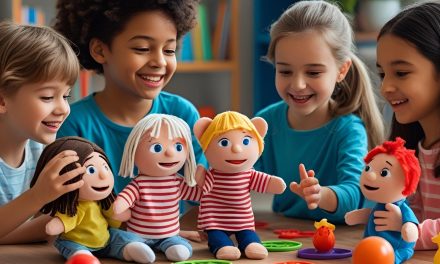
Empathy doesn’t develop overnight, but it does grow with every shared story, thoughtful question, and moment of connection. One of the most effective ways to nurture this essential life skill in children is through play. Whether it’s a board game that encourages teamwork or a role-playing activity that brings emotions to life, play creates natural opportunities for kids to build emotional intelligence and social skills, without feeling like they’re being taught a lesson.
When play is intentional, it becomes more than a fun break in the day. It becomes a space where kindness, compassion, and emotional awareness can take root and flourish.
Books and Games that Promote Empathy
Books and games specifically designed to promote empathy are invaluable educational resources. In fact, such resources significantly enhance children’s emotional intelligence and character development. Through engaging storytelling and interactive play, these tools encourage children to understand and articulate their feelings. Ultimately, this fosters a culture of empathy and compassion.
By incorporating these resources into their daily routines, parents can effectively nurture emotional growth. They can also encourage positive behavior in their children.
Such experiences deepen a child’s understanding of diverse perspectives. More importantly, they support critical social-emotional learning milestones essential for their overall development.
For example, picture books like “The Invisible Boy” effectively illustrate themes of loneliness and inclusion. Meanwhile, interactive games such as “Feelings in a Jar” present practical scenarios where children can safely practice empathy.
By engaging with these narratives and activities, children acquire the ability to navigate their emotions and relate to others meaningfully. This equips them with the skills necessary to build harmonious relationships throughout their lives.
Conclusion
Play isn’t just fun—it’s formative. When we introduce empathy through games and stories, we give children powerful tools to understand themselves and others. These moments of connection, curiosity, and compassion shape how they engage with the world around them. And with the right resources, play becomes a gateway to raising kind, emotionally intelligent humans.
Ever noticed a game or story spark a surprising emotional reaction in your child? Visit Marvelus Kids and drop your go-to empathy-building activity in the comments—we’re curious what’s working in real homes, not just parenting books.