When your child bursts through the door after school, they are not just carrying homework. They are carrying noise, social drama, instructions, expectations, and maybe a missing lunchbox lid.
What they need is not another structured task. They need a reset button.
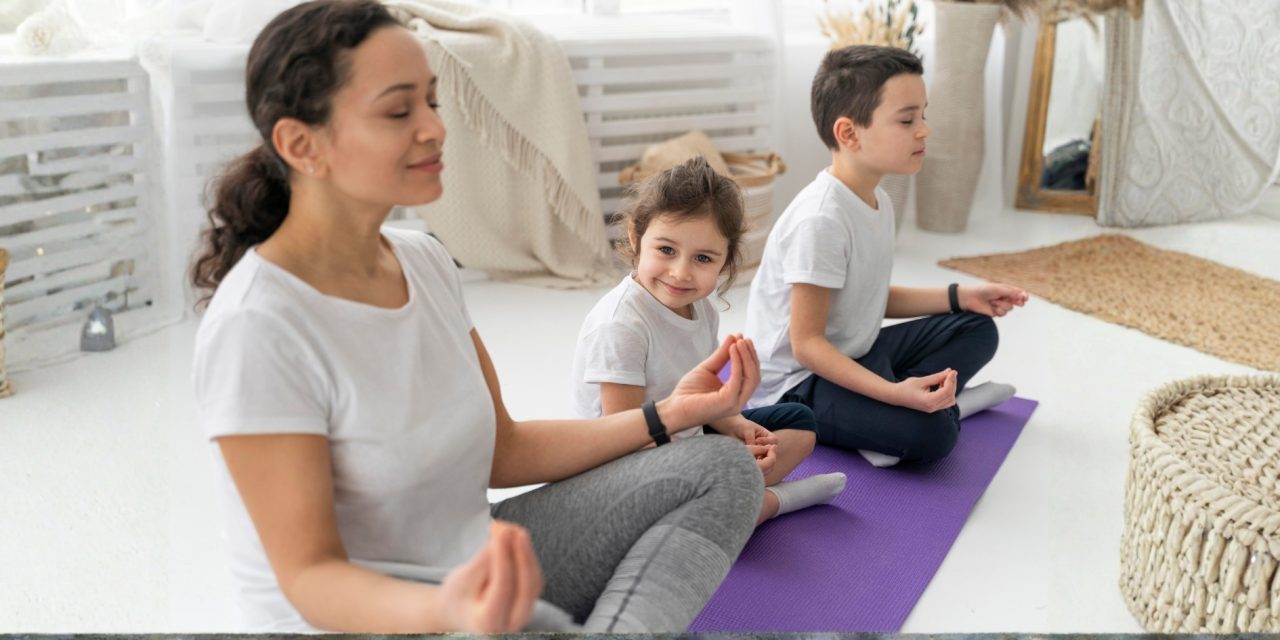
Calm after-school activities like mindful coloring, nature walks, breathing exercises, and sensory play help melt away stress. Child psychology experts support these low-pressure transitions as powerful emotional stabilizers. With a simple structure, afternoons can shift from chaotic to calm.
Reducing Stress and Anxiety After School
Research suggests that simple after-school routines help children unwind and manage stress more effectively. Instead of jumping into homework, begin with calm play ideas that signal safety and relaxation.
Progressive muscle relaxation is highly effective. Children gently tense and release muscle groups from toes to head. This builds body awareness and reduces stored tension from the day.
Guided imagery also supports emotional calm. Invite them to imagine a sunny beach or peaceful forest path. Soft, descriptive language slows racing thoughts and eases overstimulation.
Nature exposure strengthens the reset. A short outdoor walk, cloud watching, or listening for birds lowers sensory overload. Even brief fresh air creates noticeable emotional shifts.
For quick stress relief, use the 4-7-8 breathing method. Inhale for four seconds, hold for seven, and exhale for eight. Repeat four times inside a cozy calm corner.
Boosting Emotional Regulation Through Structured Check-Ins
Children practicing emotion check-ins show 42% stronger self-regulation skills, according to research from the Yale Center for Emotional Intelligence. The Yale RULER approach focuses on recognizing, understanding, labeling, expressing, and regulating emotions.
A printable feelings wheel makes this practical. Include eight core emotions such as happy, sad, angry, and scared. Add shades like frustrated or furious for deeper awareness.
Follow this simple three-step check-in. First, name the emotion. Second, locate it through a quick body scan. Third, release it with steady breathing or hand squeezing.
The Zones of Regulation chart adds clarity and structure.
| Zone | Description | Calming Strategies |
| Blue | Low energy, sad, tired | Deep breathing exercises, warm hug from teddy bear, gentle rocking |
| Green | Calm, happy, focused | Mindful coloring, quiet reading nook time, soft music listening |
| Yellow | Anxious, stressed, overwhelmed | Progressive muscle relaxation, bubble blowing relaxation, sensory play gentle |
| Red | Angry, terrified, elated | Hand squeezing release, guided imagery children, playdough molding |
Create a calm corner with the wheel, chart, and sensory tools. This predictable routine turns emotional regulation into a daily habit instead of a reaction.
Conclusion
After-school calm is not about filling time. It is about restoring balance. Simple breathing exercises, guided imagery, nature exposure, and emotional check-ins reduce stress while strengthening resilience. With a consistent reset routine and a welcoming calm space, children transition more smoothly from school demands to home life. That shift improves focus, mood, and family evenings.
What if the next after-school ideas made your afternoons even calmer and more connected? Stay tuned at Marvelus Kids, where we’re exploring three more simple activities that make the school-to-home transition feel effortless.