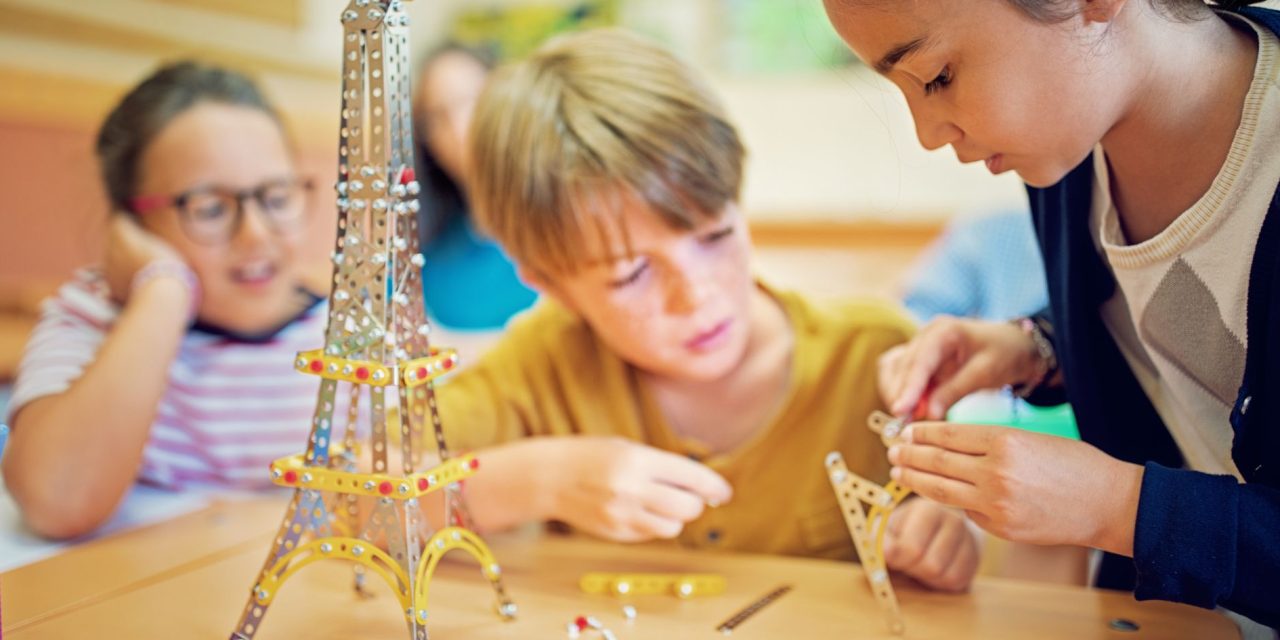
Want to teach STEM in a way kids actually enjoy? Skip the heavy textbooks for a moment and hand them spaghetti, tape, straws, or cardboard instead.
Some of the best engineering lessons happen when things fall apart—literally. A collapsing bridge or wobbly tower may look like failure, but it is often where the real learning begins. Kids start asking better questions, spotting design flaws, and finding smarter solutions.
That is the magic of engineering challenges. They turn everyday materials into hands-on STEM experiences that build creativity, resilience, and problem-solving skills. Even better, they teach kids that failure is not the end—it is often the first step toward a better design.
Why Engineering Challenges Are Great for STEM Learning
Engineering challenges help children think like real problem-solvers. Instead of memorizing concepts, they test ideas, observe outcomes, and improve their designs through trial and error.
This process naturally builds an engineering mindset. Kids learn how to analyze what went wrong, identify weaknesses, and make smarter decisions the next time. That kind of critical thinking is at the heart of STEM learning.
The beauty of these challenges is how accessible they are. You do not need expensive STEM kits or complicated tools. Everyday items like straws, cardboard, tape, paper, and spaghetti can become powerful learning tools.
These activities also teach patience and resilience. Rarely does the first design work perfectly—and that is the point. Children begin to understand that progress often comes through testing, adjusting, and trying again.
A simple scorecard can make the process even more exciting. Instead of only celebrating the tallest tower or strongest bridge, celebrate clever redesigns and creative problem-solving. That encourages growth mindset thinking and helps kids focus on learning rather than perfection.
Bridge and Tower Challenges Kids Will Love
Bridge and tower builds are perfect entry points into engineering. They are simple to set up, fun to test, and packed with STEM lessons about balance, structure, and strength.
The classic spaghetti bridge challenge is always a favorite. Kids build a 12-inch bridge using only spaghetti and tape, then test how much weight it can hold. Watching a bridge collapse can be hilarious—but also incredibly educational.
Straw towers are another great challenge. Give kids a limited number of straws and ask them to build the tallest stable tower possible. They quickly learn how shape and balance affect strength.
Paper chain bridges add another layer of problem-solving. Kids focus on creating strong links that can support weight across a gap. It is a fantastic way to introduce concepts like load distribution.
Cardboard skyscraper challenges work well for older kids. The goal is to build a structure as tall as possible without it toppling over. This challenge naturally leads to discussions about foundations and weight distribution.
The marshmallow challenge is also a family favorite. Using spaghetti and marshmallows, kids race against a timer to build the tallest tower possible. It looks simple—until gravity gets involved.
After each challenge, ask questions that encourage deeper thinking:
- What caused the structure to fail?
- Which design worked best?
- How could triangles or wider bases improve strength?
These conversations help kids connect fun building activities to real engineering concepts in a way that feels natural and exciting.
Conclusion
Engineering challenges are one of the most effective ways to teach STEM at home because they make learning active, creative, and fun.
Through building, testing, failing, and redesigning, kids develop real-world skills that go far beyond science or math. They learn resilience, problem-solving, and the value of persistence.
Sometimes the best STEM lesson starts with a pile of recyclables and a structure that falls apart in seconds.
Which engineering challenge would your child want to tackle first—a bridge or a tower?
Stay with Marvelus Kids for more fun STEM ideas that turn everyday play into powerful learning.