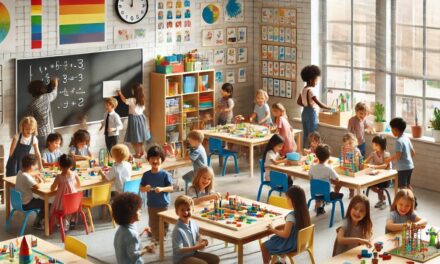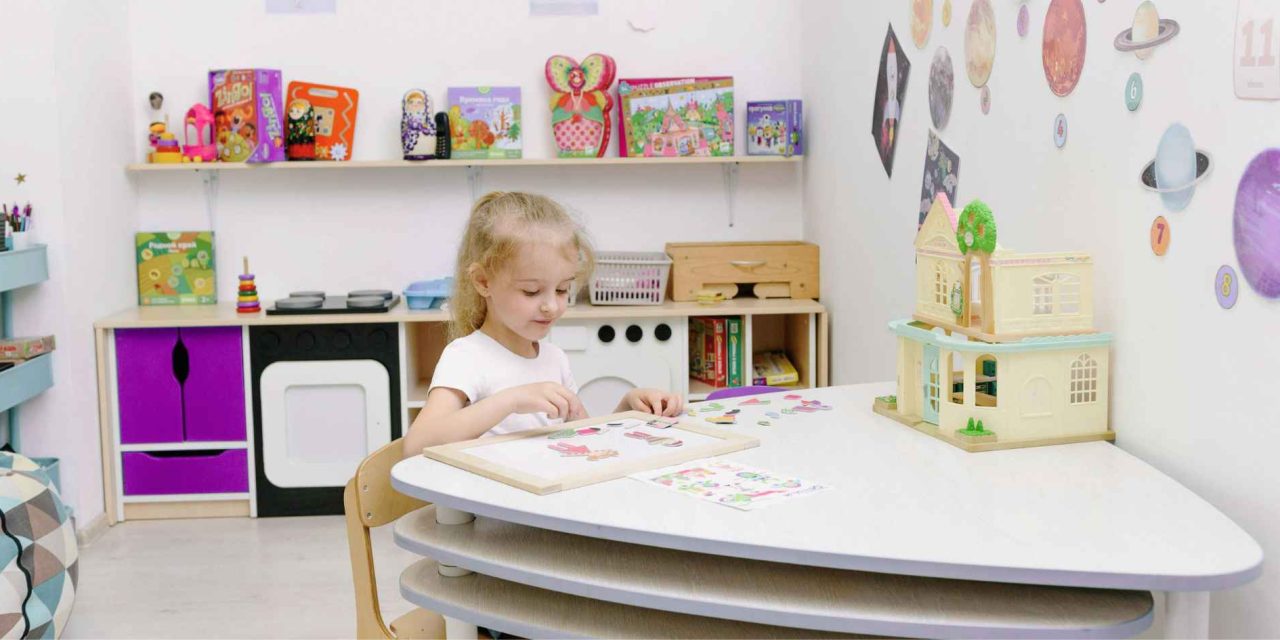
Every parent starts with the same dream: a peaceful little after-school learning corner where kids happily read, build, explore, and learn independently. Then somehow, three days later, the scissors are missing, the flashcards are under the couch, and one marker cap has entered another dimension permanently.
That is why organizing a kids’ learning space matters just as much as the learning materials themselves. A well-structured corner helps children focus faster, access supplies independently, and avoid feeling overwhelmed after school. Simple systems like labeled bins, low shelves, rotating activities, and visual organization create calmer routines while supporting literacy, math, fine motor skills, and creative exploration at home.
Organizing Supplies Without Creating Chaos
An effective learning corner starts with accessibility and simplicity.
Using clear labeled bins helps kids quickly identify what belongs where, especially for younger children between ages 2 and 7. Sterilite 6qt clear bins paired with visual labels or a Brother P-Touch label maker keep supplies organized while reducing decision fatigue during activities.
Sorting items by category also helps maintain structure:
- Literacy materials together
- Math tools grouped separately
- Fine motor activities in one zone
- Science and sensory items stored independently
Low shelves encourage independent access, while rotating materials weekly keeps the space feeling fresh without overcrowding the area. A clutter-free setup often leads to better focus and smoother after-school routines.
Because apparently children lose interest in educational materials the exact second the shelf starts looking like a clearance aisle.
Must-Have Learning Materials for Ages 2-6
The best learning corners balance fun, hands-on exploration with skill development.
Core materials like wooden puzzles, foam letters, number rods, Magna-Tiles, and shape sorters support literacy, early numeracy, problem-solving, and fine motor coordination without making learning feel overly structured.
| Category | Item | Age Range | Benefit |
| Literacy | Wooden puzzles | 2-4yo | Phonics and vocabulary growth |
| Literacy | Foam letters | 3-5yo | Letter formation practice |
| Math | Number rods | 4-6yo | Counting and sequencing |
| Math | Shape sorter | 2-4yo | Geometry basics |
| Fine Motor | Magna-Tiles | 3-6yo | Hand-eye coordination |
| Fine Motor | Play dough tools | 2-5yo | Grip strength |
| Science | Magnifying glass | 4-6yo | Observation skills |
| Science | Color mixing trays | 3-5yo | Experimentation |
Experts often recommend multi-sensory learning tools because they encourage active engagement rather than passive memorization. Adding sensory bins, flashcards, blocks, and tracing tools creates variety while supporting developmental milestones naturally.
Smart Storage Hacks for Small Spaces
You do not need a huge playroom to create an effective learning area.
Vertical storage solutions can completely transform small bedrooms, apartment corners, or shared family spaces. Pegboards, over-door organizers, hanging baskets, and under-shelf storage free up floor space while keeping materials visible and accessible.
Some of the most practical space-saving ideas include:
- Pegboards for trays, tools, and supplies
- Over-door organizers for flashcards and worksheets
- Under-shelf baskets for small toys and counters
- Tension rod shelves for books and papers
- Magnetic strips for scissors and markers
- Wall-mounted baskets for sensory materials
These systems help maintain a calmer environment while preventing the learning corner from slowly spreading into every room of the house.
Which, somehow, children manage to accomplish with exactly four crayons and one glue stick.
Why Organized Spaces Help Kids Learn Better
Children often focus better when environments feel predictable and easy to navigate.
A clean, organized learning corner reduces frustration because kids spend less time searching for materials and more time engaging with activities. Visual systems also encourage responsibility, independence, and routine-building after school.
Simple habits like returning items to labeled bins or rotating activities weekly help children feel ownership over their space. Over time, that consistency can strengthen focus, confidence, and enthusiasm toward learning itself.
And honestly, sometimes the biggest parenting victory is hearing, “I found it myself,” instead of launching another full-house scavenger hunt.
Conclusion
An organized after-school learning corner does far more than store supplies neatly. It creates structure, independence, creativity, and calmer daily routines for both kids and parents.
By combining accessible storage, hands-on learning tools, visual organization, and space-saving systems, even small homes can support meaningful learning experiences without constant clutter or overwhelm.
Because the goal is not building a perfect Pinterest classroom. It is creating a space where kids feel curious, capable, and excited to learn every single day.
What is the one school supply or learning toy your child somehow manages to scatter everywhere no matter how organized the room starts?
Keep discovering practical, creative, and family-friendly learning ideas only at Marvelus Kids!