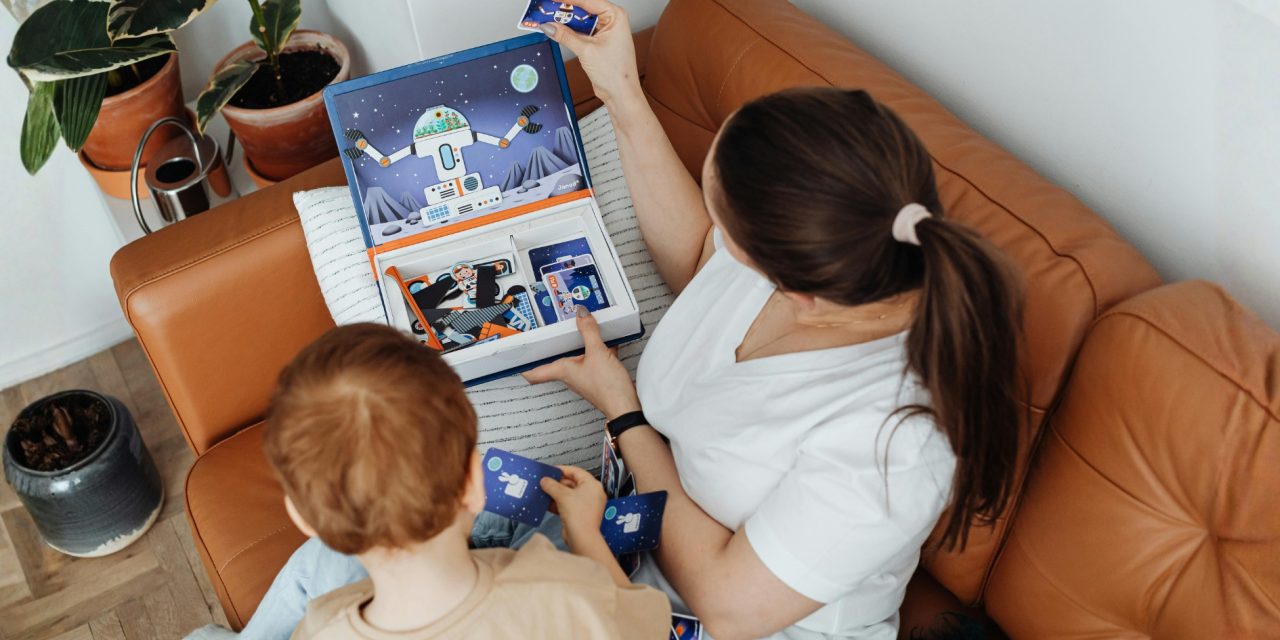
Some toys get played with once and forgotten. Others quietly become part of a child’s routine—the ones that mix curiosity, challenge, and just enough fun to keep kids coming back. The difference is not always obvious at first—but it shows up in how often a toy gets picked up again without being suggested.
That sweet spot is where educational toys shine. When learning feels like play instead of pressure, kids stay engaged longer, think more creatively, and build real skills through repetition and discovery. Instead of memorizing, they experiment. Instead of following steps, they explore—and that is where lasting learning actually happens.
Educational Toys That Spark Joy
The best learning toys do not feel like school—they feel like discovery. Instead of instructions alone, they invite experimentation, small failures, and those “wait, let me try again” moments that build real confidence.
Options like the Osmo Genius Starter Kit and GoldieBlox Zipline Action Figure stand out because they blend structure with creativity. One leans into interactive, screen-based problem solving, while the other pushes hands-on engineering using simple mechanics.
That balance matters. Kids are not just absorbing information—they are applying it. Whether solving puzzles, building systems, or testing ideas, they develop problem-solving skills in a way that feels natural and enjoyable.
Even better, many of these toys extend beyond their original purpose. A drawing app becomes a math tool. A zipline kit turns into a full DIY experiment with household objects. That flexibility is what keeps engagement high over time.
Why These Toys Keep Kids Coming Back
What separates a “good” toy from a lasting one is replay value. The toys listed below are not one-and-done—they evolve with how a child plays, offering new challenges as skills grow.
| Toy | Skill Developed | Research Backing | Age Range | ROI Metric |
| Osmo Genius ($70) | Spatial reasoning, math | Research suggests boosts in visual thinking | 5–10 | Repeated use builds logic over time |
| GoldieBlox Zipline ($20) | Engineering, persistence | Experts recommend for STEM confidence | 8+ | Encourages iterative design projects |
| Tegu Explorer Magnetic ($50) | Creativity, fine motor | Studies link magnetic play to imagination | 1–5 | Versatile for open-ended builds |
| ThinkFun Rush Hour ($20) | Logic, strategy | Research supports puzzle play for cognition | 8+ | Portable for daily brain workouts |
| Learning Resources Coding Critters ($30) | Coding basics, sequencing | Experts note early coding aids computation | 4–8 | Interactive stories extend engagement |
| SmartLab Toys Squishy Human Body ($25) | Anatomy knowledge, dexterity | Hands-on models aid retention per educators | 8+ | Dissectible parts for repeated exploration |
Making Learning Feel Like Play
There is a reason these toys work—they encourage doing, not just watching. Kids build, test, adjust, and repeat. That cycle strengthens both understanding and confidence.
Hybrid play adds another layer. Pairing digital tools with physical interaction—like using Osmo for drawing challenges or expanding a GoldieBlox build with home materials—turns simple play into creative exploration.
Safety and durability also play a role. Non-toxic materials and sturdy construction mean these toys can handle repeated use, which is exactly what you want when a child finds something they truly enjoy.
Wrap Up
Educational toys are most effective when they do not feel educational at all. When curiosity leads the way, learning follows naturally—and sticks.
The real win is not just skill-building. It is creating moments where kids feel excited to figure things out, solve problems, and explore new ideas on their own.
Which matters more in your home—a toy that teaches, or one your child actually wants to keep playing with?
Let us know in the comments, and keep discovering joyful, brain-boosting play ideas only at Marvelus Kids!