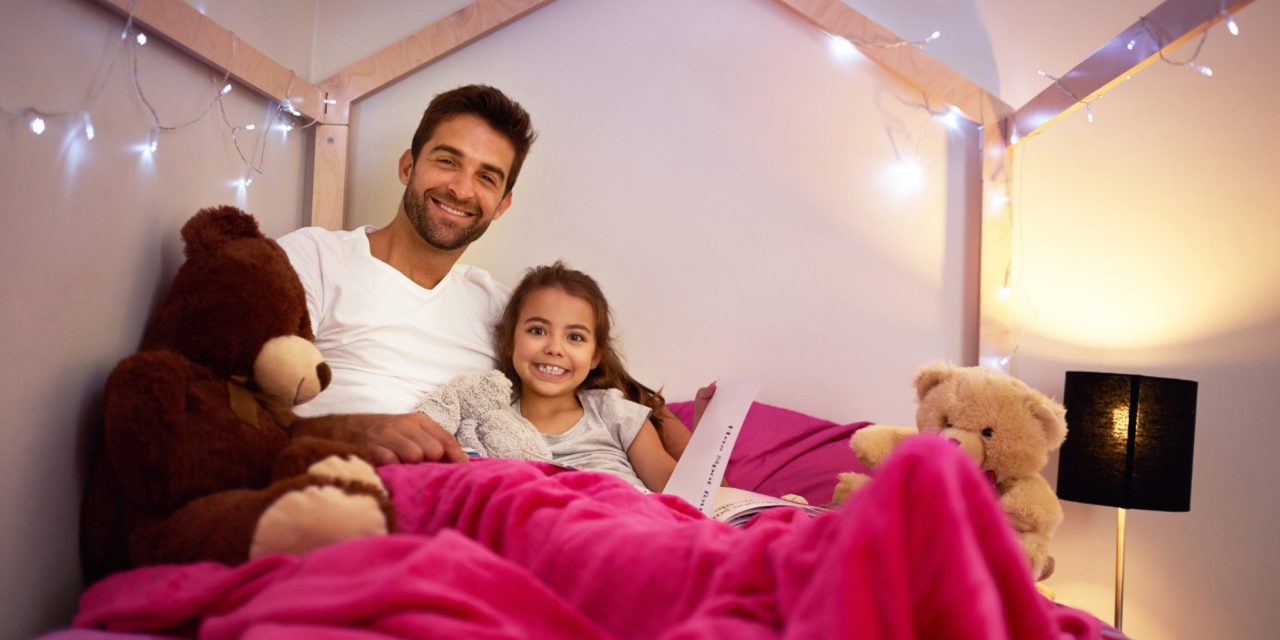
Picture this: your little one finally drifting off without nightly tears, negotiations, or surprise requests for water number five. Sounds dreamy, right? Bedtime battles drain parents fast, but consistent routines backed by pediatric sleep research make peaceful nights genuinely possible.
This guide focuses on what actually works. We’re breaking down proven bedtime books, practical tools parents rely on, and simple systems that reduce resistance without turning evenings into power struggles. No gimmicks. Just calm, repeatable wins.
Why Bedtime Battles Happen
Long bedtimes usually aren’t about defiance. They’re about overstimulation, unclear routines, or mismatched sleep expectations. According to pediatric sleep research, children thrive on predictability, especially during transitions like bedtime.
When routines change nightly or expectations shift, kids push back. Add overtiredness into the mix, and resistance skyrockets. That’s why consistent structure matters more than strict rules.
Parents who rely on the same cues each night—lighting, sound, timing, and sequence—report shorter bedtimes and fewer wake-ups. The goal isn’t perfection. It’s reliability.
Books That Help Build Better Sleep Habits
Parenting books don’t fix sleep on their own, but the right ones provide frameworks that actually translate into calmer evenings.
Precious Little Sleep by Alexis Dubief breaks down toddler sleep cycles in plain language. Parents appreciate its realistic tone and flexible strategies, especially when naps, regressions, or night wakings throw routines off. Many report reducing bedtime from over an hour to under thirty minutes.
The No-Cry Sleep Solution by Elizabeth Pantley focuses on gentle transitions rather than abrupt training. Techniques like gradual withdrawal and the pick-up-put-down method help children feel secure while learning to settle independently.
Healthy Sleep Habits, Happy Child by Marc Weissbluth explains circadian rhythms and sleep pressure in detail. Its emphasis on early bedtimes and consistent schedules helps parents understand why “pushing through” often backfires.
Pairing these resources with nightly read-alouds, like Goodnight Moon, reinforces emotional safety and signals that sleep is approaching.
Tools That Actually Reduce Bedtime Resistance
The right tools don’t replace routines. They support them.
A white noise machine helps block sudden sounds and creates a consistent sleep cue. Many parents pair it with a sleep sack to reduce nighttime wandering and maintain warmth without loose blankets.
Visual bedtime charts or sticker systems help younger children understand what comes next. Tasks like brushing teeth, pajamas, and potty time feel less negotiable when they’re part of a visible sequence.
A soft night light eases fear of the dark, while a familiar lovey or blanket supports emotional regulation during separation. These small comforts often prevent repeated calls after lights-out.
Some families swear by the bedtime pass system, where children receive one or two passes for extra hugs or water. Once the passes are used, bedtime stays firm. It adds structure without escalating tension.
Conclusion
Peaceful bedtimes aren’t about luck or having the “easy sleeper.” They’re built through clarity, consistency, and the right support tools working together. When parents understand why bedtime resistance happens and respond with steady routines, children feel safer letting go of the day.
The books and tools in this guide don’t promise overnight miracles, but they do create structure that compounds over time. Small changes—predictable cues, visual routines, and comfort supports—can dramatically shorten bedtime and reduce emotional friction. The real win isn’t just faster sleep. It’s calmer evenings for the entire household.
If calmer nights are possible without tears or power struggles, what could consistent sleep change for your family? Explore more parent-tested routines, tools, and practical guides only at Marvelus Kids!