Who says learning has to be tidy? Sometimes the best breakthroughs come with a little glitter in the carpet and sand between the pages. Sensory play isn’t just fun—it’s a proven way to enrich a child’s educational journey, spark curiosity, and build skills that last long after the paint dries.
By weaving sensory-friendly activities into everyday lessons, educators can create a learning environment where kids don’t just absorb facts—they feel, hear, squeeze, shake, and stomp their way through discovery.
Strategies for Integrating Sensory Play in the Classroom
Create Multi-Sensory Stations
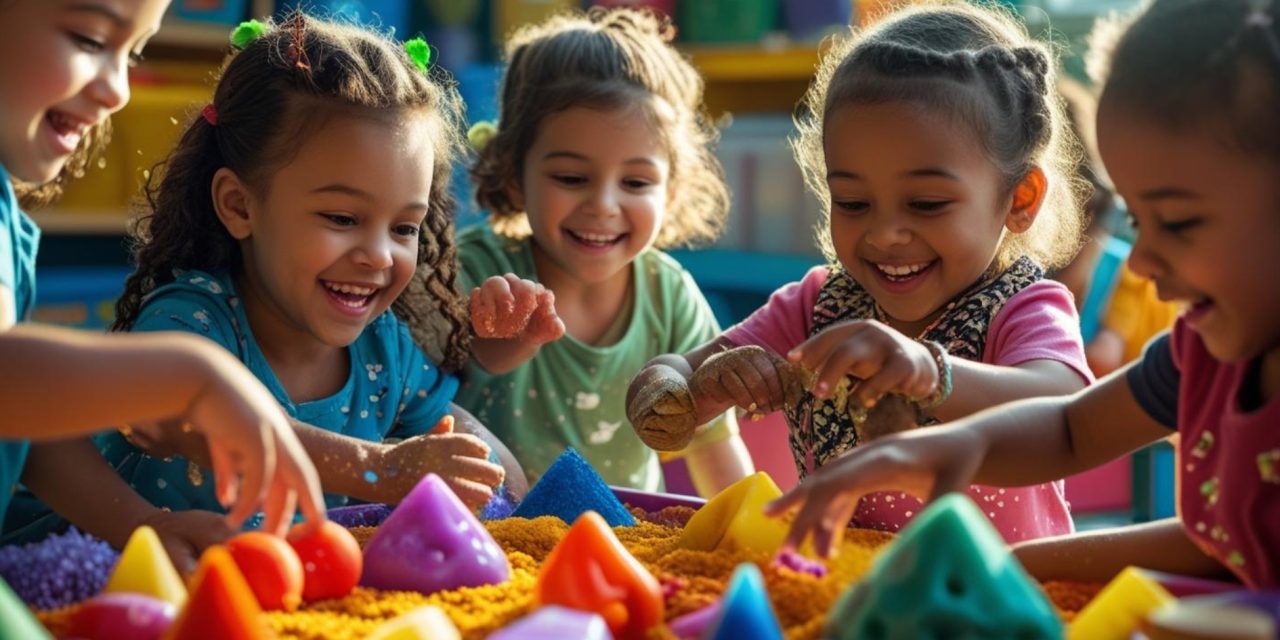
Establish designated sensory zones in the classroom that cater to different senses—think textured bins for touch, scent jars for smell, and musical corners for sound. These stations invite open-ended exploration and support students who learn best through tactile or auditory input.
Simple items like sand, rice, water beads, or kinetic foam can keep hands (and minds) engaged. Rotate materials regularly to keep curiosity alive.
Use Sensory Tools to Support Core Subjects
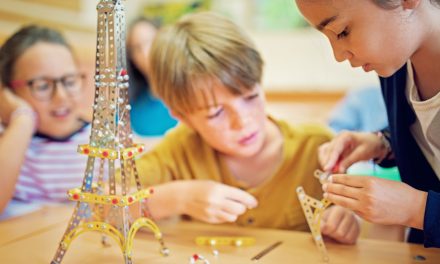
You can teach math with counting bears, shapes made of clay, or even scented markers for number writing. Reading time can become a sensory experience when paired with props, sound effects, or textured storyboards.
When kids feel the lesson—literally—they’re more likely to retain it. This is especially helpful for young learners or children with sensory integration needs.
Mix in Movement and Music
Sensory play isn’t limited to bins and textures—it includes movement, rhythm, and expression. Try integrating yoga poses during transitions, or rhythm sticks during circle time. These activities not only boost sensory engagement but also help regulate energy levels.
Movement helps children with focus and emotional regulation, while music taps into memory, mood, and motor coordination—all crucial for early development.
Blend Art and Nature
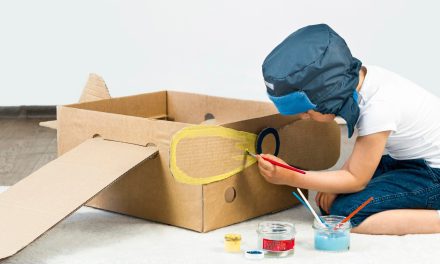
Offer opportunities for messy art using finger paints, natural materials like leaves or pinecones, or recycled goods for DIY crafts. Not only does this appeal to visual and tactile learners, but it also invites children to express their emotions and creativity freely.
Pair art with storytelling or role-playing games to boost language development and collaborative skills.
Final Thoughts
Sensory play isn’t just an add-on—it’s a gateway to deep learning, stronger engagement, and joyful discovery. When classrooms embrace sensory experiences, they become spaces where children feel safe to explore, express, and experiment.
Whether it’s squishing playdough during a math lesson or drumming out syllables with rhythm sticks, sensory integration adds layers of meaning to everyday education. Most importantly, it levels the playing field—giving every child, regardless of learning style, a chance to shine. With a bit of planning (and maybe a smock or two), educators can unlock whole new worlds for their students, one squish, splash, or sparkle at a time.
Want more ways to turn everyday learning into an adventure? Discover playful resources and child-centered learning tips at Marvelus Kids.