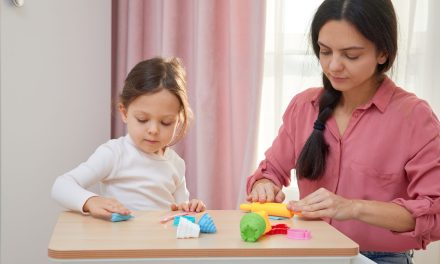
There’s something wildly satisfying about watching a child sink their hands into a tub of kinetic sand or enthusiastically pop every bubble on a fidget toy like it’s their full-time job. While these tactile toys might look like pure fun (and honestly, they are), they also serve a deeper purpose in early development.
From squishy balls to textured bins of rice, today’s trending sensory toys are doing some heavy lifting to boost creativity, fine motor skills, and inclusive play. And if you’ve ever stepped on a stray Pop-It barefoot, you already know they’re making an impact—literally and developmentally.
Exploring Popular Sensory Toys
Exploring popular sensory toys reveals a wide range of engaging materials that address the diverse needs of children. This includes sensory bins and tactile exploration tools that promote open-ended play. These sensory-friendly designs are meticulously crafted to enhance sensory experiences. This makes learning both enjoyable and effective.
Among the most sought-after options are kinetic sand and squishy stress balls. These provide satisfying tactile feedback while fostering the development of fine motor skills.
Textured sensory bins filled with rice, beans, or water beads present opportunities for discovery and imaginative play. They achieve this by encouraging children to engage with a variety of textures.
Fidget spinners and pop-its have also gained traction as portable tools that assist children in focusing and engaging their senses. By integrating these toys into daily routines, caregivers can cultivate an environment that:
- Supports sensory development
- Stimulates creativity
- Facilitates children’s ability to process their surroundings effectively
DIY Options for Budget-Friendly Play
DIY options for budget-friendly play present valuable opportunities for parents and educators to engage children in sensory experiences without spending a fortune. These DIY sensory projects can be tailored to foster curiosity and promote interactive play by utilising sensory-friendly materials.
Incorporating everyday items such as rice, beans, and pasta into hands-on activities enables caregivers to create vibrant sensory bins. Such items are sure to capture the interest of young learners. And thankfully, these materials are cost-effective and versatile, offering a diverse array of textures and colors.
Simple kits can be assembled at home, including items such as fabric scraps, feathers, and water beads. These are particularly effective for stimulating tactile and visual exploration.
Engaging in sensory play enhances developmental skills. Plus, it supports cognitive function while providing a secure environment for imaginative learning.
Final Thoughts
Tactile toys are more than a trend—they’re a meaningful bridge between fun and foundational learning. By inviting kids to touch, squeeze, squish, and explore, we empower them to develop key skills in a safe and engaging way.
These tools support inclusive education by addressing diverse sensory needs and encouraging curiosity and collaboration. Whether store-bought or homemade, sensory toys are proving that sometimes the best learning happens when little hands are a little messy.
What’s your child’s favorite tactile toy—and have you tried making one at home? For more playful learning ideas and hands-on activities, head over to Marvelus Kids!