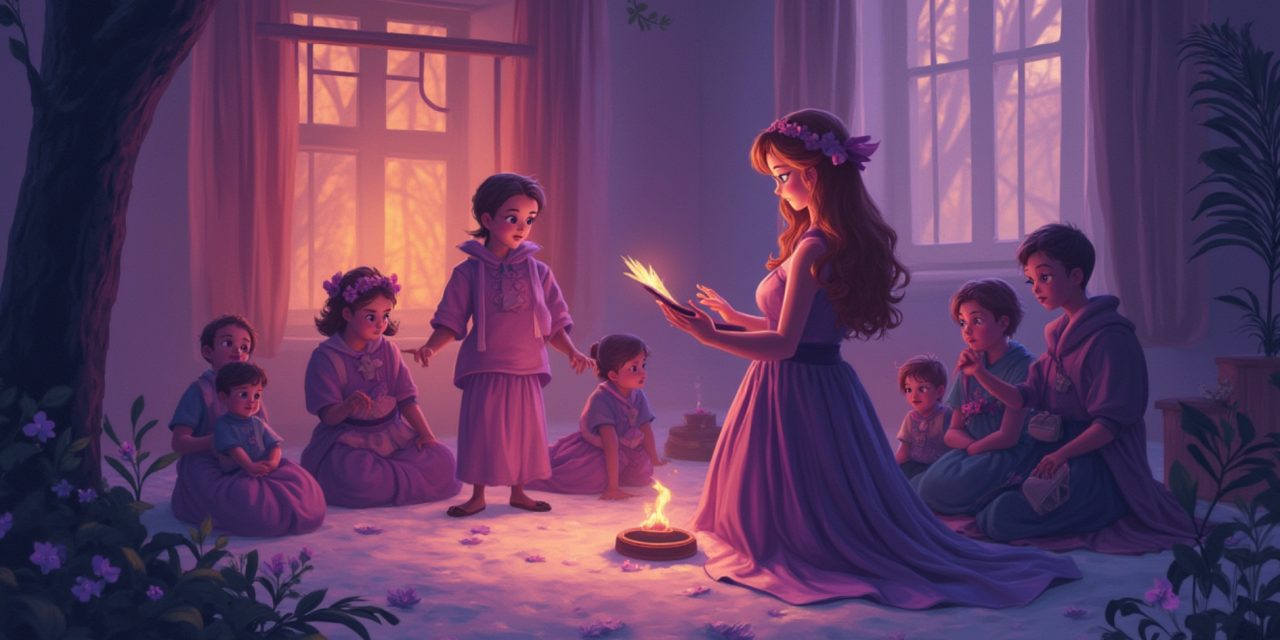
Once upon a time, storytime was a sacred ritual — dim lights, fuzzy blankets, and a dog-eared book that smelled vaguely like crayons and cookies. Fast-forward to today, and storytelling has entered its digital renaissance. Now, books can bark, sparkle, moo, and sometimes even correct your pronunciation. Children’s literature has evolved from quiet corners to glowing screens, and it’s not just bells and whistles — it’s brain food in 4D.
Research shows that interactive storytelling can boost comprehension, engagement, and vocabulary retention. With sound effects, animations, and even augmented reality, kids aren’t just reading — they’re participating. Storytime has become a multisensory experience that caters to various learning styles and keeps attention spans from drifting into outer space.
Traditional books still hold their timeless charm — no charging cables required — but interactive books are rewriting the rules of engagement. And honestly? We’re here for the plot twist.
Traditional Books vs. Interactive Books
Traditional books have long served as the foundation of children’s literature, offering a physical narrative experience. In contrast, interactive books have transformed this experience by incorporating various interactive elements, such as tactile feedback, sound effects, and digital interaction, to create a more engaging reading environment.
This transition toward interactive e-books has significantly changed how young readers engage with stories. In fact, it makes the learning process more dynamic and enjoyable. Unlike static pages that necessitate solitary focus, interactive formats invite children to touch, swipe, and explore. This automatically captures their attention through sensory experiences.
Integrating multimedia components, including animations and sounds stimulates curiosity and enhances comprehension. It enables readers to connect with the material on multiple levels.
This enriched interaction promotes creativity, accommodates diverse learning styles, and ultimately fosters a deeper appreciation for reading. In the end, this enhances literacy development in ways that traditional books may not achieve.
Wrap Up
Storytime has gone from hush-hush to high-tech, blending nostalgia with innovation to keep kids hooked on stories. While paperbacks provide comfort and calm, digital books spark new dimensions of creativity. Both serve the same magical purpose — nurturing a love for reading. Only now, one of them occasionally meows. Long live both kingdoms of storytelling — the silent and the snazzy.
Which do your kids prefer: the flip of a page or the swipe of a screen? Share your favorite format in the comments below! Discover interactive storytelling ideas at Marvelus Kids!