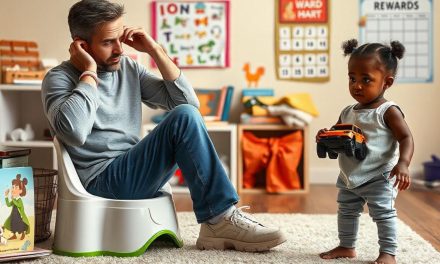
If you’ve ever witnessed a toddler losing it over a cookie that’s “taking too long” in the oven, you already understand the urgent need for patience training. While it might not be as glamorous as learning a musical instrument or riding a bike, developing patience is one of the most valuable life skills a child can master. It’s like giving them a lifelong buffer against frustration, meltdowns, and impulse decisions. Plus, it makes playdates infinitely more manageable.
Teaching patience doesn’t mean turning your home into a Zen monastery. It simply involves creating moments where children can learn to wait, reflect, and respond thoughtfully, without the theatrics of a soap opera. Let’s explore how to build this gentle but mighty skill with fun, practical strategies.
Games and Strategies for Building Patience
Games that focus on turn-taking, strategy, and teamwork are patience goldmines. Think of board games like Snail’s Pace Race or Outfoxed!—they’re cute, cooperative, and just slow enough to build tolerance. Even good ol’ classics like chess or Uno help kids learn how to wait for their turn, plan ahead, and handle loss gracefully (well, most of the time).
Gardening with your child teaches delayed gratification in the sweetest way: you plant a seed, care for it, and—eventually—get a sunflower or a tomato. Group cooking activities work similarly, especially if the reward is edible. Outdoor challenges like scavenger hunts or simple obstacle courses also instill patience as kids navigate setbacks and teamwork dynamics. Through these experiences, they naturally learn to slow down and persist.
Everyday Moments That Build Patience
You don’t need elaborate games or Pinterest-perfect crafts to teach patience. In fact, some of the best opportunities come during life’s most ordinary moments. For instance, think about waiting in line at the grocery store or sitting through a traffic jam that feels eternal (especially with a backseat chorus of “Are we there yet?”).
Use these moments intentionally. For example, set small challenges: “Let’s see how many red things we can spot before the line moves,” or “Can you hum your favorite song until the microwave beeps?” These mini mindfulness exercises redirect their attention and teach that waiting can be creative.
Mealtimes can be another golden opportunity. Involve your child in meal prep and let them do simple tasks while you cook. Waiting for dinner teaches delayed gratification naturally, and sharing the work helps them appreciate the outcome more. Even bedtime routines offer space for practicing patience, especially when winding down with a story or prayer before lights out.
Conclusion
Patience is not just a virtue; it’s a toolset that helps children manage emotions, face challenges with grace, and become kinder humans. From strategy games to shared chores, every experience that requires a pause is shaping their ability to persevere in the long run. And when kids learn to wait without falling apart? That’s a parenting win worth savoring—cookie or no cookie.
What’s one simple activity you’ve tried—or want to try—that helped your child practice patience? Share your experience or discover more playful parenting tips at Marvelus Kids.