Think lunchtime is just about sandwiches and juice boxes? Think again. That midday meal can also be a surprising gateway to building strong math skills, without pulling out a single worksheet. With a little creativity, lunchtime becomes the perfect setting to sharpen numeracy through play, puzzles, and everyday observations.
By weaving math into the rhythm of the day, especially during meals, you create an inviting space where learning feels natural. Plus, math games offer a subtle but powerful boost to cognitive development and critical thinking—all while ketchup stains dry and juice boxes disappear.
Serving Up Numbers with Every Bite
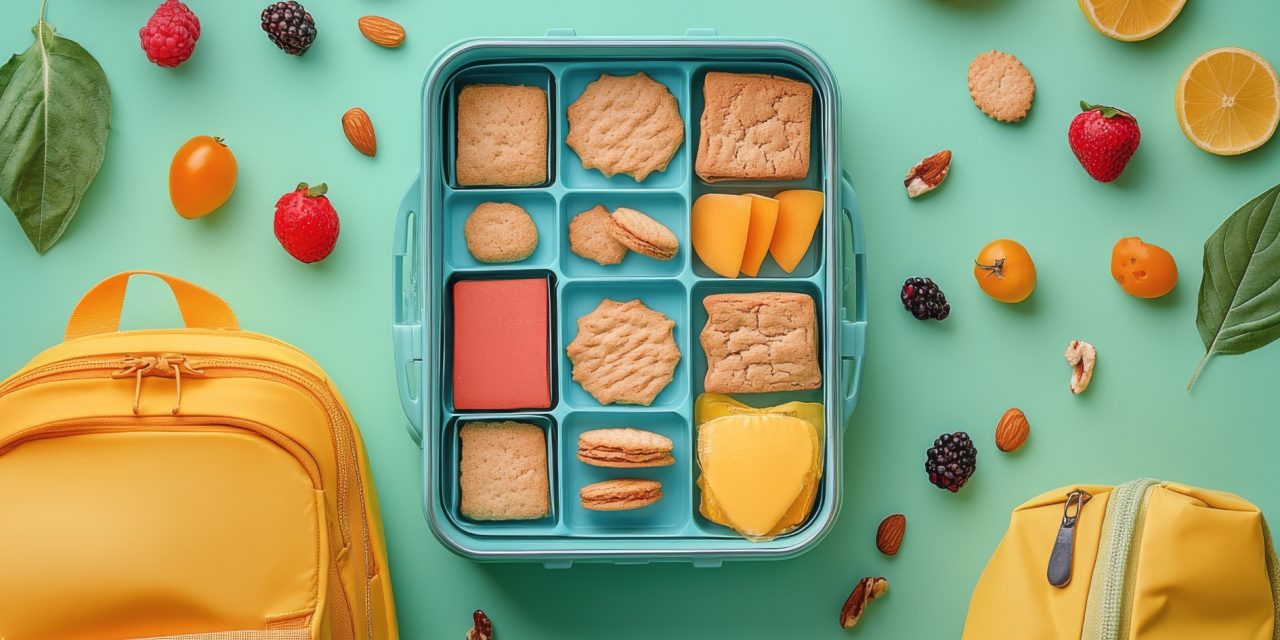
Incorporating math into lunch doesn’t require fancy tools—just your food and a curious mind. Something as simple as dividing a sandwich into halves and quarters teaches fractions. Counting out carrot sticks or crackers helps younger children with basic number recognition and skip counting.
Sorting snacks by color, shape, or size can encourage classification skills, while comparing snack sizes or quantities introduces foundational measurement concepts. Even older kids can get involved through challenges like:
- Estimating calorie counts
- Comparing food weights
- Converting measurements
Quick Games That Spark Thinking
Lunchtime is a golden window for brain-boosting games that don’t interrupt the fun. Try games like:
- “Guess the Total”: Ask your child to estimate how many grapes are in their container, then count together.
- “Equal Exchange”: Turn snack swaps into math moments—“You give me 2 pretzels, and I’ll give you 4 raisins. Is that fair?”
- “Shape Spotting”: Name the shapes of the food items or containers on the table.
These small challenges fuel engagement while strengthening problem-solving and logical reasoning, without any pressure or performance anxiety.
Creating a Culture of Curiosity
Embedding math in everyday routines, like lunchtime, encourages kids to view numbers as part of life, not just something they face on a worksheet. It also gives parents and educators a chance to model curiosity, persistence, and even joy when solving small challenges.
That culture of curiosity helps children grow into confident learners who aren’t afraid of math but embrace it as a tool for exploration.
Conclusion
Lunchtime math isn’t about drilling—it’s about discovery. When kids explore shapes, fractions, patterns, and estimates in a relaxed setting, they form positive, lasting associations with math. It’s these bite-sized moments that build a strong foundation for future learning.
And the best part? You’re helping your child grow without adding anything new to the schedule, just adding intention to the meal.
What’s one food-based math challenge your child could try this week? For more creative ways to blend learning and play, visit Marvelus Kids—where everyday routines become opportunities for imagination, connection, and growth.