After a busy school day filled with lessons, noise, and social interactions, many children need a quiet moment to reset. Just like adults enjoy relaxing after work, kids benefit from having a dedicated place where they can slow down and recharge.
Creating a calm corner or unwind space at home helps children transition smoothly from school mode to home life. These spaces encourage relaxation, emotional regulation, and quiet play while reducing overstimulation.
The good news is that building a calming area does not require a full room or expensive furniture. With a few simple items and thoughtful design, any small corner can become a peaceful retreat where children naturally gravitate when they need a moment to breathe.
Designing a Simple Calm Corner
A calm corner works best when it feels comfortable, inviting, and free from distractions. Soft textures, warm lighting, and quiet activities help children relax and settle their minds after the school day.
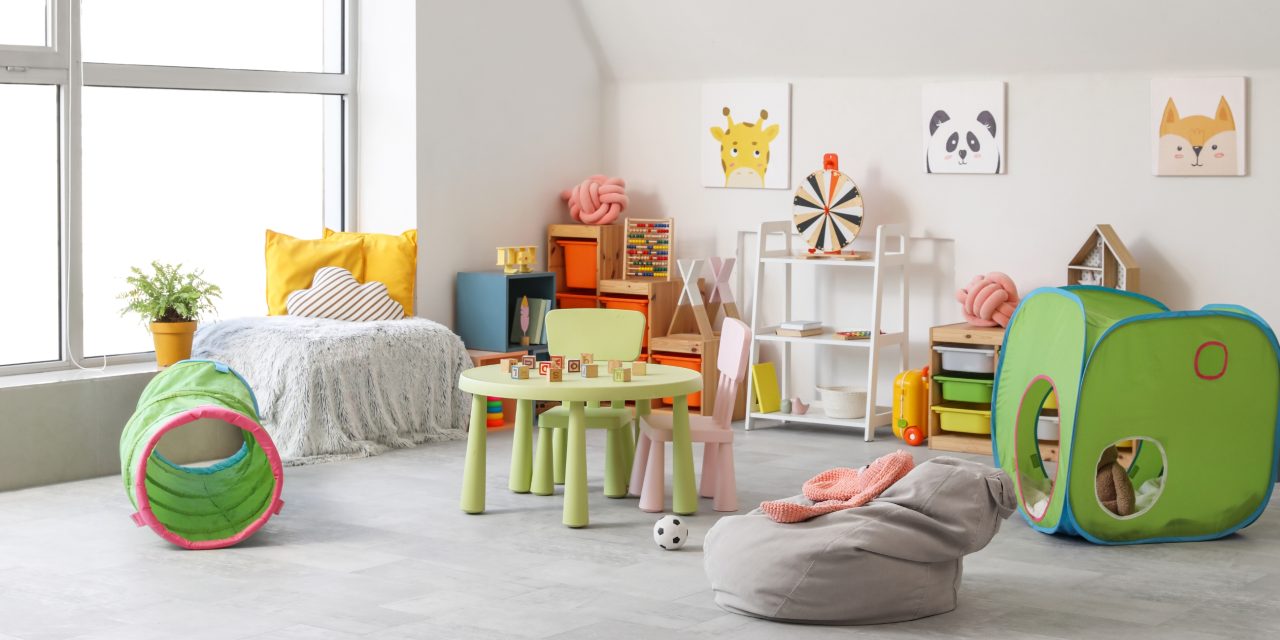
Parents often find that even a small area can become a powerful decompression zone when designed intentionally. A soft rug, gentle lighting, and a few calming tools can transform an unused corner into a relaxing space for quiet play and reflection.
DIY Calm Corner Checklist
You can build an effective unwind space with a few affordable essentials:
- Floor cushions for comfortable seating
- Fairy lights or soft lamps for gentle lighting
- Noise-canceling headphones for quiet time
- A fidget basket with calming toys
- A visual timer to help with transitions
These items encourage children to slow down, breathe, and engage in low-energy activities after school.
Layout Idea
Imagine a 4×6 foot rug anchoring the space. Place cushions on the rug and hang wall pockets nearby to store calming supplies like fidgets, journals, or small toys.
Add a soothing visual element such as a lava lamp or soft light to create a relaxing atmosphere. When arranged thoughtfully, this small space becomes a welcoming spot for kids to decompress after dropping their backpacks.
Sensory Zone Elements
Sensory tools help children regulate their emotions by engaging touch, sight, and movement. These items are especially helpful after long school days when kids may feel overstimulated.
A well-designed sensory corner might include:
- soft floor cushions for relaxing
- battery-powered fairy lights for a cozy glow
- noise-canceling headphones for quiet moments
- a basket filled with fidget toys or stress balls
- a visual timer to guide calm-down time
- a lava lamp or soft light for gentle visual focus
- a weighted blanket for deep pressure comfort
Arranging these items neatly around the rug makes the space feel organized while encouraging gentle sensory play.
Children can explore fidgets, relax quietly, or simply sit and breathe in this soothing environment.
Montessori Peace Table Adaptation
Another helpful addition to a calm space is a peace table, inspired by the teaching philosophy of Maria Montessori.
A Montessori peace table is a small area where children can pause, calm down, and reflect on their emotions.
For children ages 3–8, this space might include:
- a soft cloth or mat
- a simple feelings chart or emotions wheel
- two small stuffed animals for role-play conversations
- a visual timer
- cards showing calming activities such as breathing exercises or yoga poses
Parents can gently guide children to visit the peace table when they feel overwhelmed or frustrated. Over time, this routine helps kids develop healthy emotional regulation habits.
Placing the peace table near the calm corner rug makes it easy for children to access when they need a moment of quiet.
Soft music or white noise can further enhance the relaxing atmosphere.
Conclusion
A thoughtfully designed unwind space can make a big difference in helping children transition from school to home life. Calm corners provide a safe and comforting place where kids can relax, regulate emotions, and enjoy quiet activities.
By combining cozy textures, sensory tools, and simple mindfulness practices, parents can create a peaceful retreat that supports emotional well-being and relaxation.
Sometimes, all it takes is a small corner and a few calming elements to help children recharge after a busy day.
Looking for more ways to support your child’s emotional well-being at home? Discover more family inspiration and parenting ideas at Marvelus Kids.