Ever notice how a toy can steal the spotlight on Christmas morning, then quietly retire to the corner before New Year’s? If that sounds familiar, you’re in good company. Research from the Toy Association shows that many popular gifts lose traction far sooner than parents expect.
This guide focuses on gifts that stick. We’ll break down why kids forget toys so quickly, what design flaws cause early boredom, and how to choose age-appropriate, durable options—from preschool puzzles to tween-friendly tech, creative kits, outdoor gear, and educational favorites that earn repeat play.
Why Kids Forget Gifts So Quickly
Toys with thousands of five-star reviews often share the same fate: abandonment within a few months. Parents frequently report this with mass-produced plastic toys that crack, malfunction, or lose their novelty almost immediately.
Research on play engagement suggests kids disengage faster when toys lack depth. Battery failures, fragile parts, and one-note functionality shorten a toy’s lifespan, turning exciting gifts into cluttered reminders of short-lived hype.
Another common issue is passive play. Screen-heavy toys without interaction controls encourage brief excitement followed by boredom. Without challenge, creativity, or progression, kids simply move on.
In contrast, parents consistently report longer engagement with toys that invite imagination, problem-solving, or physical activity. Materials matter too. Well-built wooden toys, open-ended kits, and outdoor play equipment tend to earn repeat use long after the wrapping paper is gone.
Common Gift Pitfalls to Avoid
Some toy disappointments are predictable. Single-use gadgets, like trend-driven fidget toys, often break or lose appeal quickly. Past Consumer Product Safety Commission recalls have also flagged small parts and durability issues in similar products.
Battery-dependent toys are another frequent frustration. Once the power fades, so does the fun. Simple mechanical alternatives—pull-along toys, hand-crank music boxes, or build-and-play sets—keep kids engaged without relying on chargers or replacements.
Cheap plastics are a red flag. They crack, feel disposable, and rarely survive active play. FSC-certified wooden toys, puzzles, and blocks offer safer materials and better longevity, especially for younger kids.
Screen-heavy toys deserve careful consideration. Some guided-learning tablets provide structure, but open-ended hybrids that combine physical pieces with digital play often offer deeper engagement. The key difference is interaction, not just screen time.
Age mislabeling is another silent issue. Toys that overwhelm younger kids or bore older ones are quickly ignored. Checking safety standards and developmental fit matters more than flashy packaging.
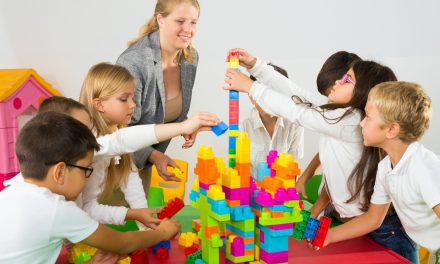
Finally, novelty rarely equals value. Toys built around quick hype fade fast, while open-ended options—art supplies, magnetic tiles, board games, and STEM kits—invite creativity, adaptability, and family play over time.
Choosing Gifts That Last
Memorable gifts aren’t about trends. They’re about durability, flexibility, and how a child grows with the toy. The best options encourage imagination, challenge skills, and invite repeat play across months, not days.
When parents prioritize quality materials, age-appropriate design, and open-ended use, gifts stop being seasonal distractions and start becoming part of everyday play.
Which gift in your home still gets played with months later—and why do you think it stuck? Explore more thoughtful, long-lasting gift ideas on Marvelus Kids, where we help parents choose toys that grow with their children.