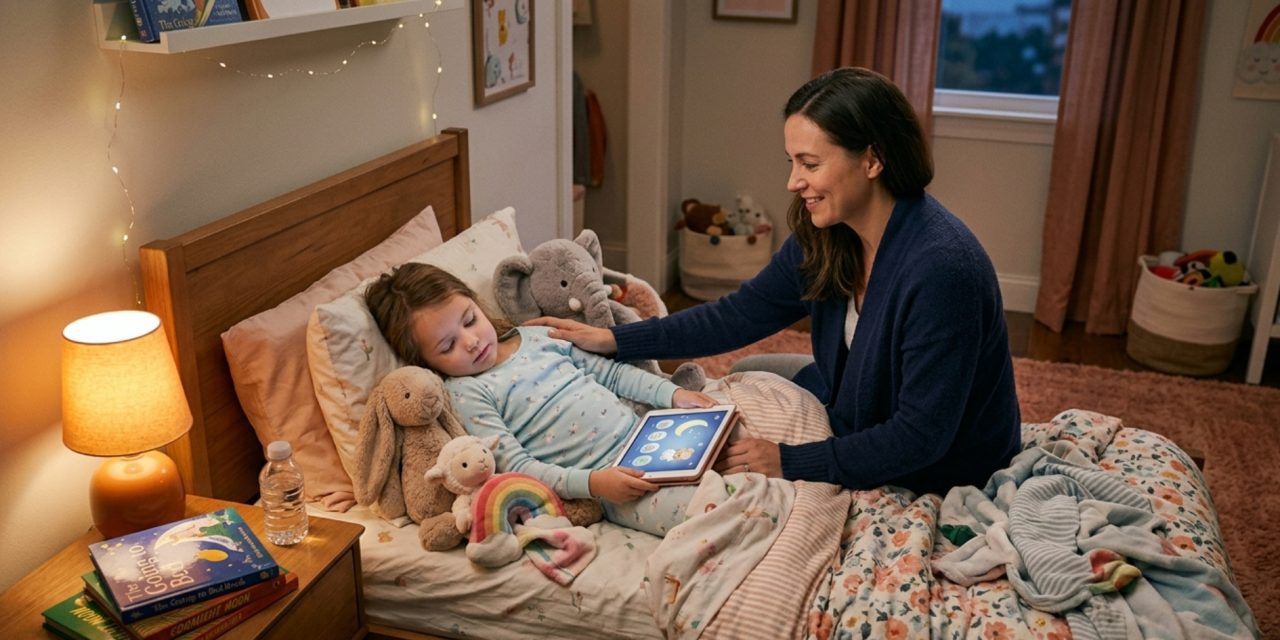
Bedtime can feel like a full-blown negotiation—one more story, one more drink of water, one more reason to stay awake. But what if a little tech could quietly step in and make things smoother?
The good news is, today’s sleep apps aren’t just about tracking—they’re designed to support routines, reduce resistance, and help kids wind down naturally. Used well, they don’t replace parenting—they reinforce it.
Here’s how these digital tools are helping families turn chaotic evenings into calmer, more predictable nights.
Why Sleep Apps Are Becoming a Parent’s Secret Weapon
Modern sleep apps go beyond timers and alarms. They combine data, gentle guidance, and kid-friendly features to make bedtime feel less forced and more natural.
One standout is Huckleberry, known for its AI-powered sleep predictions. It helps parents identify the best sleep windows, reducing overtiredness (which, let’s be honest, is often the real bedtime villain).
Other apps bring their own strengths. Sleep Cycle uses smart alarms to wake kids more gently, while Calm Kids focuses on soothing stories that help toddlers relax without a struggle.
The goal isn’t perfection—it’s consistency. And consistency is what makes bedtime easier over time.
What Makes These Apps Actually Work
The real magic is how these tools blend structure with flexibility. They help parents guide routines without making bedtime feel rigid or stressful.
- Predictive timing reduces guesswork around naps and bedtime
- Soothing content (like stories or lullabies) helps kids wind down naturally
- Routine tracking builds habits that kids begin to expect
- Gentle transitions make it easier to move from playtime to sleep time
When paired with simple offline habits—like dim lighting, quiet time, or a favorite blanket—these apps become even more effective.
Top Sleep Apps at a Glance
| App | Price | Key Feature | Best For | Rating |
| Huckleberry | Free/$15mo | AI sleep predictions | Babies 0–5 yrs | 4.8 |
| Sleep Cycle | Free/$40yr | Smart alarm | School age | 4.7 |
| Calm Kids | $60yr | Sleep stories | Toddlers | 4.6 |
| Bedtime Tracker | Free | Routine timer | All ages | 4.5 |
| Dreamland | $5/mo | Lullabies | Newborns | 4.4 |
Making the Most of Digital Sleep Tools
The best approach is to start simple. Try a free version first and see what fits your child’s personality and your routine.
Apps work best when they support—not replace—your bedtime rhythm. That might look like:
- Logging sleep patterns for a week to spot trends
- Using a story or lullaby as a nightly signal to wind down
- Gradually building a routine your child recognizes and feels safe in
And once the routine is set, screens can step back while the habit stays strong.
Conclusion
Sleep apps won’t magically eliminate every bedtime challenge—but they can make a real difference. By combining gentle guidance with practical tools, they help parents create routines that feel calmer, more predictable, and easier to maintain.
Over time, those small improvements add up to something every family wants: better rest, smoother evenings, and a lot less bedtime stress.
Ever had one of those nights where bedtime just… clicks and everything feels easier?
Discover more simple, feel-good parenting wins like that on Marvelus Kids.