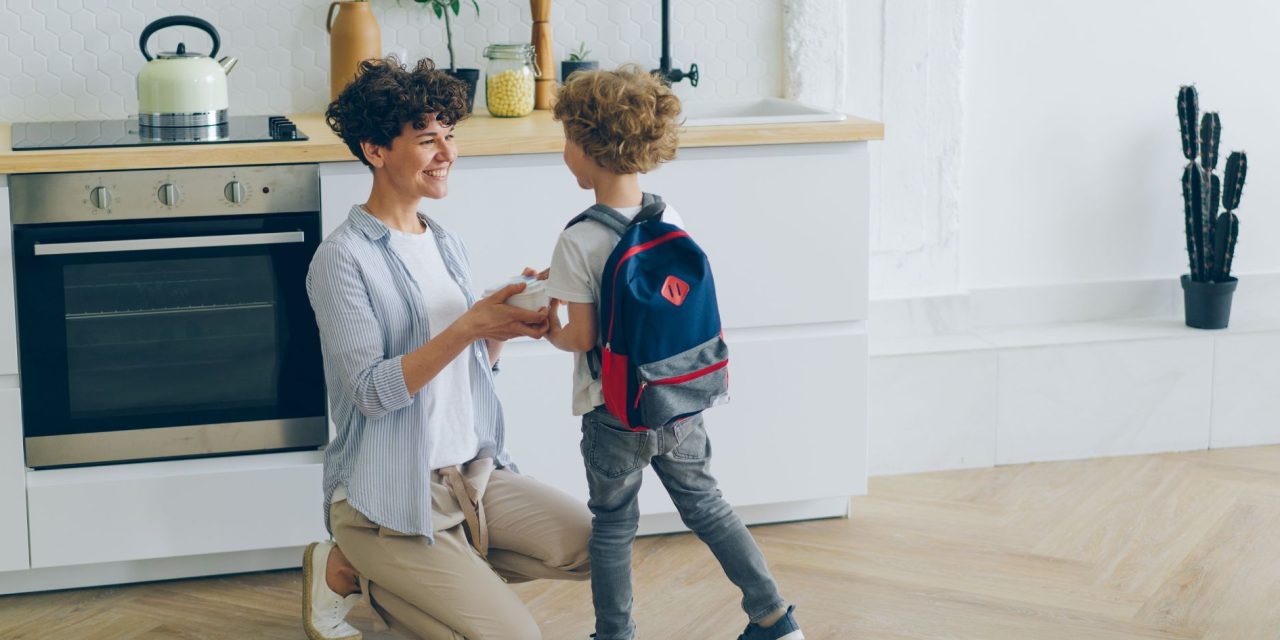
Somehow, the hardest part of the school day isn’t always at school.
It’s the moment your child walks through the front door.
Backpacks hit the floor. Shoes disappear into another dimension. Someone is suddenly starving, another insists they’re “not tired” despite looking ready to nap standing up, and homework hasn’t even entered the conversation yet. It’s a small window of time that can quietly determine how the rest of the evening unfolds.
The good news? It doesn’t take an hour to reset after school. It takes intention.
A simple 15-minute after-school reset helps children transition from the structure and stimulation of school into the slower rhythm of home. Rather than expecting them to switch gears instantly, this routine gradually resets their body, mind, and emotions—making homework, dinner, and bedtime noticeably smoother.
Create a Simple Arrival Ritual
Children thrive on predictable routines, especially during transitions.
Instead of letting everyone drift into the house differently each day, create a short arrival sequence they can follow automatically. The goal isn’t perfection. It’s removing dozens of tiny decisions that often create unnecessary stress.
A simple routine might look like this:
- Hang up the coat.
- Place shoes on the tray.
- Hang the backpack.
- Put lunch containers in the kitchen.
- Wash hands.
Keeping each step in the same order every afternoon helps the brain recognise that school is over and home life has begun.
A small three-minute sand timer can even turn the routine into a fun challenge rather than another chore.
Over time, these small habits reduce clutter at the front door while creating a calm starting point for the rest of the evening.
Reset the Body Before Anything Else
Many children walk through the door mentally exhausted but physically unsettled.
Before homework begins, give their body a chance to reset.
Start with a healthy snack that combines protein and complex carbohydrates, followed by a full bottle of water. This simple combination helps restore energy levels without causing the sugar crash that often appears later in the afternoon.
Families can make this even easier by preparing grab-and-go snack boxes at the beginning of the week. Cheese and whole-grain crackers, Greek yogurt with fruit, or apple slices with peanut butter all make excellent options.
Hydration matters just as much.
Even mild dehydration can affect concentration, mood, and energy. Keeping a refill station ready encourages children to drink before moving on to the next activity.
A Quick Change of Clothes Signals “Home Mode”
Adults often change into something more comfortable after work.
Children appreciate the same opportunity.
Changing out of school clothes into comfortable “home clothes” creates a surprisingly powerful mental shift. It tells the brain that one part of the day has ended, and another is beginning.
Pair the clothing change with a quick face wash, fresh socks, and two slow, deep breaths.
The entire routine takes only a couple of minutes, but it helps children feel refreshed rather than carrying the school day with them for the rest of the evening.
Let Their Minds Slow Down
School demands constant attention.
Children spend hours listening, remembering instructions, solving problems, interacting with classmates, and managing emotions. They often arrive home carrying far more mental noise than adults realise.
Instead of moving straight into homework, allow a few minutes for genuine decompression.
Simple breathing exercises work remarkably well. Slow breaths help shift the body out of “go, go, go” mode and into a calmer state that’s better suited for learning later in the evening.
Afterwards, invite your child to answer a single journal prompt.
Questions such as:
- What made you smile today?
- What felt difficult today?
- What’s one thing you’re proud of?
are enough to help children process the day without feeling like they’re writing an essay.
One thoughtful sentence is often all it takes.
Keep the First Few Minutes Screen-Free
When children arrive home, it’s tempting for everyone—including adults—to reach for a screen.
Creating a short screen-free window first allows the brain to settle before introducing more stimulation.
A simple basket near the entrance gives phones, tablets, and school devices a temporary home while the reset routine takes place.
Instead of scrolling, children spend these few minutes eating their snack, hydrating, changing clothes, and completing their breathing or journaling routine.
Surprisingly, many families discover that those first ten screen-free minutes completely change the tone of the evening.
The transition feels slower.
Conversations happen more naturally.
And homework becomes far less of a battle because children have already had time to mentally recharge.
Small Changes, Calmer Evenings
The beauty of the 15-minute after-school reset is that it doesn’t ask families to overhaul their entire evening. Instead, it focuses on one of the most overlooked parts of the day: the transition between school and home.
When children have a predictable routine that helps them unpack physically, mentally, and emotionally, they’re far more prepared for everything that follows. Homework becomes less of a battle, dinner feels less rushed, and bedtime arrives with fewer frustrations because everyone has had the chance to reset instead of carrying the day’s stress into the evening.
Looking for more practical ways to make family life easier? Explore more parenting ideas, routines, and everyday learning inspiration on Marvelus Kids.