Some toys get played with for five minutes and forgotten. Others quietly become part of a child’s daily routine, especially the ones that help them feel calm, focused, and in control. Sensory toys tend to fall into that second category.
They may look simple on the surface, but they serve a deeper purpose. This piece explores how popular sensory toys and play support development, and how parents can use them intentionally to encourage both play and emotional balance.
Everyday Sensory Toys That Make a Difference
Sensory toys work by engaging touch, sight, and sometimes sound, helping children regulate emotions and stay focused. They are especially useful during transitions, quiet time, or moments of overwhelm.
Some of the most widely used options include:
- Squishmallows
Soft, huggable plush toys that provide comfort and emotional security. They are easy to clean and suitable for a wide age range. - Pop It Fidget
A simple but effective tactile toy where kids press bubbles repeatedly. It supports focus and is widely used for calming routines. - Kinetic Sand
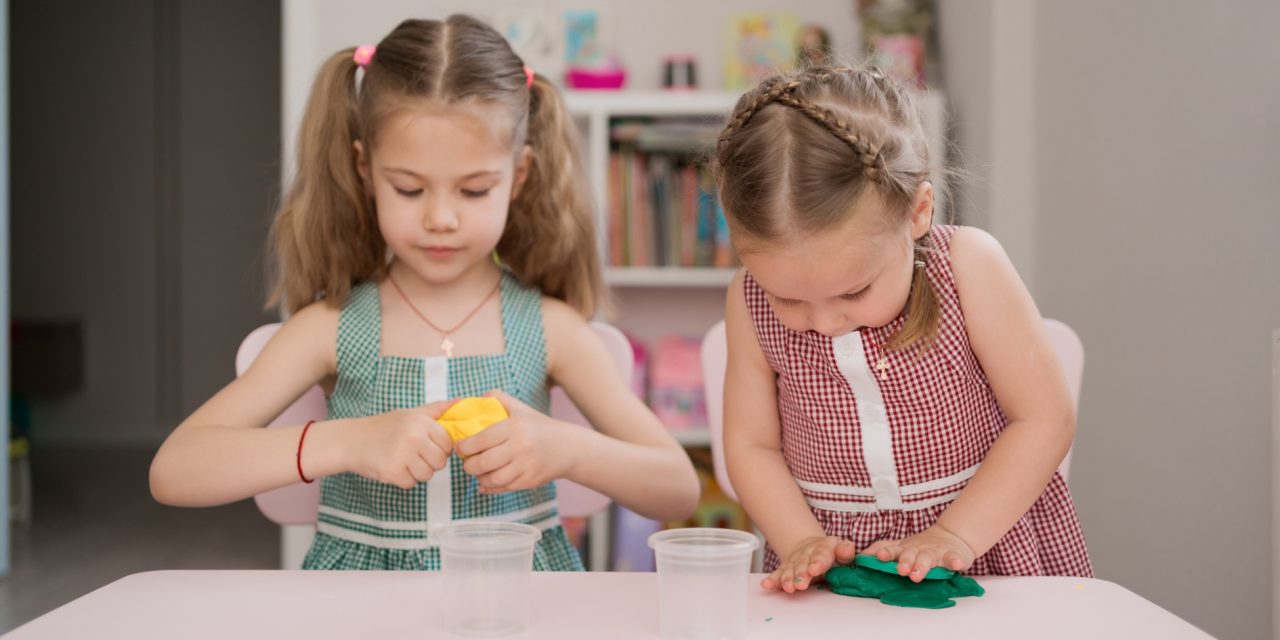
Moldable, mess-controlled sand that encourages creativity while strengthening fine motor skills. - Orbeez
Soft, hydrated beads often used in sensory bins for texture exploration and imaginative play. - NeeDoh
Squishy stress balls that return to shape, ideal for repetitive squeezing and stress relief. - Sensory sacks
Fabric-based cocoon-style tools that provide deep pressure, helping some children feel grounded and secure.
| Toy | Price Range | Key Features |
| Squishmallows | $15–40 | Emotional comfort, machine-washable |
| Pop It Fidget | $6 | Tactile, reusable popping |
| Kinetic Sand | $18 | Moldable, low-mess |
| Orbeez | $20 | Water beads, sensory bins |
| NeeDoh | $7 | Durable, stress relief |
| Sensory Sacks | $35 | Calming pressure |
These toys are popular for a reason. They are simple, reusable, and support both play and regulation without screens.
Choosing the Right Toy for Each Stage
Not every sensory toy works the same for every child. Age and development level play a big role in how effective they are.
Younger children often respond best to soft textures and simple interactions, while older kids may prefer toys that involve more movement or variation.
A few general guidelines:
- Ages 3+: Simple tactile toys like Pop Its and Kinetic Sand
- Preschool: Sensory bins and soft plush toys for comfort and exploration
- Older kids: Stress balls, textured tools, and more interactive designs
Safety also matters. Always check labels for small parts and ensure toys meet basic safety standards. When chosen carefully, these tools become reliable, everyday supports rather than occasional distractions.
DIY Sensory Play at Home
You do not always need to buy new toys to create meaningful sensory experiences. A simple DIY setup can be just as effective.
A basic sensory bin can be made using:
- Uncooked rice as a base
- Hydrated Orbeez for texture contrast
- Scoops, cups, or small toys for interaction
Kids can dig, pour, sort, and hide objects, building both fine motor skills and imagination. The setup is flexible and easy to refresh by changing colors or adding new elements.
This kind of play encourages longer engagement and creates opportunities for shared moments between parents and children.
Conclusion
Sensory toys are more than just a trend. When used intentionally, they support emotional regulation, focus, and hands-on learning in a way that feels natural to children.
Whether through simple fidget tools or creative DIY setups, these experiences help build skills that go beyond playtime. Over time, they become part of how children learn to explore, calm themselves, and engage with the world around them.
What’s one simple toy your child keeps going back to when they need to calm down or focus?
Share it in the comments and keep discovering play that truly supports development with Marvelus Kids, where every little moment helps your child grow.