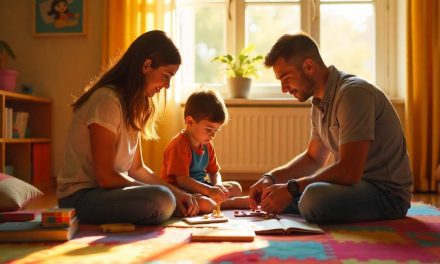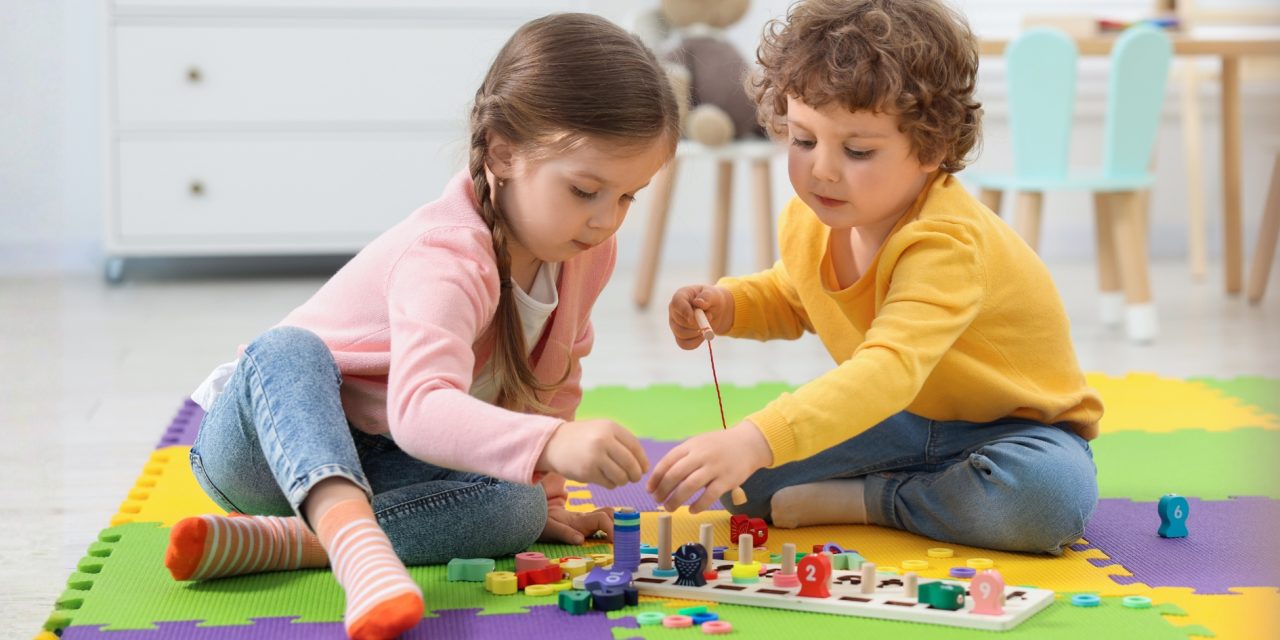
Math has a reputation problem. The moment worksheets appear, enthusiasm mysteriously disappears. But switch the format to a game, and suddenly the same concepts feel like a challenge worth winning.
This is where simple, play-based math activities come in. With just a few household items and a bit of structure, you can turn core math skills into something kids actually look forward to. These games focus on real understanding—fractions, patterns, logic—without ever feeling like formal lessons.
Hands-On Games That Build Real Skills
The strength of these games is how quickly they move from setup to play. Most take under five minutes to prepare and use items you already have at home. The goal is simple: keep kids engaged while quietly reinforcing important concepts.
Here are a few standout examples:
- Fraction Pizza
Use paper plates divided into slices to represent fractions. Kids trade pieces to complete a full “pizza,” explaining matches like two-sixths equals one-third. This builds visual fraction understanding without memorization. - Pattern Block Puzzles
Print or draw simple shapes and fill them using colored paper or blocks. Kids rotate and flip pieces to complete designs, strengthening spatial reasoning and symmetry skills. - Number Rods Game
Create number strips using paper or straws. Players combine them to form totals like 10 or solve simple equations. It’s a fast-paced way to practice addition and number bonds. - Tangram Challenges
Cut a square into classic tangram pieces and form different shapes. Kids experiment through trial and error, building geometry intuition and problem-solving skills.
Each game keeps rules clear and goals simple, so the focus stays on thinking rather than instructions.
Turning Everyday Play Into Learning Moments
What makes these games effective is not just the activity itself, but how they fit into daily routines. They work just as well after school as they do during a relaxed weekend afternoon.
More examples that bring math into real-life play:
- Base 10 Place Value War
Create number cards and compare values based on hundreds, tens, and ones. Kids quickly learn how numbers stack up through friendly competition. - Probability Jar
Fill a jar with colored items and predict outcomes before drawing. This introduces probability in a hands-on, visual way that feels like a guessing game. - Measurement Scavenger Hunt
Use non-standard units like hand spans or paper clips to measure objects around the house. Kids compare results and refine their estimates through movement and exploration.
These activities do more than teach math. They build confidence, encourage curiosity, and create moments where learning feels natural instead of forced.
Conclusion
When math feels like play, everything changes. Kids engage longer, think more freely, and build skills without the pressure that often comes with traditional methods.
By using simple materials and clear goals, these games turn everyday moments into opportunities for growth. Over time, those small moments add up, shaping both understanding and confidence in a lasting way.
What’s a simple game your child already loves that could secretly double as a math moment?
Share your ideas in the comments and keep turning everyday play into powerful learning with Marvelus Kids, where fun and growth go hand in hand.