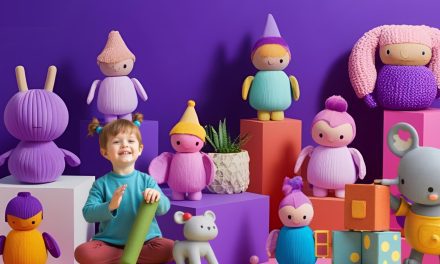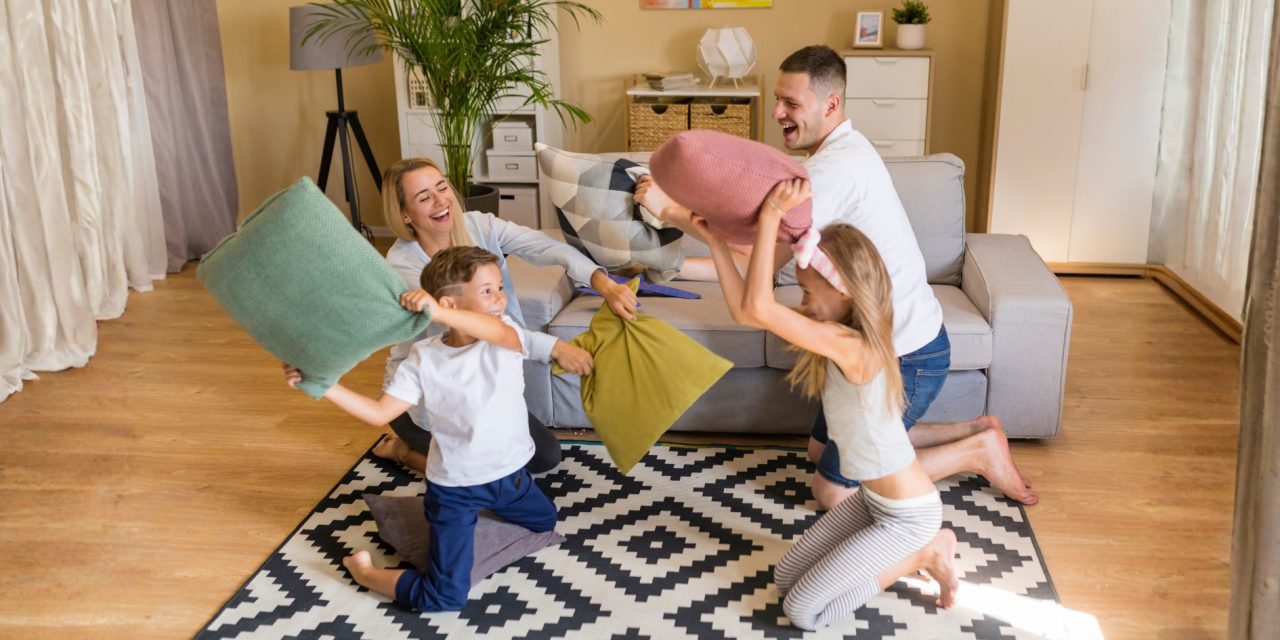
Some days, the outdoors just is not an option—but the energy levels in your house clearly did not get that memo. When kids are bouncing off the walls, you need something that works fast and keeps working beyond one round.
That is where active indoor games come in. With a simple setup and a bit of structure, you can turn everyday spaces into movement zones that feel just as exciting as a playground—without needing special equipment or constant supervision.
Active Indoor Games That Actually Burn Energy
Indoor movement does not have to feel like a compromise. The right setup can keep kids engaged for 30 to 45 minutes while building coordination, balance, and confidence.
A quick living room circuit using pillows, chairs, and soft toys can match the energy of outdoor play surprisingly well. These setups are flexible, easy to repeat, and simple to adjust depending on age or space.
Start by clearing a safe play area—living room, hallway, or even a bedroom corner works. Then gather a few basics: cushions, tape, baskets, and anything soft that can double as a prop. Adding a timer instantly boosts excitement, giving kids a sense of challenge and rhythm.
The key is rotation. When games change slightly each time, kids stay curious and engaged instead of losing interest after one round.
Obstacle Courses That Keep Them Moving
One of the most effective setups is a simple obstacle course. It turns movement into a mini adventure, where each station feels like a new challenge rather than repetitive exercise.
Using about 8–10 household items, you can create a full circuit that flows easily from one activity to the next. Each station only needs about 30 seconds, which keeps the pace high and the energy focused.
Here is a sample setup that works well for ages 3–10:
- Tape balance beam: Walk heel-to-toe along a taped line while holding arms out—or a soft toy for extra challenge.
- Chair tunnel crawl: Drape a blanket over chairs and crawl through without touching the sides.
- Laundry basket toss: Toss socks or soft balls into a basket from a short distance.
- Spoon-and-egg race: Balance a small object on a spoon while walking to the next station.
- Jump zone: Hop in and out of a hoop or marked space ten times.
- Limbo stretch: Bend under a low bar or stick without touching it.
- Soft bowling: Roll a ball to knock down lined-up stuffed animals.
- Freeze dance finish: Dance freely, then freeze when the timer goes off.
Numbering stations helps kids follow the flow without confusion, and timing each run adds just enough challenge to keep them motivated.
Keeping It Fresh and Age-Appropriate
The real magic is in how easily these games adapt. Younger kids benefit from shorter paths and simpler movements, while older ones enjoy added challenges like relays, speed rounds, or themed courses.
Themes can completely change the experience without changing the setup. One day it is a jungle mission, the next it is a space adventure. That small shift keeps the activity feeling new.
Parents often notice that when kids are part of setting up the course, they stay engaged longer. It turns playtime into something they help create, not just something they are told to do.
Wrap Up
Active indoor games are more than just a backup plan—they are a reliable way to channel energy, encourage movement, and bring a bit of structure to busy days at home.
With a simple setup and a few creative tweaks, your space becomes a place where kids can move freely, reset their energy, and actually enjoy being indoors.
What kind of indoor game keeps your kids moving the longest—structured obstacle courses or free-flow movement games?
Let us know in the comments, and keep discovering fun, practical play ideas only at Marvelus Kids!