To kids, playtime simply feels like fun. But behind every tower of blocks, pretend kitchen game, or puzzle challenge, something much bigger is happening—learning. Play is one of the most powerful ways children explore the world, test ideas, and build confidence.
Experts in child development have long emphasized the importance of play-based learning. Researchers such as Lev Vygotsky and educators inspired by Maria Montessori showed that meaningful play helps children develop cognitive, social, and emotional skills.
By understanding a few simple principles, parents can transform everyday play into powerful learning moments. Instead of just keeping kids entertained, the right toys and activities encourage creativity, curiosity, and resilience.
The 7 Core Principles of Play-Based Learning
Understanding these seven principles can help parents create play environments that encourage discovery and growth.
1. Child-Led Play
Children learn best when they are free to explore at their own pace. This idea comes from Lev Vygotsky’s concept of the Zone of Proximal Development, where children grow through activities that challenge but do not overwhelm them.
Open-ended toys like wooden blocks or magnetic tiles allow kids to experiment and develop independence.
2. Open-Ended Toys
Toys that can be used in many different ways encourage creativity. Unlike toys with a single function, open-ended materials let children invent their own stories and solutions.
Examples include:
- building blocks
- LEGO sets
- playdough
- art supplies
These toys support imaginative play and flexible thinking.
3. Sensory-Rich Materials
Hands-on exploration plays an important role in early learning. Montessori-inspired environments emphasize materials children can touch, move, and manipulate.
Activities like sand play, water tables, or sensory bins allow kids to explore textures while developing fine motor skills.
4. Safe Risk-Taking
Children grow more confident when they are allowed to try challenging activities within safe limits.
Outdoor play equipment such as climbing structures, swings, or balance bikes encourages kids to test their abilities and build resilience.
Learning to try, fail, and try again is an important part of development.
5. Social Interaction
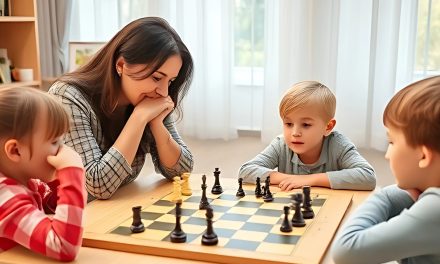
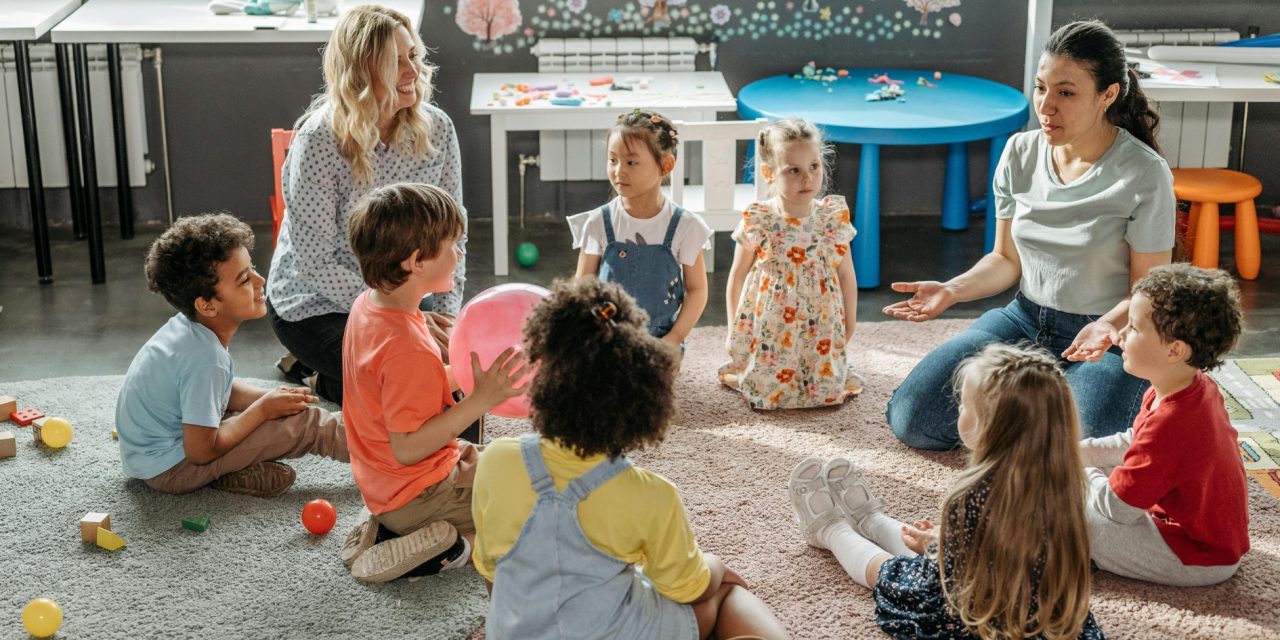
Play also teaches children how to interact with others. Group games, role-playing activities, and pretend scenarios help children practice sharing, cooperation, and empathy.
Psychologist Erik Erikson emphasized the importance of social experiences in shaping emotional development.
Activities like dollhouse play, board games, or team building challenges can strengthen these skills.
6. Gentle Adult Guidance
Adults play an important role in supporting play—but not controlling it.
Instead of directing every step, parents can gently guide children by offering ideas, asking questions, or introducing new materials.
Pretend play sets such as toy kitchens or building kits often work well with this balanced approach.
7. Reflective Conversation
After playtime, talking about what children created or discovered helps reinforce learning.
Simple questions like:
- “What did you build?”
- “How did you solve that problem?”
- “What will you try next time?”
These conversations strengthen language skills and encourage children to think about their own learning process.
Daily Play Schedule Template
A simple daily rhythm can help balance different types of play and learning throughout the day.
| Time Slot | Activity Type | Toy Examples | Focus |
| Morning (30 min) | Guided play | Shape sorters, counting toys | Cognitive skills |
| Mid-morning (60 min) | Free child-led play | Building blocks, pretend play sets | Imagination |
| Afternoon (30 min) | Social or sensory | Board games, sensory bins | Social skills |
| Late afternoon (60 min) | Outdoor play | Bikes, balls, climbing toys | Gross motor |
| Evening (30 min) | Quiet play | Puzzles, stuffed animals | Emotional calm |
This schedule adds up to roughly three hours of mixed play each day, combining structured guidance with free exploration.
Conclusion
Play-based learning shows that children do not need complicated lessons to grow and develop important skills. Often, the most meaningful learning happens when kids are building, imagining, experimenting, and interacting with others during play.
By understanding the principles behind play-based learning, parents can create environments that support curiosity, creativity, and confidence. With the right balance of freedom, guidance, and engaging toys, everyday play becomes an opportunity for lifelong learning.
Have you ever noticed how much kids learn simply by playing? Explore more parenting tips, toy ideas, and fun learning activities at Marvelus Kids.