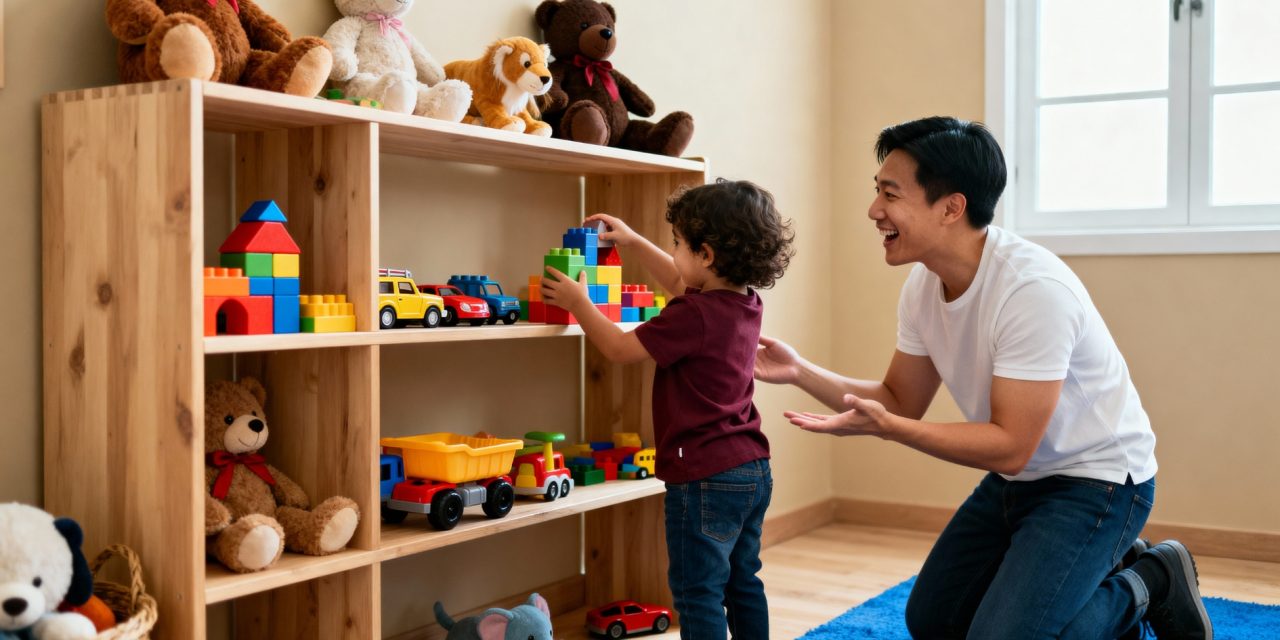
Toy rotation sounds simple until you open a cupboard and get mildly attacked by a plastic dinosaur and a missing puzzle piece. Most homes don’t lack toys—they lack clarity.
Before toy rotation systems, labeled bins, or Pinterest-worthy shelves, there’s one unglamorous but powerful step: figuring out what should even stay. A focused toy audit clears mental clutter for parents and overstimulation for kids, setting the stage for calmer, more imaginative play.
Assess Your Toy Collection with a Simple Toy Audit
Start with a focused 60-minute toy audit using a kid-friendly version of the KonMari method. The goal is not perfection, but intention. Studies and parenting surveys consistently show that families often keep nearly twice as many toys as children actively engage with, which quietly fuels boredom rather than creativity.
Begin by placing every toy into one large pile in a shared space. Yes, it looks chaotic, but clarity usually starts there. Involve your child by asking which toys they truly enjoy or learn from during playtime. Use a straightforward Keep, Donate, or Trash system to make decisions quickly and avoid second-guessing.
Aim to keep around 20 to 30 toys that align with your toy rotation strategy. Parents who complete this step often report less overstimulation and more focused play within days. This audit becomes the backbone of a clutter-free playroom and a sustainable rotation system that actually works.
Sort by Age Appropriateness and Condition
Once you’ve narrowed things down, sort toys through three practical lenses: age relevance, condition, and learning value. Free age-appropriateness charts from organizations like the American Academy of Pediatrics can help identify toys your child has already outgrown.
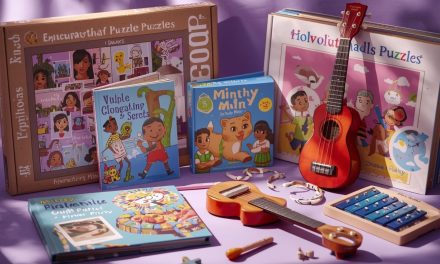
Group toys by age range, such as sensory toys for infants, stackers for toddlers, and puzzles or role-play items for preschoolers. Then check the condition carefully. Toys should be complete, functional, and free from broken parts or safety concerns.
Finally, evaluate educational value. Strong keepers encourage skills like counting, color recognition, problem-solving, or imaginative storytelling. Many toys naturally fail these checks, which makes letting go easier. What remains are high-quality options that rotate well, reduce toy fatigue, and keep play feeling fresh instead of overwhelming.
Conclusion
A thoughtful toy audit isn’t about owning less for the sake of it. It’s about creating space for deeper play, longer attention spans, and fewer cleanup battles. When toys are chosen with intention and rotated with purpose, children engage more fully and parents regain a sense of calm. This first step transforms toy rotation from a theory into a system that supports real family life.
Have you ever noticed your child ignoring a room full of toys but fully focusing on just one? Marvelus Kids helps parents build toy rotation systems that cut clutter, boost engagement, and make playtime feel exciting again.