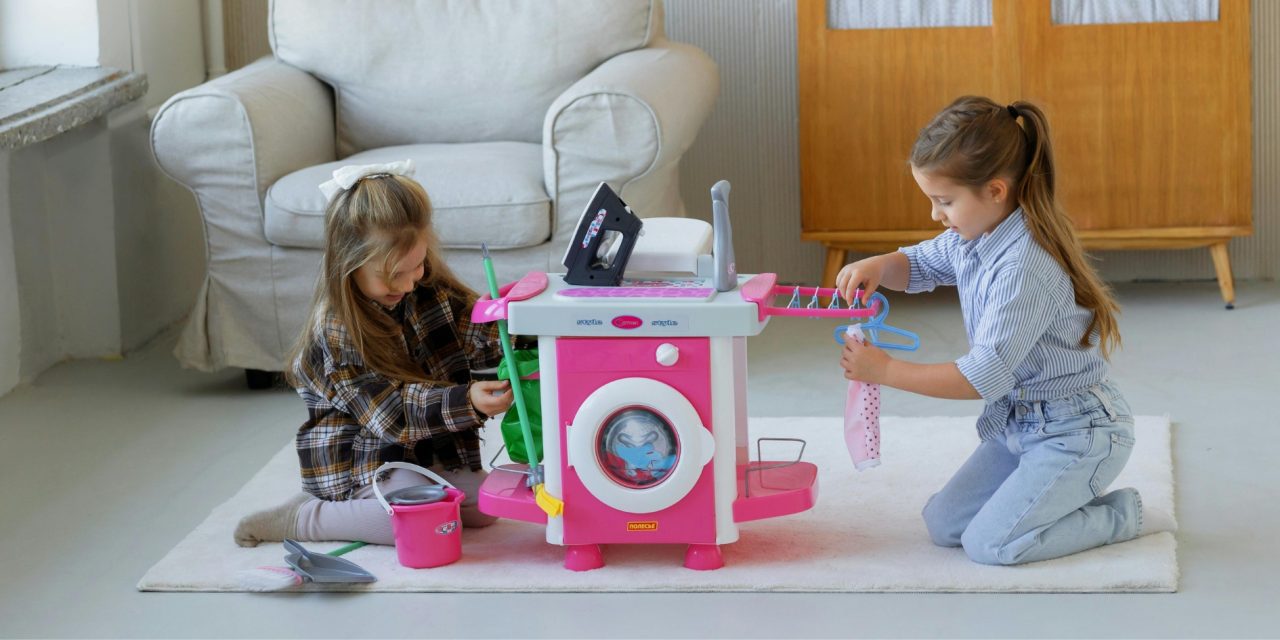
Imagine a quiet afternoon where your kids are fully absorbed—not scrolling, not tapping, just building, pretending, and laughing. No charging cables required. In a world designed to keep little eyes glued to glowing rectangles, screen-free toys feel almost rebellious. Yet child development experts keep pointing back to the same truth: hands-on play still does the heavy lifting when it comes to learning, creativity, and focus.
This article explores why screen-free toys matter, how they support early brain development, and which types quietly do the most work behind the scenes.
Why Screen-Free Toys Matter
Screen-free toys offer an essential counterbalance to today’s app-saturated childhood. Instead of passive consumption, they invite children to participate, experiment, and make decisions. That difference matters more than it sounds.
Research referenced by child development experts, including guidance aligned with Harvard’s Center on the Developing Child, shows that active play strengthens neural connections more effectively than screen-based interaction. This is especially important during early childhood, when the brain’s neuroplasticity is at its peak. Pediatric guidelines recommending limited screen time for young children reinforce the need for meaningful, hands-on alternatives.
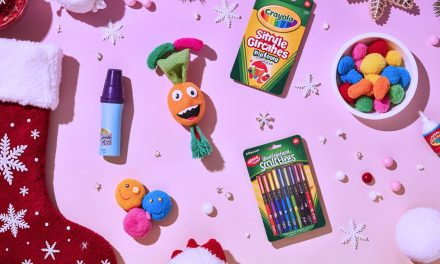
Toys like wooden blocks, puzzles, and sensory bins encourage exploration without overstimulation. Parents often notice longer attention spans, deeper focus, and more joyful play when screens step aside. Even better, unplugged play tends to invite shared moments, strengthening family bonds through simple, collaborative experiences.
How Hands-On Play Supports Brain Development
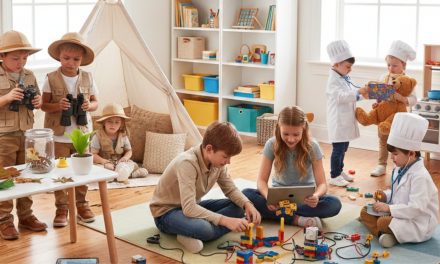
Hands-on toys support brain development by engaging multiple senses at once. When children stack blocks, thread beads, or manipulate shapes, they strengthen fine motor skills and hand-eye coordination through repeated, intentional movement.
Spatial reasoning develops naturally through puzzles and magnetic tiles as children rotate, compare, and problem-solve in real time. These activities introduce early math and geometry concepts without formal instruction. Open-ended toys are especially effective because they allow kids to explore outcomes rather than follow fixed rules.
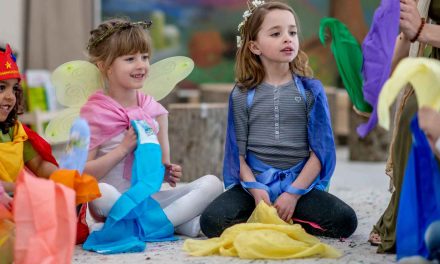
Pretend play also plays a powerful role. Dollhouses, toy kitchens, and role-play sets help children expand vocabulary, practice storytelling, and process emotions. Cooperative play encourages turn-taking and sharing, supporting emotional regulation alongside cognitive growth. Together, these experiences build a strong foundation that screens simply cannot replicate.
Conclusion
Screen-free toys don’t compete with technology by being louder or flashier. They win by being deeper. Through hands-on exploration, imaginative play, and real-world problem-solving, these toys quietly shape how children think, focus, and connect. In a culture that rewards constant stimulation, unplugged play offers something rare and valuable: space for curiosity to grow at its own pace.
What kinds of toys actually keep your child engaged long after the novelty wears off? Marvelus Kids helps parents discover screen-free toys that spark curiosity, build skills, and turn everyday play into meaningful growth.