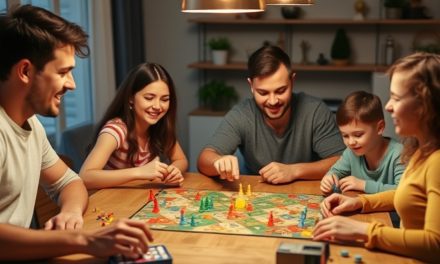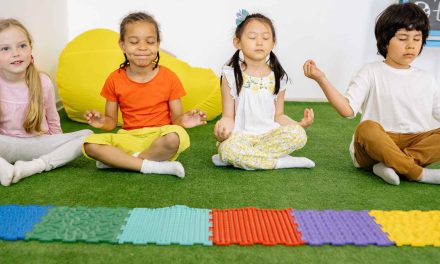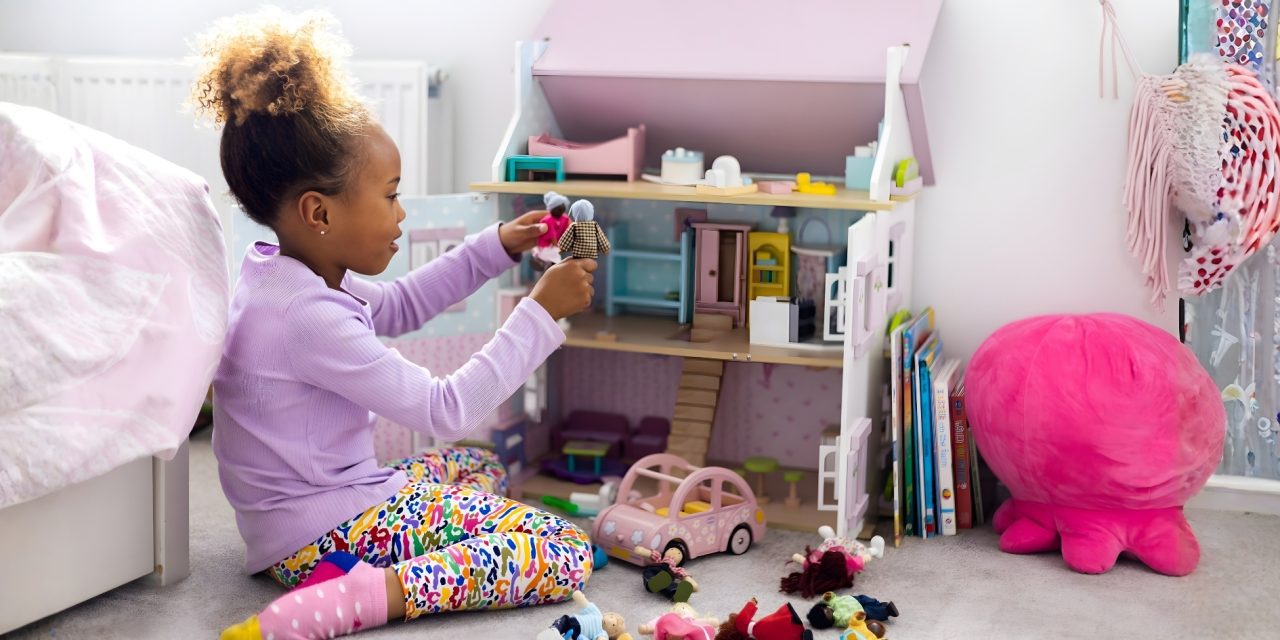
Between screen negotiations, background noise, and toys that seem powered by chaos, parents are quietly craving one thing: calm. Quiet toys like magnetic tiles, nesting dolls, and peg boards offer screen-free play that actually holds a child’s attention—without flashing lights or sound effects competing for dominance.
The American Academy of Pediatrics recommends no screens for children under two, and limited use beyond that. Quiet toys make that guidance realistic, not aspirational. They give parents something dependable during busy days, travel moments, or evenings when everyone’s nervous system needs a break.
Focus, Learning, and the Power of Screen-Free Play
Quiet toys support cognitive development through hands-on play that builds attention and problem-solving skills. Research consistently shows that screen-free activities help children sustain focus longer than digital play. Parents notice this immediately when stacking toys or shape sorters keep kids engaged well past the usual five-minute mark.
These toys also invite creativity without pressure. Activities like kinetic sand, color sorting, and memory matching encourage experimentation rather than instant rewards. Children think, test, and adjust at their own pace, which strengthens independent thinking and confidence.
Fine motor skills benefit as well. Threading beads, peg boards, and nesting toys improve hand-eye coordination and finger control—skills that quietly support writing, dressing, and everyday independence later on.
Emotional Regulation and Calmer Daily Routines
Non-noisy play creates space for emotional regulation. Low-stimulation activities teach patience, turn-taking, and self-control without lectures or timers. Experts often recommend these toys for helping children manage big feelings in a gentler way.
Quiet play also supports smoother transitions. Using stacking toys, felt boards, or quiet books before bedtime helps children wind down naturally. Many parents report fewer power struggles and easier evenings when calm play becomes part of the routine.
As one parent shared, “My toddler finally sits still for twenty minutes with nesting dolls—no screens, no noise, no meltdown.” Those moments add up, reducing daily stress and strengthening family connection through shared, peaceful play.
Conclusion
Quiet toys aren’t about limiting fun. They’re about creating balance in a world that rarely slows down. By choosing screen-free, low-noise play, families support focus, emotional growth, and calmer routines—without turning playtime into a battle.
Small changes in toy choices can reshape how children learn, rest, and connect, making everyday life feel a little more manageable for everyone.
How often do we choose toys for noise and novelty instead of long-term engagement? Marvelus Kids highlights intentional play choices that bring more calm and clarity to family life.