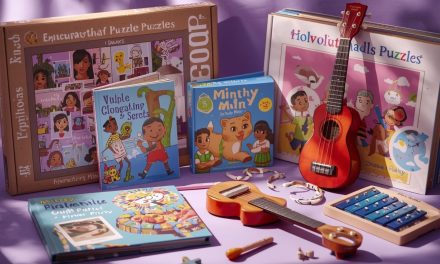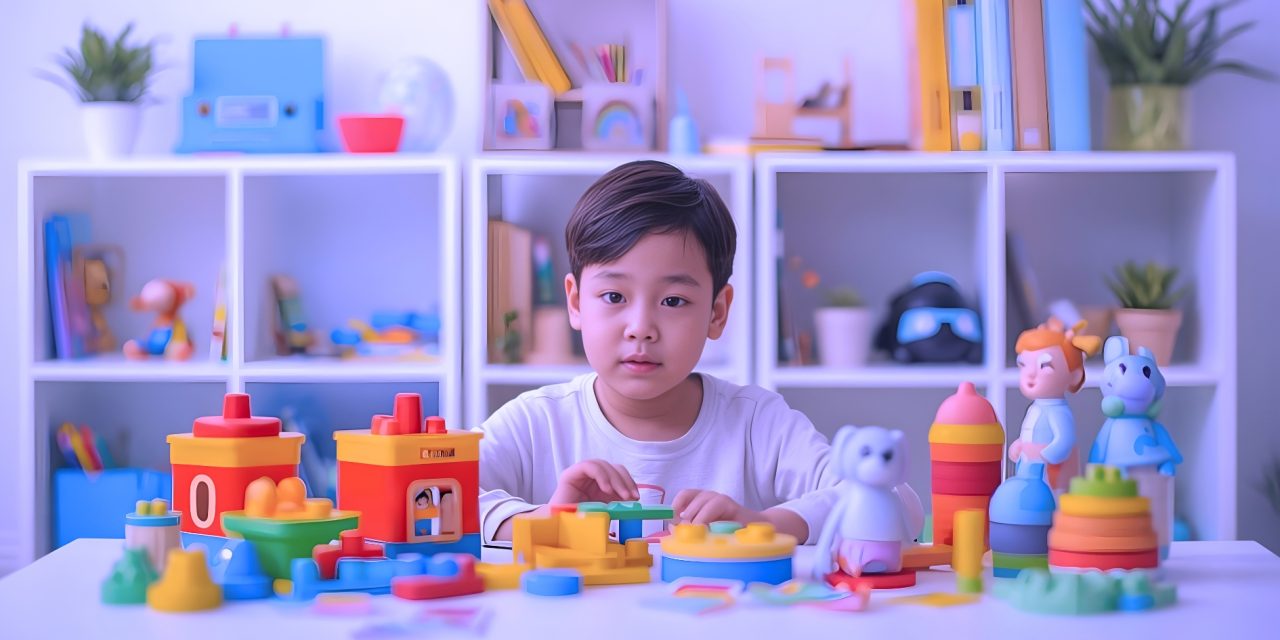
Parents know a universal truth: after-school hours can stretch endlessly when kids burst through the door looking for something exciting to do. The right toys help channel that energy into creativity, learning, and calm playtime—but the price tags can sneak up faster than a toddler with markers.
Building a toy budget isn’t about restricting fun. It’s about choosing items that last, support development, and save you from those “Why did I buy this again?” moments. A thoughtful plan keeps spending steady and ensures every new toy earns its keep.
Categorizing Your Toy Budget
A clear and simple system helps parents avoid impulse purchases that don’t fit long-term goals. Start by dividing toys into categories like building sets, art materials, and STEM kits. This structure prevents random browsing from becoming unnecessary spending, especially during sale seasons.
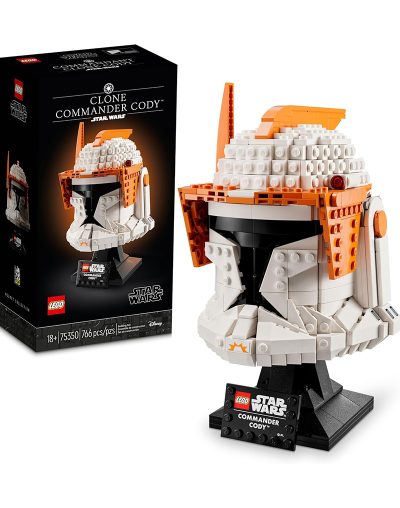
For building toys, an allocation between $30 and $50 usually provides access to quality options like LEGO and Magformers. These sets offer long-term use, encourage problem-solving, and survive rough handling. For art supplies, aim for $15 to $50, depending on whether you’re buying a starter kit or a more advanced collection. Paints, markers, and sketchbooks disappear quickly, so it helps to balance price with durability.
STEM toys, such as littleBits or Snap Circuits, generally fall between $25 and $60. These kits support hands-on experimentation and keep kids engaged longer than novelty toys. Creating these spending brackets helps you stay consistent month after month while still giving your child a variety of learning experiences.
Balancing Quality and Value
Parents often struggle with choosing between trendy toys and reliable favorites. Quality should always guide the decision, because durable toys stay useful long after the excitement fades. Well-made kits reduce waste and save money by replacing constant repurchases with longer lifespans.
Evaluate educational value as carefully as the brand. A well-designed toy should strengthen a child’s motor skills, creativity, or critical thinking. Sometimes a mid-priced option outperforms premium brands simply because it offers more meaningful interaction.
Balancing affordability with learning benefits ensures that every dollar supports your child’s growth instead of cluttering your home with forgotten gadgets.
Conclusion
A thoughtful toy budget creates smoother after-school routines and ensures your money supports learning rather than impulse buying. Categorizing spending, focusing on quality, and choosing toys with real developmental benefits keeps your child’s playtime meaningful and your wallet steady. With the right approach, parents can build a collection that grows with their child and delivers value long after the school day ends.
What’s one after-school toy category you’d love to manage better this year? Explore smart budgeting ideas and parent-friendly play solutions at Marvelus Kids.