Ever tried buying a “perfect” after-school toy only for your child to abandon it in five minutes? It’s a universal parenting plot twist. The secret isn’t always buying the right toy — sometimes it’s letting kids help decide what lands in the shopping cart.
When children get a real say, they invest more interest, more creativity, and occasionally more mess (but good mess). This guide breaks down how involving kids in toy selection boosts engagement, helps with decision-making, and turns after-school time into a smoother, happier experience.
Understanding Their Interests
Kids make better choices when they feel heard, and after-school toy selection is no exception. Start with a light conversation about what excites them lately. Maybe it’s dinosaurs, puzzles, cooking sets, robots, pretend-play adventures, or that animated series you’ve watched 400 times. Whatever their current obsession is, it’s your gateway.
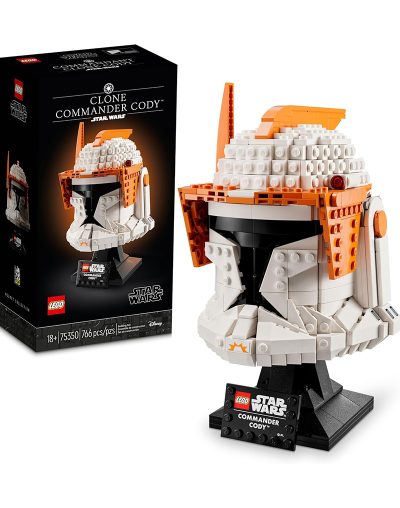
Once you have a clearer sense of their interests, put together a curated list of 5–10 toys that align with those themes. This prevents impulse choices (“I want the giant sparkly unicorn that talks!”) but still gives them real ownership. For example, if your child loves building, offer options like magnetic tiles, beginner robotics kits, or themed construction sets.
Limiting the selection while still offering variety helps kids practice choice-making without getting overwhelmed. And when the toy feels connected to their personal interests, they’re far more likely to keep playing with it long after the novelty wears off.
Letting Them Choose — and Review
Once you present the shortlist, step aside and let your child pick their favorite toys. This sense of independence is meaningful; it boosts confidence and helps them understand that their tastes matter. It also increases the chances they’ll actually use the toys during after-school downtime rather than circling back to screen time.
After they’ve played for a few days, invite them to “review” their choices — with simple questions like:
What did you like? What would you change? Was it fun to use alone or with friends?
This turns a casual activity into a small learning moment in decision-making, reflection, and communication. Plus, it gives you valuable insight for future toy purchases, so you avoid buying things that collect dust.
The cycle of choosing, playing, and giving feedback also teaches them to think critically about their preferences. Over time, they’ll become more thoughtful about what they pick — and more engaged with what they have.
Conclusion
Involving kids in choosing their after-school toys isn’t just a fun activity; it’s a subtle way to teach autonomy, decision-making, and communication. When children feel genuinely included, they show more excitement, more engagement, and more willingness to explore the toys they select. And the bonus? You end up buying things they’ll actually use — a win for your home, your wallet, and your sanity.
What choices would your child make if they felt fully included in picking their after-school toys? Continue exploring playful ways to engage young minds at Marvelus Kids, where creativity and curiosity always come first.