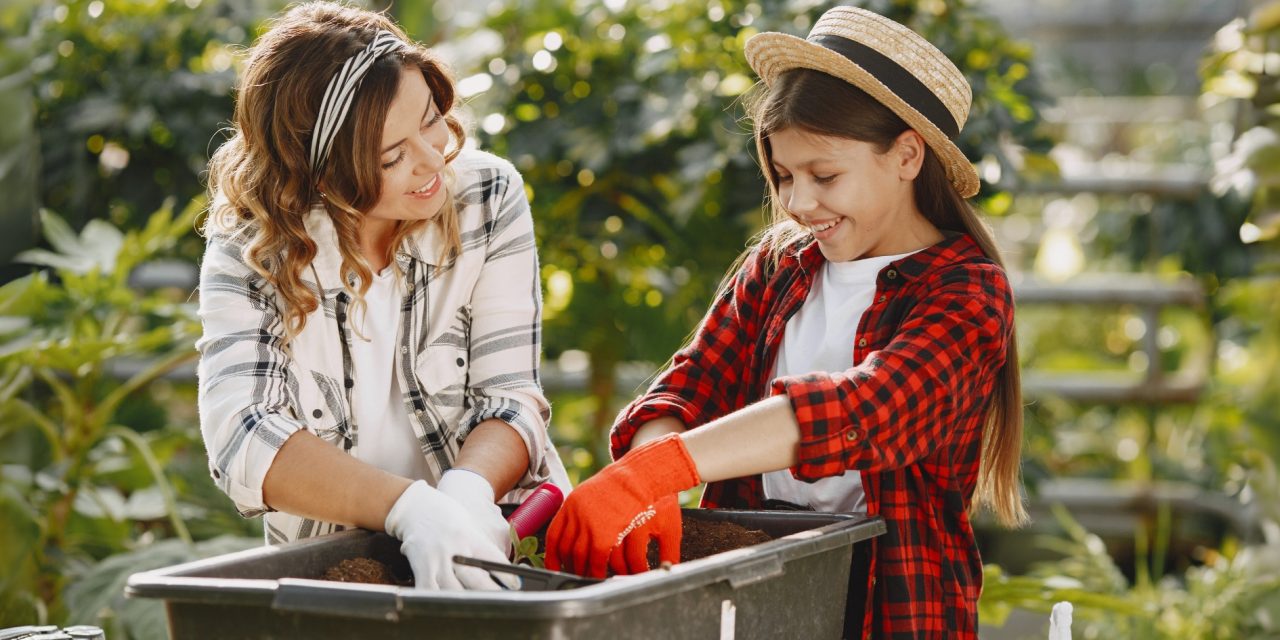
If you’ve ever tried to convince a child that pulling weeds is “fun,” you know it can be a tricky sell. But what if gardening wasn’t just a weekend activity, but a daily adventure?
Kids are naturally curious and love getting their hands dirty—sometimes literally—so with the right approach, your backyard, windowsill, or balcony can become their favorite “classroom.” Gardening helps children develop responsibility, patience, and a genuine connection to nature, all while getting fresh air and exercise.
1. Make Gardening a Daily Habit
Consistency is key when introducing gardening to children. Designate a specific time each day—such as right after breakfast or before bedtime—to check on the plants.
This helps kids develop a sense of routine and ownership over their little patch of greenery. Even five to ten minutes a day can make a big difference in keeping them engaged.
2. Let Kids Plan and Choose Plants
Involving children in the planning process gives them a sense of pride and responsibility. Let them select the flowers, vegetables, or herbs they want to grow. Discuss the growing needs of each plant so they understand the choices they’re making. This not only sparks excitement but also teaches them about seasons, climate, and biodiversity.
3. Add Creative and Colorful Elements
Kids love color and creativity. Encourage them to paint their own plant markers, decorate pots, or even name their plants.
Providing child-sized gardening tools makes the experience more comfortable and fun. You can also set up a “garden art corner.” Here, they can add little gnome statues, painted stones, or wind chimes to personalize the space.
4. Teach Responsibility Through Daily Care
Checking the garden every day teaches kids the importance of consistent care. Assign age-appropriate tasks—watering, loosening soil, or removing wilted leaves. When plants grow and eventually produce flowers or vegetables, children see the results of their efforts firsthand, reinforcing the value of patience and perseverance.
5. Celebrate the Harvest
Turn harvest time into a family celebration. Use the vegetables and herbs in meals, let kids arrange flowers in vases, or even share the bounty with neighbors. You can create a “harvest day” chart where kids track what they’ve picked and how it’s used. This makes gardening feel rewarding and reinforces healthy eating habits.
Conclusion
Gardening doesn’t have to be a grand undertaking—it’s the small, daily actions that make it a meaningful part of your child’s life.
By giving them choices, adding creative touches, and celebrating their efforts, you help them form a lasting connection with nature. Start with one small gardening task this week, and see where your child’s curiosity takes you. Small, consistent efforts can have a big impact on their growth, both as gardeners and as individuals.
What if your child’s next big adventure was waiting right in your backyard? At Marvelus Kids, we share creative ways to make activities like gardening a joyful and educational part of everyday life — start exploring today!