The next great leap in education isn’t digital—it’s imaginative. From dinner tables to classrooms, storytelling dice and role-playing games are quietly reshaping how children learn, communicate, and think creatively. What once seemed like a playful pastime has now become a respected tool for developing key cognitive and social-emotional skills.
Parents and educators alike are discovering that these games offer more than just entertainment. They spark storytelling, build confidence, and nurture empathy. Most importantly, they create space for connection—whether it’s between a child and caregiver or among a group of students collaborating in class. So how are families and teachers bringing these imaginative tools into everyday learning?
Classrooms Come Alive with Collaborative Learning
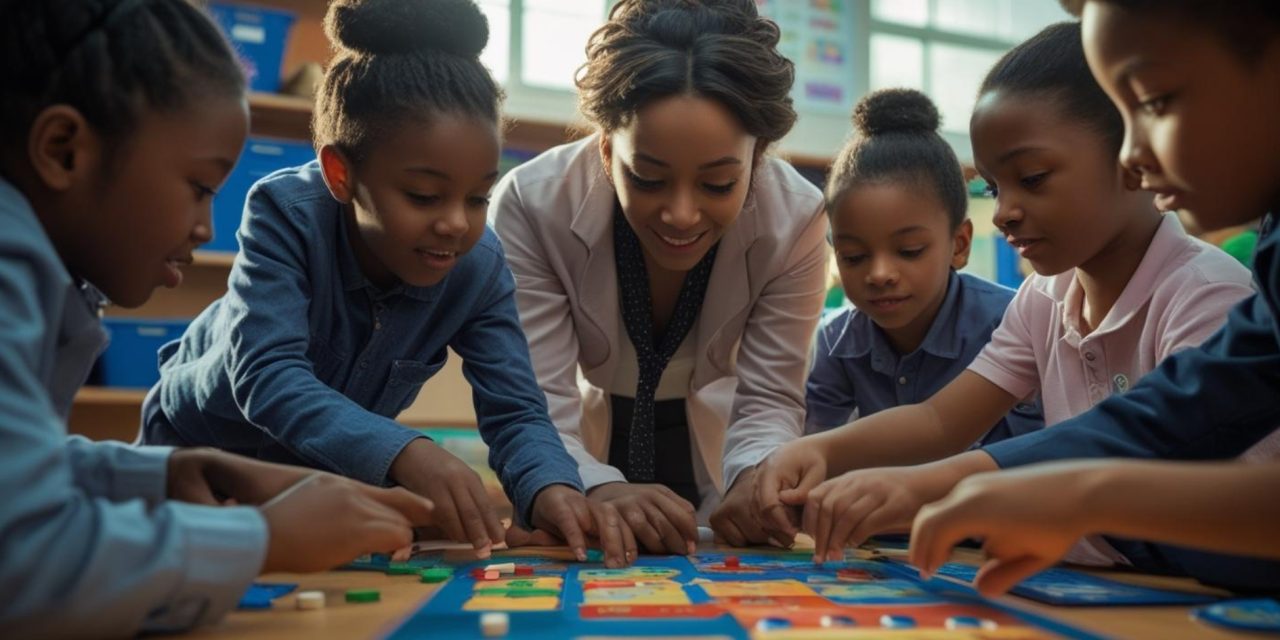
In educational settings, teachers are finding new and imaginative ways to make learning more student-centered. Language arts lessons become dynamic when students build group stories from randomized prompts. This doesn’t just help with writing structure. It boosts public speaking skills, teamwork, and empathy.
History classes, for example, have transformed into performance spaces. Students take on roles from the past, using dice rolls to shape plot twists that mimic real-world challenges. This method deepens historical understanding and makes the content personally meaningful.
Science teachers are also embracing role-playing by having students act as parts of ecosystems—pollinators, predators, weather patterns—and respond to changing environments. Suddenly, textbook concepts become lived experiences.
From Dice Rolls to Discovery: Real-World Impact
When used intentionally, storytelling games offer endless flexibility. A teacher can align them with curriculum goals, while parents can adapt them to suit their child’s mood or learning style. They’re low-cost, low-tech, and yet incredibly high-impact.
Perhaps best of all, these games foster resilience. There’s no single right answer, and that freedom teaches kids to adapt, collaborate, and think outside the box.
Conclusion
Storytelling games may seem like small tools, but they open doors to enormous growth. They encourage meaningful conversations, active problem-solving, and a deeper love for learning—whether you’re around the kitchen table or in a buzzing classroom.
By integrating these playful, story-based tools into daily routines, both educators and parents are shaping not only smarter kids but also more thoughtful and imaginative ones.
What unexpected story did your child or student come up with this week? Visit Marvelus Kids for more tools, inspiration, and imaginative resources to help bring storytelling into everyday learning.